Industrial Pump Repair Canada - Pump and Seal Repair and Replacement Services
ISO 9001 Certified
Industrial Pump Repair Canada - Pump and Seal Repair and Replacement Services
ISO 9001 Certified
Efficient water management is crucial in today’s world. Water scarcity affects millions globally. The right water pumping systems can make a significant difference. These systems optimize water usage and ensure sustainability. They have become essential in agricultural, industrial, and municipal applications.
Understanding the best options available is vital. Not all water pumping systems fit every need. Each application requires a tailored solution. For instance, some systems excel in creating pressure, while others focus on volume. Choosing the wrong system can lead to inefficiencies and waste. Proper assessment is necessary to avoid costly mistakes.
In exploring top water pumping systems, we must consider multiple factors. Reliability, energy efficiency, and maintenance are just a few. Industry experts consistently focus on these elements for better management outcomes. Effective systems improve water accessibility and reduce operational costs. The benefits span across environmental and economic realms. However, continuous evaluation is key to enhancing these solutions over time.
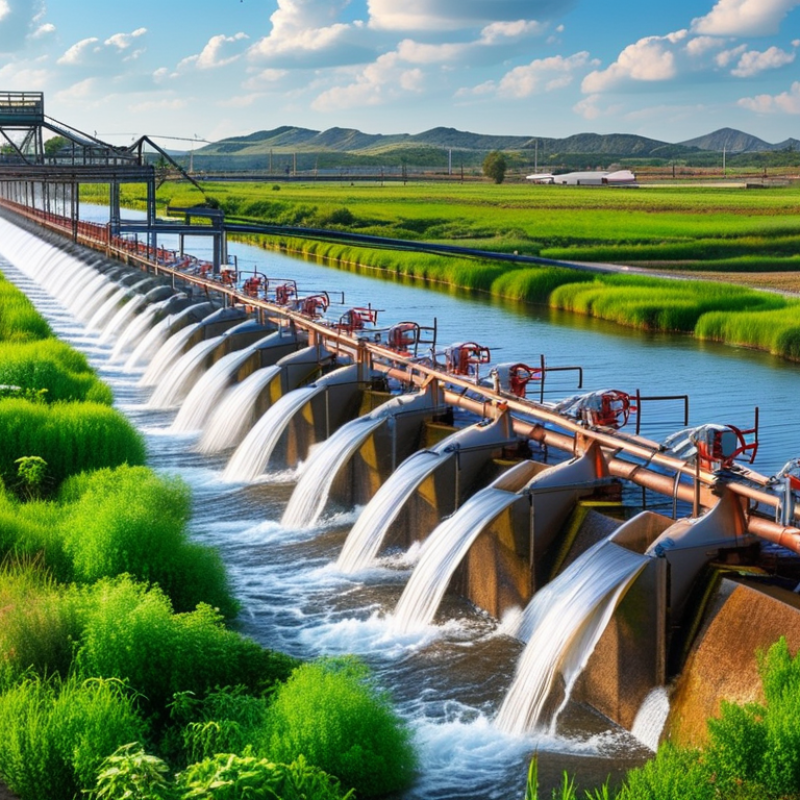
Efficient water management relies heavily on advanced pumping systems. These systems ensure optimal water distribution, reduce waste, and enhance overall productivity. According to recent industry reports, up to 30% of water is wasted due to inefficient systems. This highlights the need for innovative solutions in water management.
Modern pumping systems utilize smart technology to optimize performance. For example, variable frequency drives (VFDs) can adjust pumping speeds based on real-time demand. This adaptability leads to energy savings of up to 50%. Notably, a study from the American Society of Civil Engineers emphasized that adopting such technologies could save billions annually.
Yet, challenges persist. Many existing systems are outdated. A significant portion lacks proper maintenance. Regular inspections can drastically improve efficiency. Furthermore, the integration of renewable energy sources into pumping systems is still in its infancy. Striking a balance between efficiency and sustainability remains a key area for growth in water management practices.
Water pumping systems play a crucial role in efficient water management. They are essential in agriculture, municipal water supply, and industrial applications. According to the Water Environment Federation, effective water pumping can improve efficiency by up to 30% in various sectors. Understanding different types of pumping systems can optimize water usage and conserve resources.
Positive displacement pumps are one common type. They move water by trapping a fixed volume and forcing it through the discharge. These pumps are ideal for high-viscosity fluids. Centrifugal pumps are another widely used type. They use rotational energy to move water, making them perfect for applications requiring high flow rates. Data from the American Society of Civil Engineers suggests that implementing efficient pumps can reduce energy costs significantly over time.
Tips: Regular maintenance is crucial. It extends the life of these pumps and enhances their performance. Monitor energy consumption closely to identify inefficiencies. Additionally, evaluate your system's design to ensure it meets current needs. Inefficient systems can lead to excessive energy use and increased operational costs.
Lastly, the selection of water pumps should match specific needs. Consider pump efficiency curves and operating conditions. This careful selection can lead to operational improvements, reducing stress on the overall system. Regular audits can pinpoint areas for enhancement.
When considering efficient water pumping systems, several factors come into play. The design of the system significantly impacts its performance. A well-designed pump should match the specific needs of the application. If the pump size is not appropriate, it may lead to energy wastage. Matching pump capacity to flow requirements is crucial for optimal efficiency.
Another key factor is the type of pump used. Each pump design has unique advantages and disadvantages. Centrifugal pumps are common for their simplicity, yet they may struggle with high-viscosity fluids. Positive displacement pumps, on the other hand, can manage thicker fluids effectively. Understanding the fluid dynamics involved is essential for system longevity and efficiency.
Also, regular maintenance cannot be overlooked. Over time, components can wear out, leading to decreased performance. Issues like cavitation or blockage can arise without proper care. Monitoring system performance and environmental conditions helps in identifying problems early. Such proactive measures ensure that the water management solution remains effective.
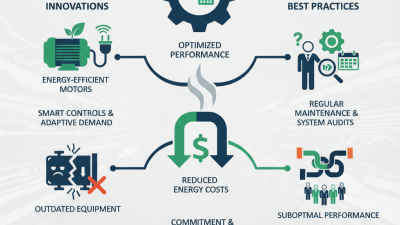
Efficient water management is crucial in today's resource-constrained environment. Advanced technologies in water pumping systems play a significant role in improving efficiency. According to the International Water Association, energy consumption in water pumping can account for up to 40% of operational costs. Utilizing variable frequency drives (VFDs) can adjust motor speed based on demand, significantly reducing energy usage. Some studies show that proper installation of VFDs can lead to up to 50% energy savings.
Integrating smart sensors is another promising technology in water pumping. These sensors monitor water levels and flow rates, allowing for real-time adjustments. By enhancing responsiveness, they contribute to better resource management. Research indicates that smart systems can reduce operational costs by 20% in many installations. However, it’s essential to consider the initial investment and training needs when implementing these systems.
Tips: Regular maintenance of pumping systems is vital. Even small issues can lead to inefficiencies. Additionally, staff training on new technologies can improve user experience and minimize errors. Implementing a phased approach can make the transition smoother.
Water pumping systems play a critical role in efficient water management. They help irrigate crops, supply drinking water, and control floods. However, not all systems operate at maximum efficiency. According to the International Water Management Institute, poorly managed water systems can waste up to 40% of water. Implementing best practices is crucial.
Regular maintenance of pumping equipment is essential. Inspections should occur at least quarterly. Mechanical failures can lead to significant downtime and increased water loss. Staff training is vital. Knowledgeable personnel can identify problems early, reducing costs. In a 2022 report, 30% of water utility personnel indicated they lacked essential training in newer technologies.
Technology also plays a significant role. Smart pumps with sensors can optimize water flow. These systems can reduce energy consumption by up to 25%. However, the initial investment can be a barrier. Many organizations hesitate to adopt these solutions. Balancing costs and benefits is an ongoing struggle. Organizations must consider long-term sustainability over short-term savings.