Industrial Pump Repair Canada - Pump and Seal Repair and Replacement Services
ISO 9001 Certified
Industrial Pump Repair Canada - Pump and Seal Repair and Replacement Services
ISO 9001 Certified
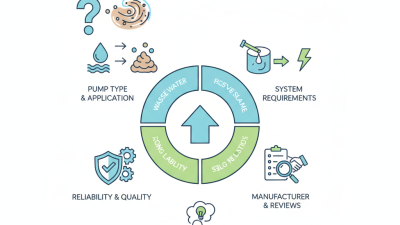
Choosing the right water pumping systems can be a daunting task. There are numerous options available, each designed for specific applications. Understanding your needs is crucial for making an informed decision.
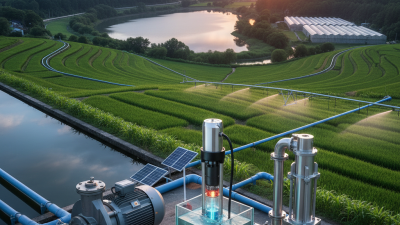
Consider the purpose of the water pumping system. Are you using it for irrigation, plumbing, or industrial applications? Each scenario demands different features. For instance, agricultural systems often require submersible pumps. In contrast, domestic applications may benefit from simple shallow well pumps. Analyzing your requirements helps narrow down the choices.
It's also essential to evaluate the specifications of potential water pumping systems. Pay attention to flow rates, pressure capabilities, and energy efficiency. This ensures that you choose a system that not only meets your demands but also operates reliably over time. Always seek expert advice when uncertain. The right decision can lead to long-term benefits, while a misstep can cause frustrating issues.
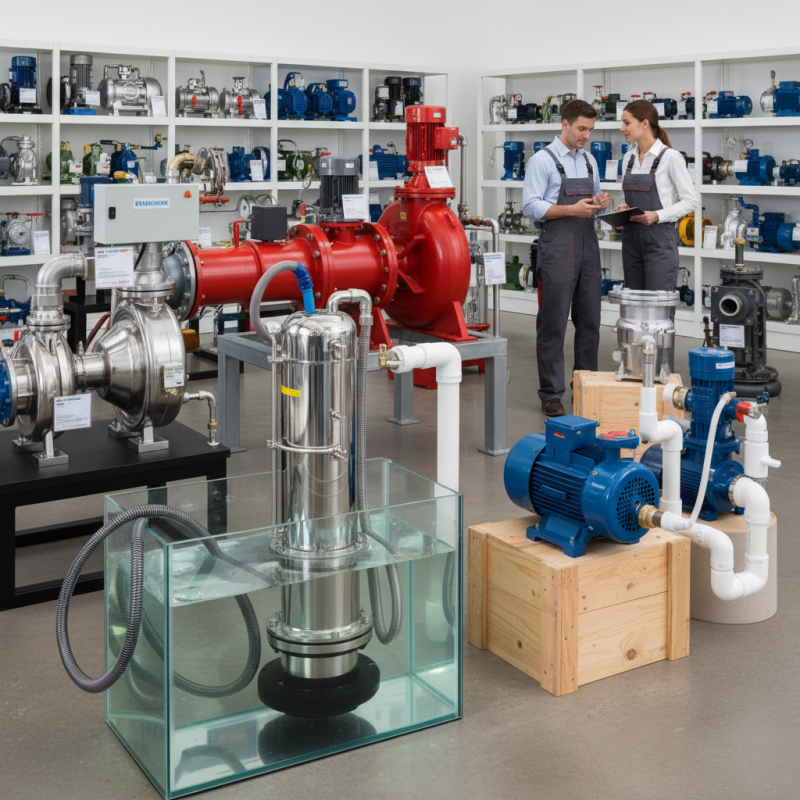
When selecting water pumping systems, understanding the options is crucial. Different systems cater to various needs. For instance, centrifugal pumps are common for their efficiency in moving large volumes of water. They work well for residential and commercial applications. In 2022, the global centrifugal pump market was valued at $37 billion and is projected to grow by 7% annually through 2030.
Submersible pumps are another popular choice. They are designed to work underwater and are ideal for well water extraction. Their compact design allows for easy installation in tight spaces. According to industry reports, the submersible pump market is expected to grow significantly, driven by rising demand in agriculture and dewatering applications. However, they require careful monitoring to prevent damage from debris.
Diaphragm pumps are useful in chemical transfer and wastewater management. They provide controlled flow rates and are typically used in specialized industries. Yet, they may fall short for high-volume needs. Understanding these nuances helps in selecting the right system. Every project has unique requirements, and a one-size-fits-all approach may lead to suboptimal performance.
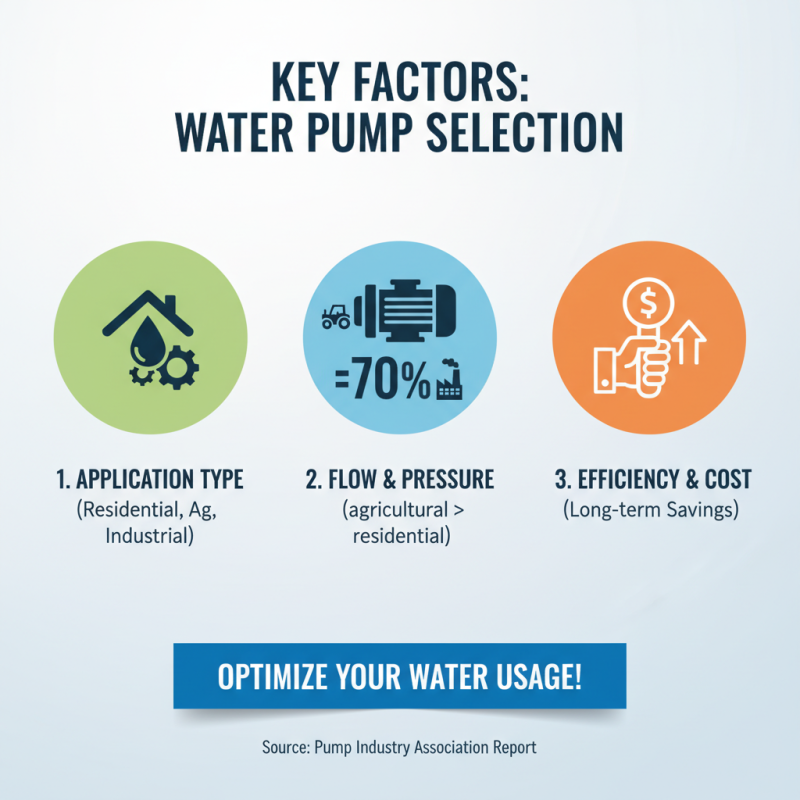
Choosing the right water pumping system requires careful consideration of several key factors. The application is crucial. For instance, residential systems may differ greatly from agricultural or industrial needs. A report from the Pump Industry Association states that about 70% of water usage in agriculture relies on pumps. Thus, understanding the specific requirements of your situation is essential.
Flow rate and head height are vital metrics to analyze. The flow rate, measured in gallons per minute, indicates the volume of water delivered. A system with insufficient flow will not meet demand. According to a recent industry survey, 60% of users experience inefficiencies due to underestimating their needed capacity. Head height, the distance water needs to be lifted, can drastically influence system performance, as each foot of elevation increases energy consumption.
Energy efficiency is another factor that should not be overlooked. Selecting a pump that meets energy standards can lead to significant savings. Reports show that energy costs can account for up to 25% of overall operational expenses. Users often overlook this aspect, resulting in higher utility bills. Reflecting on these elements will ensure a more informed decision in selecting a suitable water pumping system.
Choosing the right water pumping system depends largely on understanding flow rate and pressure requirements. Flow rate measures the volume of water a pump can move in a specific time. It’s often expressed in gallons per minute (GPM) or liters per minute (LPM). Knowing your system's flow rate needs is essential. If you underestimate this requirement, you may face insufficient water supply for your applications.
Pressure requirements are crucial too. Pressure affects how water reaches its destination. It can impact irrigation systems, plumbing, and more. A low-pressure system may lead to weak water streams. Conversely, excessive pressure can cause damage. Evaluating your specific needs can be tricky. You might need to experiment with different setups to find the right balance.
In trying to achieve efficiency, don't overlook the importance of maintenance. Regular checks on your pumps can help ensure they operate within their optimal parameters. This is often neglected, leading to performance drops. Reflecting on your system’s performance can guide future upgrades or replacements. Keep monitoring your flow rates and pressure. Adjustments may be necessary over time.
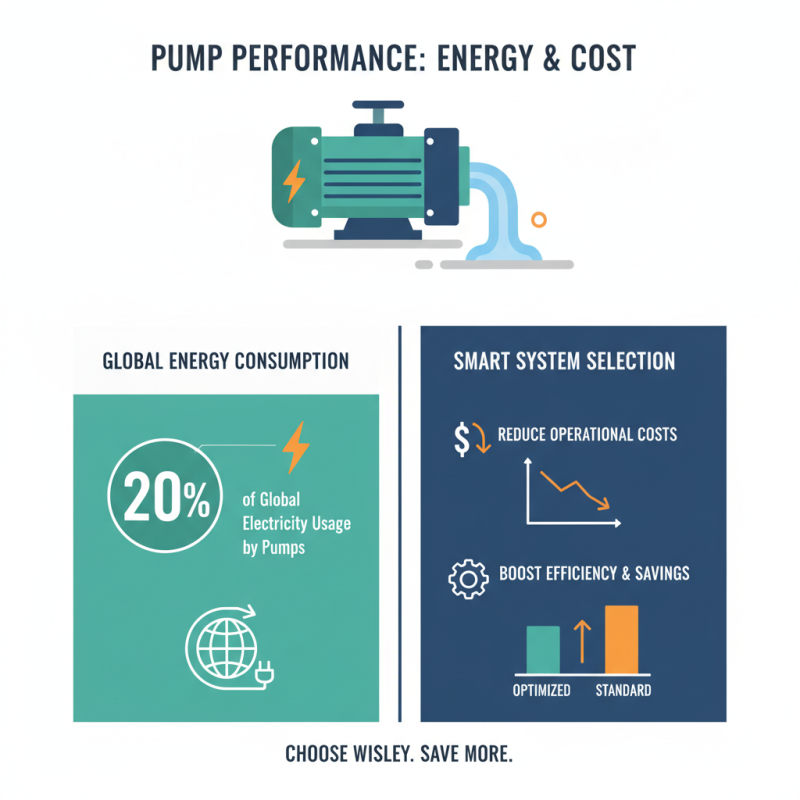
Choosing a water pumping system requires careful consideration of energy consumption and cost-effectiveness. Recent studies indicate that pumps account for approximately 20% of global electricity usage. Selecting the right system can significantly impact both energy costs and operational efficiency.
When assessing pumps, energy efficiency is crucial. Look for systems with high efficiency ratings. For example, a pump with a 90% efficiency can save you thousands over its lifetime compared to a 70% efficient model. This decision is instrumental in lowering your utility bills. Additionally, consider variable speed drives. They adjust the pump’s output based on demand, leading to further energy savings.
Tip: Regularly maintain your pump to ensure optimal performance. A neglected pump can operate inefficiently, driving up energy costs. Also, review your water needs periodically. Changes in demand can signal the need to reassess your pumping system’s efficiency.
Evaluating total lifecycle costs can reveal hidden expenses. The upfront cost of a pump is just one factor. Consider maintenance, energy usage, and the potential need for replacement. These aspects affect long-term financial planning. Awareness of this broader picture can lead to astute investment decisions.
Choosing the right water pumping system requires careful consideration of specific application needs. Residential systems often focus on efficiency and energy consumption. According to the U.S. Energy Information Administration, nearly 20% of residential energy use goes towards water heating and pumping. Opting for energy-efficient pumps can significantly reduce utility bills while ensuring reliable water supply.
In agricultural settings, the demands are different. Water conservation and irrigation efficiency are critical. The Food and Agriculture Organization reports that efficient irrigation systems can cut water usage by up to 50%. Farmers must assess the flow rates and pressure needs of their specific crops. Compatibility with local water sources is also essential.
For industrial use, the stakes are higher. Proper pumping systems can enhance productivity. The American Society of Mechanical Engineers emphasizes the importance of risk management in system selection. Poorly chosen pumps can lead to downtime and costly repairs. Industrial systems need rigorous performance analysis. Identifying peak usage times and load variations is key to optimizing the setup.
This bar chart illustrates the effective flow rate of different water pumping systems based on their application types: Residential, Agricultural, and Industrial. The data highlights the increasing flow requirements as you move from residential settings to industrial applications.