Industrial Pump Repair Canada - Pump and Seal Repair and Replacement Services
ISO 9001 Certified
Industrial Pump Repair Canada - Pump and Seal Repair and Replacement Services
ISO 9001 Certified
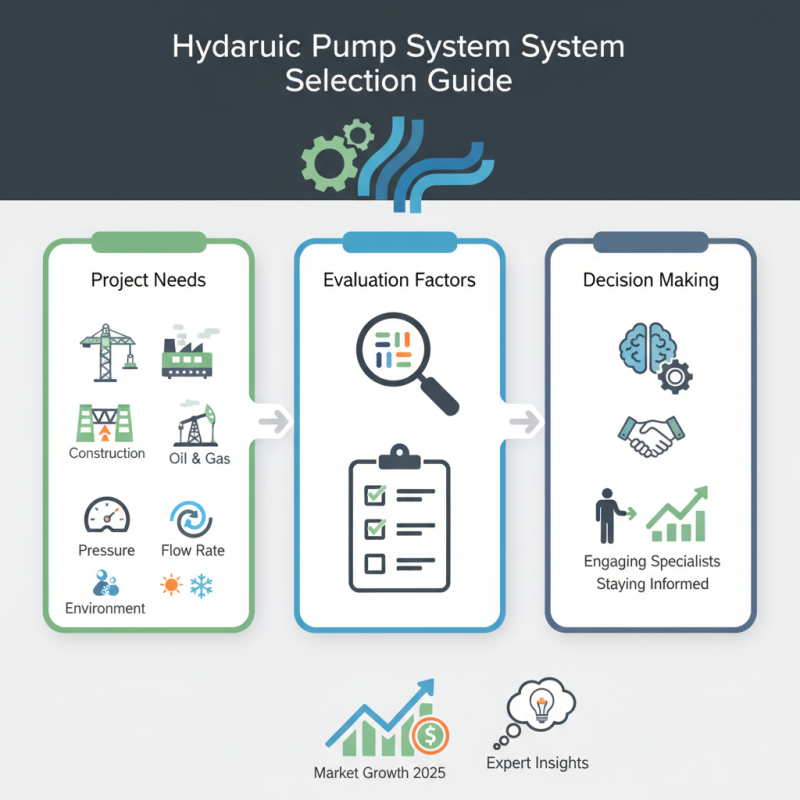
Choosing the right hydraulic pump systems for your project is crucial. These systems play a vital role in machinery across various industries. According to a recent report by the International Hydraulic Association, the global market for hydraulic pumps is expected to reach $11 billion by 2025. This statistic emphasizes the growing reliance on hydraulic technology in sectors such as construction, manufacturing, and oil and gas.
Expert John Smith, a renowned hydraulic systems engineer, states, "Selecting the appropriate hydraulic pump system can make or break a project's efficiency." His insights highlight the importance of understanding the specific needs of your project. Each application demands different characteristics from a hydraulic pump. Factors such as pressure, flow rate, and environmental conditions must be evaluated meticulously.
However, the process is not without challenges. Many project managers often overlook critical specifications. Misjudgments can lead to inefficiencies and costly repairs. A keen awareness of the specific project requirements will empower decision-making. Engaging with specialists and staying informed about advancements in hydraulic pump systems can provide clarity in this complex landscape.
Hydraulic pump systems play a crucial role in various industries. Understanding these systems is key to selecting the appropriate one for your project. At a basic level, hydraulic pumps convert mechanical energy into hydraulic energy. They facilitate the movement of fluids to generate force or motion in machinery.
When choosing a hydraulic pump system, consider the type of pump. Gear pumps and piston pumps serve different purposes. Gear pumps are efficient for low-pressure applications, while piston pumps excel in high-pressure settings. Assess the flow rate and pressure requirements of your project. This simple step can save time and resources later.
Another important aspect is the compatibility of the hydraulic fluid. Different fluids can affect the performance of the pump system. Understanding viscosity and temperature tolerances is essential. However, many overlook these factors. Regular maintenance is also necessary for long-term reliability. Ignoring this can lead to unexpected breakdowns or operational inefficiencies.
Selecting the right hydraulic pump system is crucial for project success. Key factors include flow rate, pressure rating, and efficiency.
Flow rate indicates the volume of fluid a pump can move. For instance, many industrial applications require a minimum flow rate of 5 to 100 gallons per minute (GPM). Ensuring the right flow rate prevents system overload or inefficiency.
Pressure rating is equally important. Many hydraulic pumps need to operate within 1,500 to 4,000 psi, depending on the application. Operating outside these parameters can lead to pump failure. It's essential to assess the specific needs of your project.
Efficiency impacts energy consumption and operational costs. A study shows that hydraulic pumps can lose over 30% of energy in poorly designed systems. Regular maintenance and proper selection can mitigate such losses. Consider your unique requirements carefully, and be open to revisiting your choices. Ensure a thorough evaluation of all factors to maximize system performance and reliability.
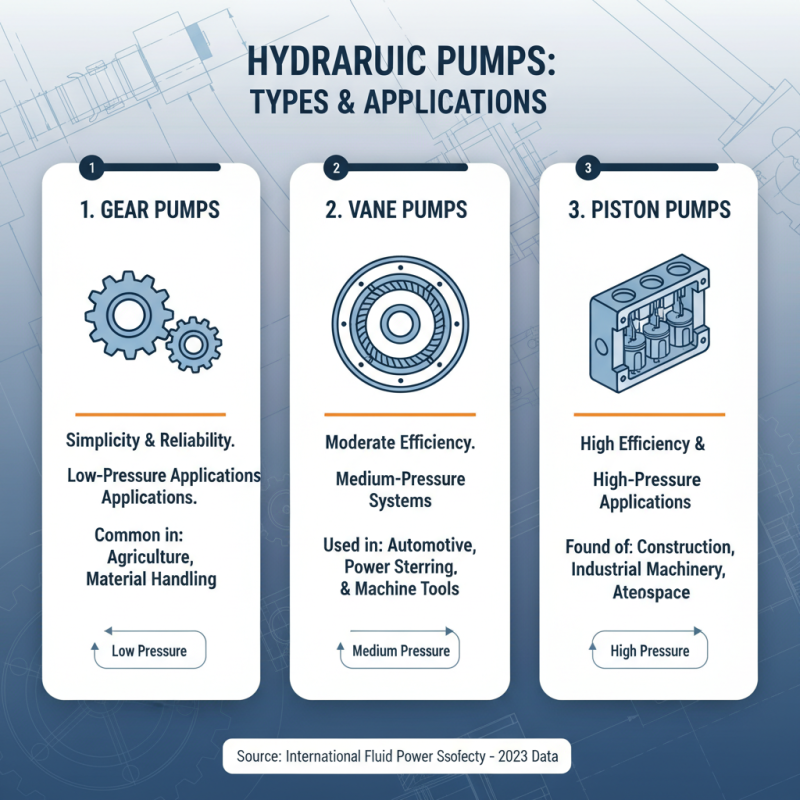
When selecting hydraulic pump systems for various applications, understanding the types available is essential. Hydraulic pumps broadly fall into three categories: gear pumps, vane pumps, and piston pumps. Each type serves distinct functions and offers varying efficiency levels. According to recent data from the International Fluid Power Society, gear pumps are widely used in low-pressure applications due to their simplicity and reliability. In contrast, piston pumps are favored for high-pressure settings, often found in construction and industrial machinery.
Vane pumps occupy a middle ground, delivering moderate pressure and flow rates. Their adjustable displacement makes them versatile for mobile and stationary applications. Industry reports indicate that up to 30% of hydraulic system failures stem from improper pump selection. Therefore, evaluating the specific demands of your project is crucial. Careful consideration should be given to flow rate, pressure, and the environment in which the pump will operate.
Choosing the right hydraulic pump is not merely a technical decision; it's strategic. Engineers must not only assess performance but also the total cost of ownership. Factors like maintenance, expected lifespan, and compatibility with existing systems often complicate selection. Learning from past mistakes can refine the decision process. A thorough analysis of operational requirements can lead to better outcomes, reducing the risk of costly operational downtimes.
Assessing project requirements is crucial when selecting hydraulic pump systems. Begin by defining the specific tasks the pump must perform. Consider the flow rate and pressure requirements, as these directly affect the pump's size and type. Understanding the dynamics of the system can lead to better choices. If unsure, engaging with industry experts can provide valuable insights.
Sizing the pump involves more than calculations. It's also about assessing the environment where it operates. Think about the space available and potential obstacles. An oversized pump can waste energy and increase costs. An undersized one may fail to meet demands. Evaluate efficiency ratings and duty cycles, as these factors can impact long-term performance. Reflect on your choices and how they align with your project's goals.
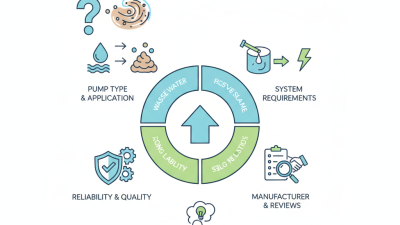
When evaluating the quality and reliability of hydraulic pump systems, several factors come into play. One of the key aspects is the build material. Pumps made from high-grade steel or aluminum tend to last longer. This choice is crucial for minimizing corrosion and ensuring optimal performance. Look for signs of wear, as even minor issues can lead to significant failures.
Tips: Regular maintenance checks can save you from unexpected breakdowns. Keeping your hydraulic fluid clean is essential. Monitor for contamination or leaks frequently. Any small irregularity can reveal deeper problems that require attention.
Another important consideration is the manufacturer's reputation. Always opt for systems from reputable manufacturers. This gives you access to better support and service options. Research reviews and case studies to gauge how their products perform in real-world scenarios. A poorly rated pump can turn into a costly mistake down the line.
Tips: Consult industry experts or forums for unbiased opinions. Gathering insights from different sources can lead to better-informed choices. Don’t hesitate to reach out to professionals for recommendations.