Industrial Pump Repair Canada - Pump and Seal Repair and Replacement Services
ISO 9001 Certified
Industrial Pump Repair Canada - Pump and Seal Repair and Replacement Services
ISO 9001 Certified
Achieving pump performance optimization is crucial for various industries. Effective optimization not only enhances efficiency but also reduces operational costs. Many factors influence pump performance, including design, maintenance, and operational practices. Industry experts emphasize that a comprehensive approach is necessary.
Pump performance optimization involves continuous monitoring, assessment, and adjustment. Collecting data on pressure, flow rates, and energy consumption can highlight areas needing improvement. However, many facilities overlook the importance of regular analysis. Ignoring these insights may lead to decreased efficiency and increased downtime.
An effective optimization strategy often requires trial and error. This reflects the complexity of each system. As unique challenges arise, flexibility in approach becomes essential. Each pump system is different. Engaging with experienced professionals can provide valuable insights into specific needs. Fostering a culture of improvement will ultimately benefit performance and reliability.
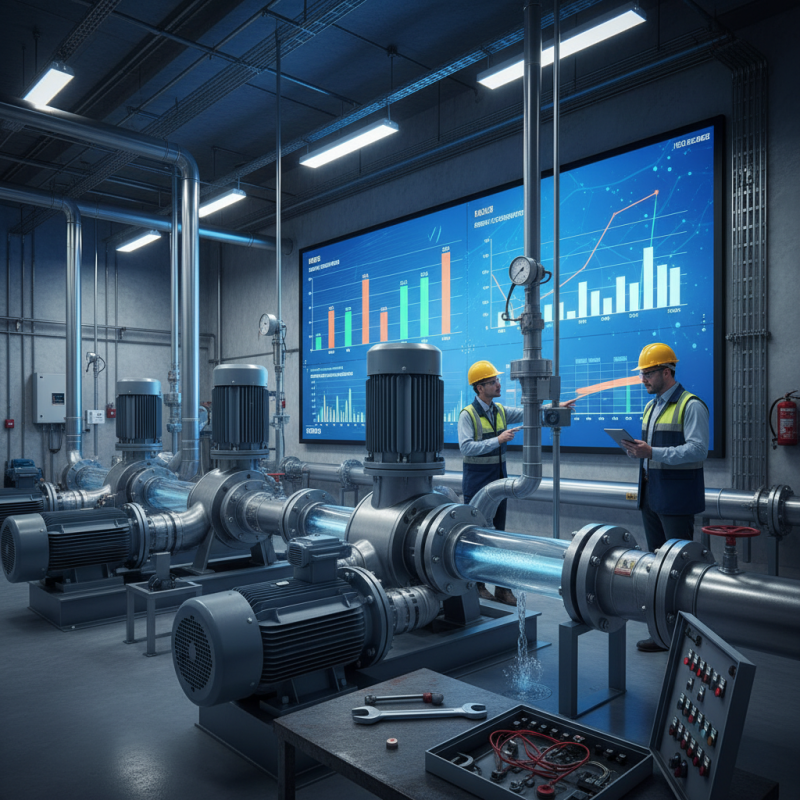
Understanding pump performance metrics is crucial. These metrics help measure efficiency, flow rates, and energy consumption. Properly assessing them can lead to significant improvements. A clear understanding of these parameters allows for targeted optimizations that enhance overall system efficiency.
Regularly monitor key metrics like flow rate and total dynamic head. This helps identify potential performance issues early. Analyze energy consumption patterns to spot inefficiencies. Implementing small changes, like adjusting impeller sizes or cleaning filters, can yield noticeable benefits.
Tips for optimization include performing routine maintenance checks. This keeps pumps running efficiently. Also, consider employee training. A knowledgeable team can better recognize issues. Engage in regular performance reviews to adapt strategies. This creates an environment of continuous improvement and efficiency.
Pump efficiency is often affected by several common factors. Understanding these can lead to effective optimization. System design plays a critical role. A study by the Hydraulic Institute states that improper pump sizing can result in energy losses of up to 30%. Ensuring compatibility with existing systems is crucial for maintaining operational efficiency. Many facilities overlook this aspect.
Another significant factor is the condition of components. Worn-out seals or impellers can drastically reduce performance. Research indicates that regular maintenance can improve efficiency by as much as 25%. However, many operations fail to implement structured maintenance schedules. Effective training for personnel can also mitigate common inefficiencies. Knowledge of optimal operation practices is often lacking.
Monitoring technology is vital in today's industry. Smart sensors can provide real-time data, enhancing decision-making. A recent report from the American Society of Mechanical Engineers highlights that predictive maintenance can cut downtime by 20%. Despite these tools being available, adoption rates remain low. Organizations must address these gaps to optimize pump performance effectively.
Analyzing and monitoring pump performance is crucial for optimization. Accurate measurements help identify inefficiencies. According to industry reports, up to 20% of pump energy is wasted. Regular monitoring can reduce this significantly.
Using flowmeters and pressure gauges, operators can collect data on a pump's efficiency. Monitoring systems offer real-time insights, enabling quick adjustments. Vibration analysis can also detect mechanical issues early. These techniques are vital for maintaining optimal performance.
Tips: Regularly calibrate instruments for accuracy. Keep a close eye on energy consumption patterns. Analyze historical data to detect trends. Adjusting operational parameters based on solid evidence can enhance performance.
Although these techniques are effective, they require commitment. Inconsistent monitoring can lead to missed opportunities. A proactive approach ensures that pumps operate within their best range. Remember that performance optimization is an ongoing journey, not a one-time fix.
| Parameter | Value | Unit | Notes |
|---|---|---|---|
| Flow Rate | 150 | L/min | Measured under normal operating conditions |
| Total Head | 75 | m | Consistent with design specifications |
| Pump Efficiency | 85 | % | Optimal efficiency at current load |
| Power Consumption | 11 | kW | Regular monitoring shows stable values |
| Vibration Level | 2.5 | mm/s | Below maximum threshold |
| Temperature | 60 | °C | Normal operating temperature |
Achieving pump performance optimization is a complex process. Implementing strategies requires a thorough understanding of various factors affecting efficiency. Start by conducting a comprehensive audit of your pump system. Identify areas where performance lags. This involves reviewing operational data and examining physical components.
Tips:
Regularly monitor key performance indicators to catch issues early. Small changes, like adjusting flow rates, can lead to significant gains.
Incorporate predictive maintenance techniques. Use data analytics to forecast when maintenance is needed. This strategy can reduce downtime and prolong pump life. A study showed that proactive maintenance can enhance performance by up to 30%.
Tips:
Train your team to recognize signs of wear. Empower them to act on maintenance checks. They should feel confident sharing insights.
Lastly, ensure that your training programs are regularly updated. Employee knowledge can slip over time. Schedule workshops focused on new technologies or methods. Encourage feedback to improve these programs.
Tips:
Create a culture of continuous learning. When employees are engaged, performance improves. Developing skills is crucial for optimization.
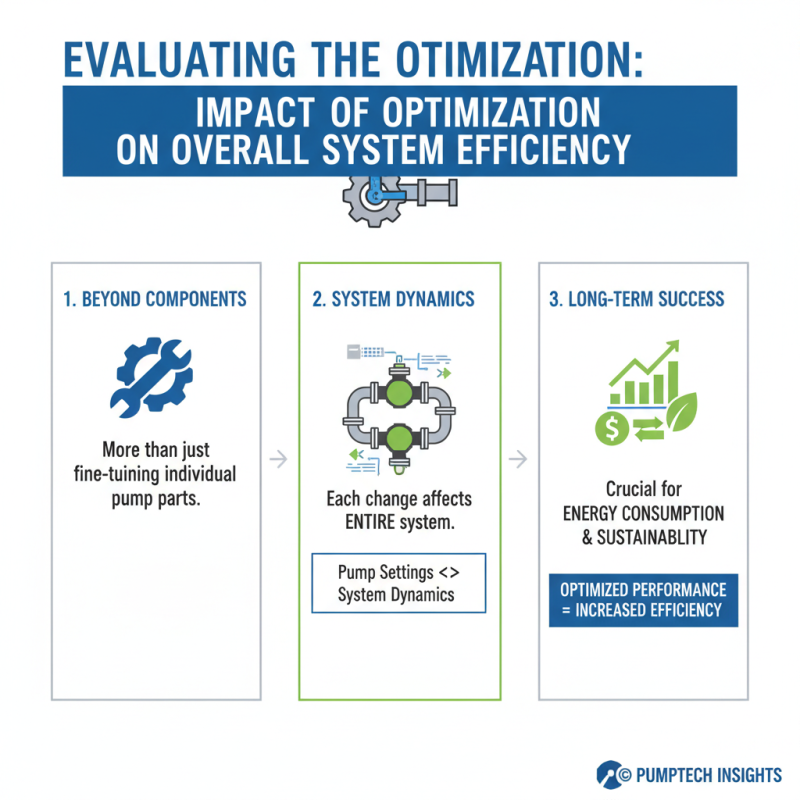
Achieving pump performance optimization is more than just fine-tuning individual components. It involves evaluating the entire system’s efficiency. Each change in pump settings can affect overall system dynamics. Understanding how these adjustments impact energy consumption is crucial for long-term success.
Data analysis plays a key role here. Continuous monitoring allows for real-time adjustments. By examining flow rates and pressure levels, inefficiencies can be identified quickly. For example, a minor alteration in the pump speed might produce significant energy savings. However, this approach isn't without challenges. Inconsistent data can lead to misleading conclusions. Therefore, reliability in data collection is essential.
The human element also matters. Operators must be trained to interpret data effectively. Sometimes, initial optimization efforts do not yield expected results. Reflecting on these discrepancies can guide future strategies. Sharing insights and learning from past mistakes creates a culture of continuous improvement. Engaging all stakeholders ensures that optimization efforts align with broader system goals.