Industrial Pump Repair Canada - Pump and Seal Repair and Replacement Services
ISO 9001 Certified
Industrial Pump Repair Canada - Pump and Seal Repair and Replacement Services
ISO 9001 Certified
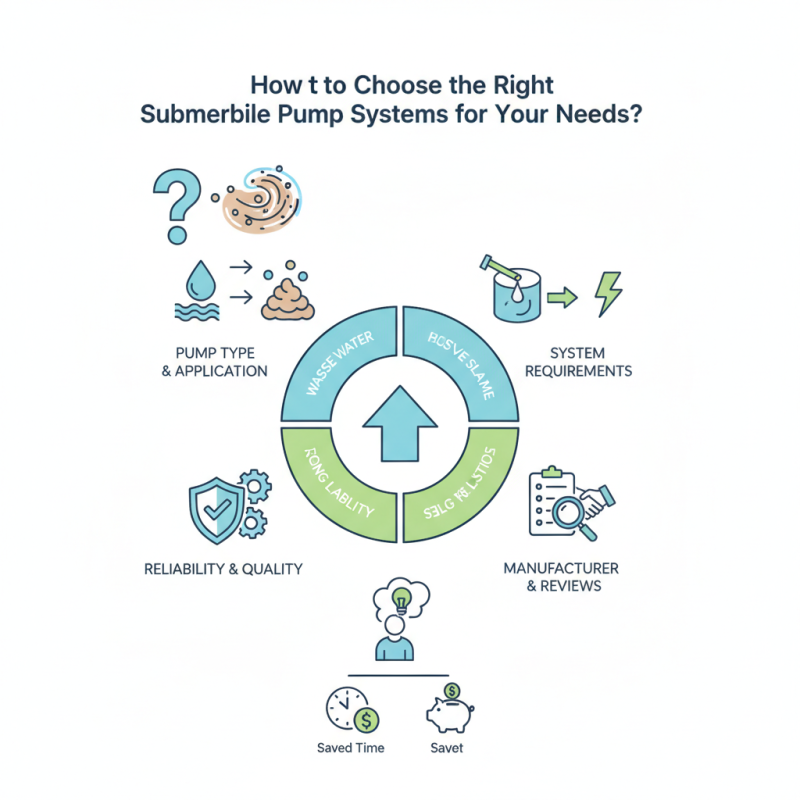
Choosing the right submersible pump systems can be a daunting task. With countless options available, it’s essential to consider various factors to ensure you make the best decision for your needs. Each pump system serves distinct applications. Some are designed for clean water, while others handle wastewater or heavy sludge. This diversity complicates the selection process.
You must evaluate your specific requirements. Think about the depth of the water source, the volume of water to be pumped, and the power source. These elements can significantly influence your choice. Reliability is paramount, as a faulty pump can lead to costly problems. It’s crucial to select a system with a proven track record.
Emphasizing quality is non-negotiable when choosing submersible pump systems. Look for trusted manufacturers with expertise in the industry. Explore reviews and case studies. This research can guide you to reliable options. However, even the best systems might not fit every scenario. Be prepared to revisit your choices and learn from any missteps. Ultimately, making an informed decision can save you time and money.
Submersible pumps are vital in various industries. Understanding their basics is key to making an informed choice. They are designed to operate underwater, pushing fluids to the surface. The global market for these pumps is projected to grow, reaching $12 billion by 2027, as per industry reports. This growth indicates their critical role in sectors such as wastewater management, agriculture, and construction.
In terms of applications, submersible pumps serve multiple purposes. They are commonly used in dewatering, irrigation, and sewage systems. For instance, in urban areas, they help manage stormwater. According to a report from the Water Environment Federation, nearly 80% of municipalities use these pumps for effective flood control. However, selecting the right pump system can be challenging. Factors such as flow rate, head size, and the nature of the fluid matter significantly. Despite the advancements, many users still face difficulties in selecting suitable options, leading to operational inefficiencies.
It’s essential to reflect on the implications of choosing the wrong pump. Poor performance can result in increased energy costs and system failures. Most users focus solely on price, neglecting the long-term operational parameters. Understanding submersible pumps’ technical specifications could mitigate these issues. An informed selection process ensures sustainability and efficiency in various applications.
| Pump Type | Flow Rate (GPM) | Head Height (ft) | Power Source | Applications |
|---|---|---|---|---|
| Submersible Water Pump | 10 - 60 | 20 - 100 | Electric | General water transfer, irrigation |
| Effluent Pump | 15 - 45 | 25 - 50 | Electric | Wastewater management, sewage systems |
| Deep Well Pump | 5 - 20 | 100 - 300 | Electric or Solar | Deep well water extraction |
| Sump Pump | 20 - 50 | 10 - 30 | Electric | Basement flooding prevention |
| Trash Pump | 25 - 60 | 20 - 50 | Gas or Electric | Construction sites, heavy debris |
When selecting the right submersible pump system, understanding your water source is crucial. Is it clean water from a well or murky water from a pond? The source determines the pump's design and materials. Make sure to assess water quality, depth, and flow rate. This knowledge helps you pick a pump that can handle your specific needs reliably.
Tips: Consider the pump's horsepower. A higher horsepower means it can move water faster. However, too much power may waste energy. It’s essential to balance efficiency and effectiveness. If you're unsure about your requirements, consulting with an expert can save you time.
Pumping requirements also play a significant role. How high do you need to lift the water? Calculate the vertical distance. A pump must have sufficient head pressure to operate efficiently. Think about the length of the discharge pipe as well. Longer pipes can reduce flow rate, necessitating a more powerful pump.
Tips: Always overestimate your needs slightly. It is better to have excess capacity than to struggle with inadequate performance later. Using a pump that's too small can lead to burnout and costly repairs. Sometimes, a slightly more expensive pump can be a valuable investment.
Evaluating pump specifications is crucial to finding the right submersible pump system for your needs. Power is the first consideration. It determines how effectively the pump can handle the workload. A pump with higher horsepower can move more water faster. However, higher power often means increased energy consumption. Consider your specific needs carefully to achieve an effective balance.
Next, capacity is essential. It indicates how much water the pump can move within a specific timeframe. Think about your requirements—do you need a pump for a small garden or a large reservoir? Size matters here. A small pump in a big reservoir won’t keep up. Conversely, an oversized pump may waste energy. Understanding your volume needs is essential for optimal performance.
Depth ratings also play a significant role. They suggest how deep the pump can operate effectively without losing functionality. The depth required varies widely. Ensure the pump can reach the necessary depths without strain. Some pumps struggle at greater depths, affecting their efficiency. Evaluating these specifications can be challenging. Mistakes in assessment could lead to inefficient pumping systems. Take time to research and reflect: a well-chosen pump saves time and effort.
When selecting a submersible pump, understanding the different types available is crucial. There are various types of submersible pumps, each tailored for specific applications. The most common types include sewage, dewatering, and sump pumps. Each type has its unique features aimed at addressing distinct challenges.
For instance, sewage pumps handle solids and can manage wastewater effectively. Dewatering pumps are designed to remove water from construction sites quickly. Sump pumps protect basements from flooding by removing excess water. The differences may seem minor, but they play a significant role in performance.
Choosing the wrong type can lead to inefficiencies and more problems. Consider flow rates, power consumption, and maximum depth capabilities during your decision process. It’s important to assess your needs carefully to prevent costly mistakes. Each situation has its specific demands, which is why researching thoroughly is essential. Don't overlook the importance of durability and reliability. Sometimes, the cheapest option can end up being the most expensive in the long run.
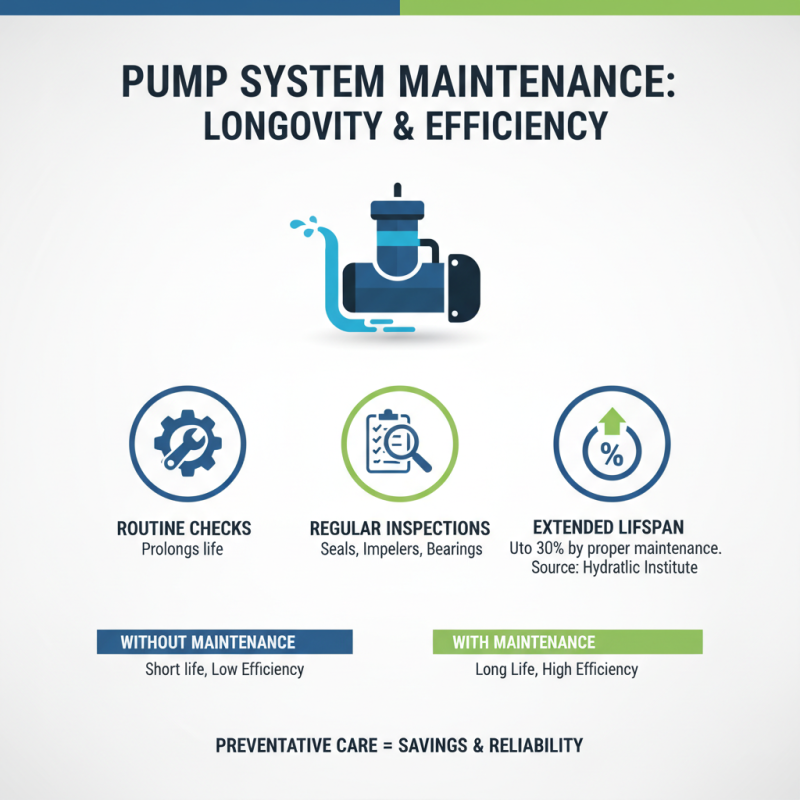
When selecting a submersible pump system, maintenance plays a critical role in ensuring both longevity and efficiency. Routine checks can prolong a pump's life significantly. According to a report by the Hydraulic Institute, proper maintenance can extend equipment lifespan by up to 30%. Regular inspections of seals, impellers, and bearings will help identify issues before they escalate.
Furthermore, it's essential to monitor the pump's operating conditions. Power surges can stress the system, leading to premature failure. Studies show that maintaining optimal operating temperatures is crucial. Overheating can reduce efficiency by up to 15%. Employing vibration analysis tools can also spot potential problems early. Regularly scheduled maintenance can prevent unexpected downtimes.
Despite these guidelines, many users overlook proper maintenance. It can be tempting to ignore small issues, but this can lead to larger, costlier repairs later. A staggering 40% of pump failures are attributed to improper maintenance practices, highlighting the necessity of vigilance. Establishing a comprehensive maintenance schedule is imperative for anyone relying on these systems. Regular training for personnel involved with pump care can enhance awareness and adherence to best practices.