Industrial Pump Repair Canada - Pump and Seal Repair and Replacement Services
ISO 9001 Certified
Industrial Pump Repair Canada - Pump and Seal Repair and Replacement Services
ISO 9001 Certified
Pump system troubleshooting is essential for maintaining efficiency in industrial operations. According to John Smith, a leading expert in the field, "Identifying pump issues early can save time and resources." His insight underscores the importance of a proactive approach.
Pumps are critical in various processes, so any malfunction can lead to significant losses. Common issues include leaks, noise, and pressure fluctuations. Each problem requires careful analysis. Regular maintenance and monitoring can prevent these situations.
In this guide, we explore the top ten troubleshooting tips. From understanding the system's design to using diagnostic tools, these strategies are tailored for real-world applications. Every challenge offers learning opportunities. With the right knowledge, you can enhance the reliability of your pump systems.
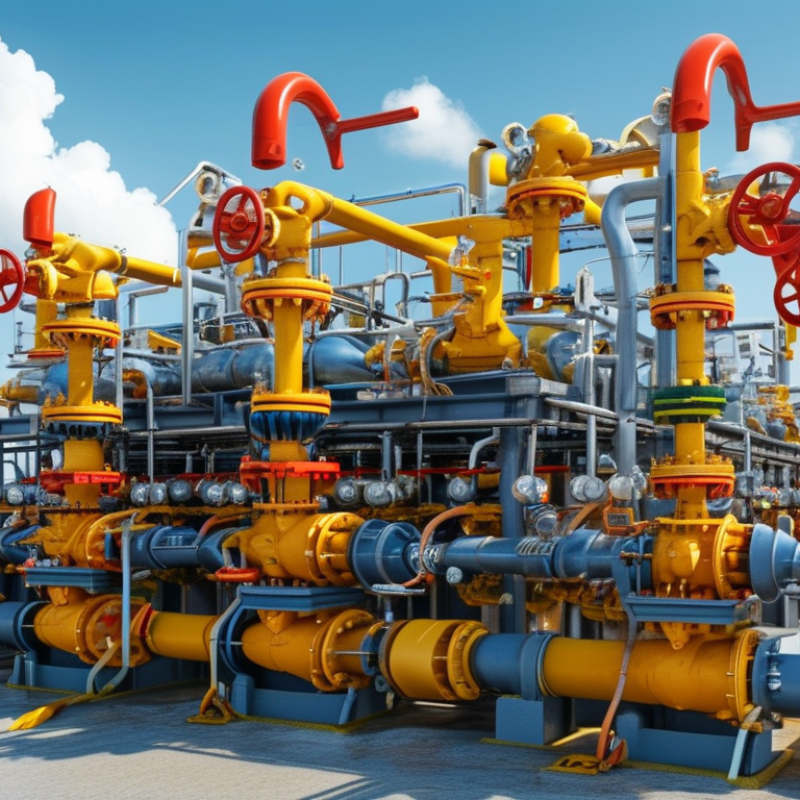
A pump system can face various issues, and recognizing the symptoms early can help prevent costly repairs. Common problems include unusual noises, vibrations, and changes in flow rate. Unusual noises can be a sign of cavitation or impeller issues. Vibrations often indicate misalignment or bearing failure. Addressing these symptoms promptly can save significant downtime.
Another critical aspect is monitoring the fluid temperature and pressure. Abnormal temperature increases can signal a blockage or failing motor. Fluctuating pressure may suggest air entrainment or leaks in the system. These indicators not only help identify the current problem but also hint at potential future failures. Regular maintenance and vigilance in inspecting these signs are essential for a reliable pump system.
Finally, it’s important to note that not all symptoms lead to immediate solutions. Sometimes, the cause of a problem requires thorough investigation. For example, persistent vibrations may not always suggest an urgent fix. Reflecting on the underlying issues is vital for long-term reliability. Take time to observe and analyze these symptoms to develop effective solutions.
Diagnosing pump malfunctions can be a challenging task. It requires a systematic approach to identify the issue accurately. Start by gathering basic data. Check the pump's specifications and previous maintenance records. A log of any strange noises or leaks will be vital. Observing the pump’s operation can reveal hidden problems. Look for vibration or irregular sounds. Many pumps exhibit signs that indicate specific issues. Listen closely.
Next, check the power supply. Ensure that voltage levels are stable and connections are secure. Overheating can often signal electrical problems. If the pump stops unexpectedly, it might be due to overload conditions. Examine the impeller for blockages or wear. A damaged impeller can reduce efficiency drastically. Use a gauge to measure the output pressure. Low readings may indicate underlying issues requiring immediate attention.
Regularly consulting with experienced technicians adds depth to your troubleshooting skills. Document your findings and revisit common issues. Reflect on any steps that felt intuitive but yielded little insight. A fresh perspective is sometimes necessary for clearer diagnosis. Maintaining detailed records will enhance your troubleshooting process over time. Every pump teaches us something new about efficiency and maintenance. Adjustments often lead to improved performance.
Irrigation pumps play a crucial role in maintaining healthy crops. When these systems malfunction, it can lead to significant issues. Poor performance could stem from various factors, including clogged filters or improper pump sizing. Regular maintenance is essential to keep these issues at bay. Checking and clearing filters can enhance the efficiency of the pump and ensure consistent water flow.
Another common problem lies in valve malfunctions. If valves are stuck or faulty, water distribution becomes uneven. It’s important to inspect valves routinely to identify potential wear or blockages. Additionally, check for leaks in the system. Small leaks can lead to major inefficiencies over time, wasting valuable resources.
Sometimes, the issue might stem from the power supply. Ensure that electrical connections are secure and that the power supply is stable. Fluctuations can cause erratic performance. Monitoring these details can save time and prevent costly downtime. It's wise not to overlook these small yet significant points that can have a big impact on irrigation performance.
Pump systems are vital for various industrial applications. Keeping them in good condition is essential. Regular preventive maintenance can extend the lifespan of these systems. Check fluid levels and monitoring any abnormal noise or vibrations. This simple practice offers insight into possible issues.
Inspect seals and gaskets frequently. These components can wear out over time. A small leak might lead to larger problems down the line. Proper lubrication is also crucial. Remember to adhere to your maintenance schedule and document all findings. This helps establish a pattern for performance and potential mishaps.
Consider the environment in which your pumps operate. Dust and debris can impede function. An unclean area is a breeding ground for issues. Regular cleaning can prevent costly downtime. Sometimes, resources may be limited, but keeping a close eye can save resources in the long run. Reflecting on past maintenance efforts can yield invaluable lessons for future practices.
Effective pump system testing and calibration techniques are essential for optimal performance. According to the Hydraulic Institute, nearly 30% of energy consumed by industrial pumps is wasted due to inefficiencies. Proper testing can pinpoint these inefficiencies. Regular calibration ensures that pumps operate within their designed parameters, reducing energy costs and prolonging lifespan.
Tip: Conduct regular flow tests to measure actual versus expected performance. This can help identify issues early. Vibrations, for instance, may indicate misalignment or wear. Addressing these problems proactively can save significant repair costs.
Moreover, understanding the system’s dynamics is crucial. Research shows that 35% of pump failures are related to poor system design. Testing under various conditions reveals how pumps behave in real scenarios. This insight leads to better decisions about upgrades or modifications.
Tip: Utilize advanced diagnostic tools such as ultrasonic or infrared sensors for real-time analysis. These tools provide critical data to correct inefficiencies. Investing in these technologies pays off by enhancing overall system reliability.
Every pump system demands attention. Even small oversights can lead to significant operational disruptions. Periodic reviews and updates are vital to maintaining efficiency and effectiveness.