Industrial Pump Repair Canada - Pump and Seal Repair and Replacement Services
ISO 9001 Certified
Industrial Pump Repair Canada - Pump and Seal Repair and Replacement Services
ISO 9001 Certified
In the industrial landscape, understanding "pump failure analysis" is critical for operational success. Renowned expert Dr. Emily Hart, a leading voice in mechanical engineering, emphasizes, “Preventing pump failures starts with understanding their root causes.” This statement underlines the importance of thorough analysis.
Effective pump failure analysis involves more than just identifying issues. It requires meticulous observation and data collection. Experts suggest looking into environmental factors and maintenance practices. Each failure holds a lesson that can enhance future reliability. However, many organizations struggle with documentation and often overlook vital information.
Failure analysis is not merely an academic exercise. It is a necessary approach to ensure equipment longevity and avert costly downtime. In a world where every minute counts, developing a robust analysis strategy can make all the difference. A lack of proper analysis can lead to repeated issues, suggesting a need for continuous improvement. Recognizing this can foster a culture of safety and efficiency in any operation.

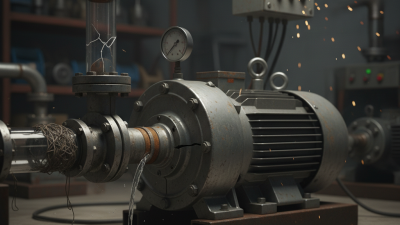
Pump failures can arise from various causes, and understanding these types is essential for effective analysis. Common pump failures include mechanical seal leaks, bearing failures, and cavitation. Each type provides clues for troubleshooting. Mechanical seal leaks can indicate issues with pressure or temperature. Inspecting these seals regularly can prevent more severe problems.
Bearing failures often stem from misalignment or insufficient lubrication. Implementing a regular maintenance schedule can help identify wear and tear early. Cavitation occurs when vapor bubbles form and collapse inside the pump, leading to significant damage. Monitoring flow rates and pressure levels can mitigate this risk. Keep an eye on pump performance metrics to catch these failures before they escalate.
While knowledge of these failures is crucial, many operators overlook proper documentation. Recording maintenance activities and pump conditions can provide valuable insights. It's a simple step, yet many fail to do it consistently. Reflecting on these gaps in practice can improve future pump reliability. Regular training and refreshers for staff can also enhance awareness of potential pump issues.
Pump failures can be costly and disruptive. Identifying their common causes is crucial to effective analysis. According to industry reports, approximately 30% of pump failures result from mechanical seal issues. These seals are vital for preventing leaks. Over time, improper installation or wear can lead to system failures.
Another significant cause of pump failure is cavitation. This phenomenon occurs when vapor bubbles form in the liquid and collapse violently, damaging the pump’s internal components. Studies indicate that around 25% of pump problems are related to cavitation. Operating at incorrect pressures or flow rates often triggers this issue.
Regular maintenance is key. Many companies neglect this aspect, leading to unanticipated downtime. Reports suggest that around 70% of pump failures could be prevented with proper tracking of operational parameters. Understanding these common issues helps engineers take proactive steps. This approach not only preserves equipment but also ensures long-term reliability.
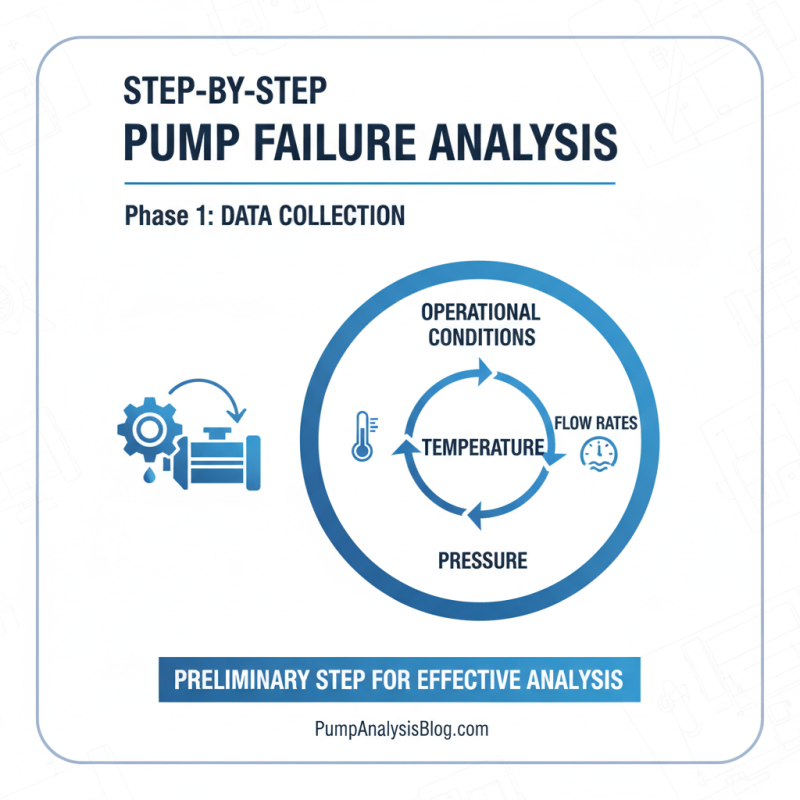
Analyzing pump failures requires a systematic approach. First, it is crucial to collect data on operational conditions. You should gather information on temperature, pressure, and flow rates during the pump's operation. This preliminary step lays the groundwork for effective analysis.
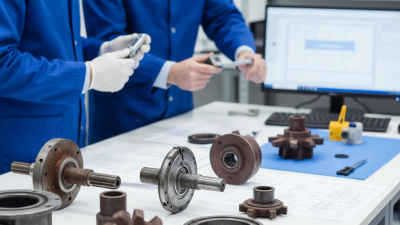
Next, perform a visual inspection of the pump components. Look for corrosion, wear, or misalignment. Data from the Hydraulic Institute show that misalignment contributes to 30% of pump failures. Such details reveal a lot and should not be overlooked. Document any irregularities meticulously for further analysis.
Tips: Maintain a detailed log of operating conditions to identify patterns. Regular inspections can catch issues early.
Use failure mode and effects analysis (FMEA) as a structured tool. This method helps identify potential failure points and their severity. According to a report from the American Society of Mechanical Engineers, addressing these points can reduce operational downtime by 15%.
After completing your analysis, consider root cause analysis (RCA). This step examines underlying issues that led to the pump's failure. Remember, addressing symptoms without understanding the root cause may lead to recurring failures. Seek input from cross-functional teams to enhance reliability and effectiveness.
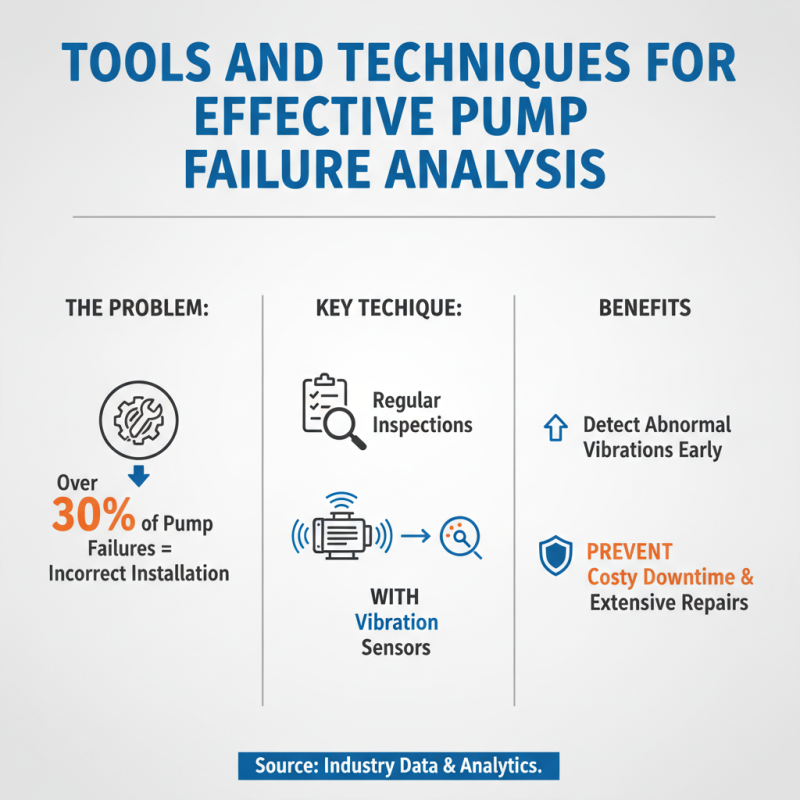
Effective pump failure analysis requires the right tools and techniques. Data shows that over 30% of pump failures are attributed to incorrect installation. Therefore, performing regular inspections with vibration sensors can provide invaluable insights. These sensors can detect abnormal vibrations early, potentially preventing costly downtime and extensive repairs.
Oil analysis is another essential technique. Regular oil sampling helps identify contamination and wear particles, contributing factors to pump failure. According to industry reports, nearly 50% of pump issues arise from lubrication failure. Early detection through oil analysis can extend pump life significantly.
Documentation is critical throughout the analysis process. Capturing performance data and maintenance records ensures a clear understanding of trends. Review these documents regularly for patterns. It is not uncommon for teams to overlook simple maintenance steps. Reflecting on past failures can illuminate paths to future success.
Effective corrective actions are crucial after a pump failure analysis. Understanding the root causes allows teams to implement effective solutions. Teams should analyze failure modes thoroughly. Gathering data often reveals patterns that indicate persistent issues. Focusing on the weakest links can prevent future breakdowns.
Developing a clear plan for future prevention is equally important. Once issues are identified, staff training becomes paramount. Educating everyone involved ensures that operational standards are upheld. Regular maintenance schedules must also be established and followed. Inadequate maintenance can lead to repeated failures.
Incorporating feedback loops is vital. Creating a culture where team members can report problems encourages open communication. This fosters a proactive approach rather than a reactive one. Mistakes should be seen as learning opportunities. Reflect on past failures to cultivate better practices moving forward.