Industrial Pump Repair Canada - Pump and Seal Repair and Replacement Services
ISO 9001 Certified
Industrial Pump Repair Canada - Pump and Seal Repair and Replacement Services
ISO 9001 Certified
Pump parts replacement is a critical aspect of maintaining operational efficiency in various industries. A well-functioning pump system relies on each component working harmoniously. When even a single part fails, it can disrupt the entire system’s performance. Regularly replacing worn or damaged pump parts not only extends the lifespan of the equipment but also enhances its overall effectiveness.
Ignoring the need for pump parts replacement can lead to severe consequences. Downtime, increased energy consumption, and potential safety hazards can arise from neglect. Companies often overlook small issues until they escalate into larger, costlier problems. Understanding the importance of timely replacements can save significant resources and prevent operational delays. Proper knowledge of the components and their functions plays a vital role in making informed decisions about replacements.
Moreover, selecting the right replacement parts can be challenging. Not all parts are created equal; there are variations in quality and compatibility. This complexity necessitates expertise in identifying the most suitable options. Through proper pump parts replacement, companies can maintain reliability and avoid unnecessary risks. Making informed choices ensures that systems run smoothly and efficiently. So, understanding this process is essential for any operation relying on pump systems.
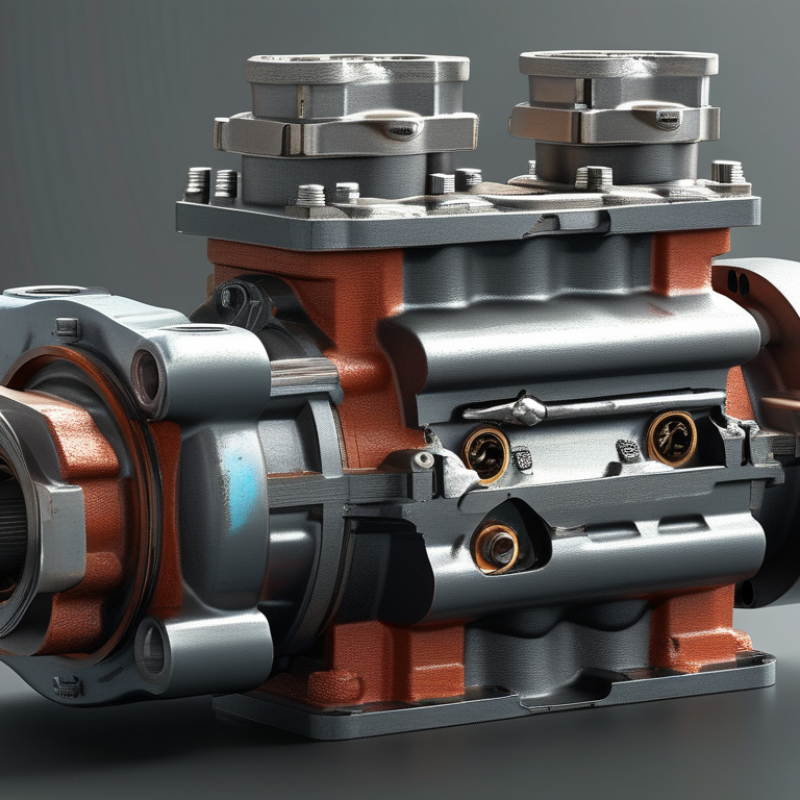
Pump parts replacement is vital for maintaining efficient operations. Over time, wear and tear affect pump components. Regularly inspecting and replacing these parts can prevent costly breakdowns. Neglecting this aspect may lead to reduced performance or even total failure.
Consider focusing on key pump components, such as seals, impellers, and bearings. These parts often wear out faster. Investing time in routine checks can extend the life of the entire pump system. Remember, a reliable pump enhances productivity and saves money in the long run.
Here are some tips for effective pump maintenance:
Pump parts replacement is critical for maintaining system efficiency. When components wear out, they can lead to increased energy consumption. This inefficiency can raise operational costs significantly. Timely replacement prevents small issues from escalating into major failures, which can disrupt operations.
Regular maintenance checks can help identify worn parts. Not everyone follows a strict schedule for these checks. Some may overlook minor leaks or unusual noises until they become serious problems. A proactive approach ensures smooth operation and minimizes unexpected downtime. It's not just about replacing parts; it's about ensuring the entire system functions optimally.
In industrial settings, a malfunctioning pump can halt production. This reality highlights the need for vigilance. Investing in timely pump part replacements ultimately secures a more reliable and efficient operation. Little attention to detail can result in costly repairs or inefficiencies. Regularly assessing your equipment makes a notable difference.
| Part Name | Replacement Frequency (Hours) | Impact on Efficiency (%) | Cost of Replacement ($) | Consequence of Delay |
|---|---|---|---|---|
| Impeller | 500 | 15 | 150 | Reduced flow rate |
| Seals | 300 | 10 | 80 | Leakage |
| Bearings | 1000 | 20 | 200 | Increased vibration and noise |
| Volute | 750 | 12 | 170 | Flow irregularities |
| Suction Strainer | 600 | 18 | 120 | Blockage and cavitation |
When it comes to pump maintenance, recognizing the signs that indicate a need for pump parts replacement is crucial. One common sign is unusual noises. If the pump starts making grinding or rattling sounds, this could mean internal damage. Ignoring these sounds may lead to more severe issues. Vibrations can also signal problems. Excessive vibrations may indicate worn bearings or misalignment, which can reduce efficiency.
Another clear indicator is decreased performance. If the pump isn't moving fluids effectively, it may be time to check for wear on the impeller or other critical parts. Leakage is another warning sign. Fluid seeping from the pump not only reduces efficiency, but it can also pose safety hazards. Additionally, if filters or screens are clogged frequently, this might point to deeper issues within the system.
Timely recognition and action regarding these signs can prevent larger failures. Regular inspections can provide insights into the health of pump components. Pump parts replacement is not just about fixing an issue; it's about ensuring reliable operation. Working with experienced technicians can help identify problems early. Prioritizing pump maintenance can lead to long-term savings and efficient operations.
Replacing pump parts is crucial for maintaining optimal performance and safety. A poorly maintained pump can lead to inefficiencies, causing energy costs to rise. According to industry reports, improper pump maintenance can inflate operating costs by up to 30%. Effective replacement requires a step-by-step approach.
Start by gathering necessary tools and safety gear. Ensure you have a clear workspace free from obstacles. Document the pump’s assembly to avoid confusion during reinstallation. When removing worn parts, carefully inspect surrounding components for additional wear. Regular checks can prevent future issues.
Tip: Always verify specifications before replacements. Mismatched components can lead to failure.
Reinstalling parts requires precision. Align components to prevent operational issues. Tighten connections gradually to avoid over-torquing, which can cause leaks. Many experienced technicians recommend replacing seals and gaskets during reassembly for added integrity.
Tip: Don’t rush the process. Take breaks if needed to ensure focus.
Maintaining a pump can be daunting, yet it is rewarding. Remember to keep records of maintenance actions. Data can reveal patterns that indicate when to replace parts proactively. A proactive approach can drastically reduce downtime.
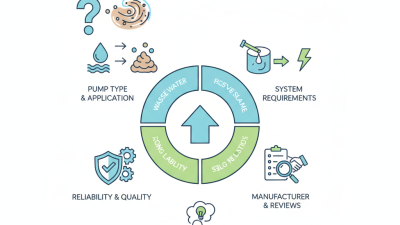
Choosing the right replacement parts for optimal pump performance is critical for maintaining efficiency. Pumps play a vital role in various industrial processes. If parts are not compatible or of poor quality, issues arise. This can lead to costly downtimes and repairs.
Understanding the specifications of your pump is essential. Not all replacement parts are created equal. Even minor differences can impact performance. Certain materials may withstand certain conditions better than others. It’s important to consider factors like temperature and pressure ratings.
Many operators overlook the importance of returning to the manufacturer’s recommendations. Sometimes, using alternatives seems convenient. However, these choices can compromise the reliability of the pump. Continuous evaluation of pump performance can help identify the right parts. Regular maintenance checks can also uncover areas needing attention. This awareness leads to informed decisions during replacements.