Industrial Pump Repair Canada - Pump and Seal Repair and Replacement Services
ISO 9001 Certified
Industrial Pump Repair Canada - Pump and Seal Repair and Replacement Services
ISO 9001 Certified
Pump failure analysis is a critical aspect of ensuring operational reliability in various industries. Understanding the root causes of pump failures can drastically reduce downtime and maintenance costs. To achieve this, professionals must employ effective techniques that provide insight into the failures' mechanisms.
Many organizations struggle with pump reliability. Common issues include design flaws, material fatigue, and improper installation. These factors contribute to unexpected failures, leading to costly interruptions. Engaging in pump failure analysis helps to identify these weaknesses. Techniques that we will discuss offer structured approaches to examining failures. They promote a systematic review of incidents and foster knowledge sharing among teams.
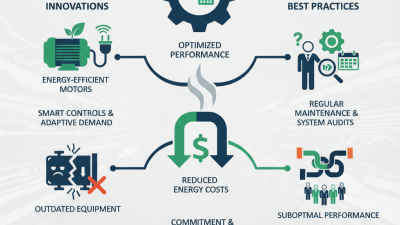
Optimizing pump performance requires a commitment to learning from past mistakes. Understanding why pumps fail not only improves designs but can also enhance operational practices. Embracing failure analysis encourages a proactive mindset. This shift can lead to innovative solutions that ultimately protect investments and ensure efficient operations.
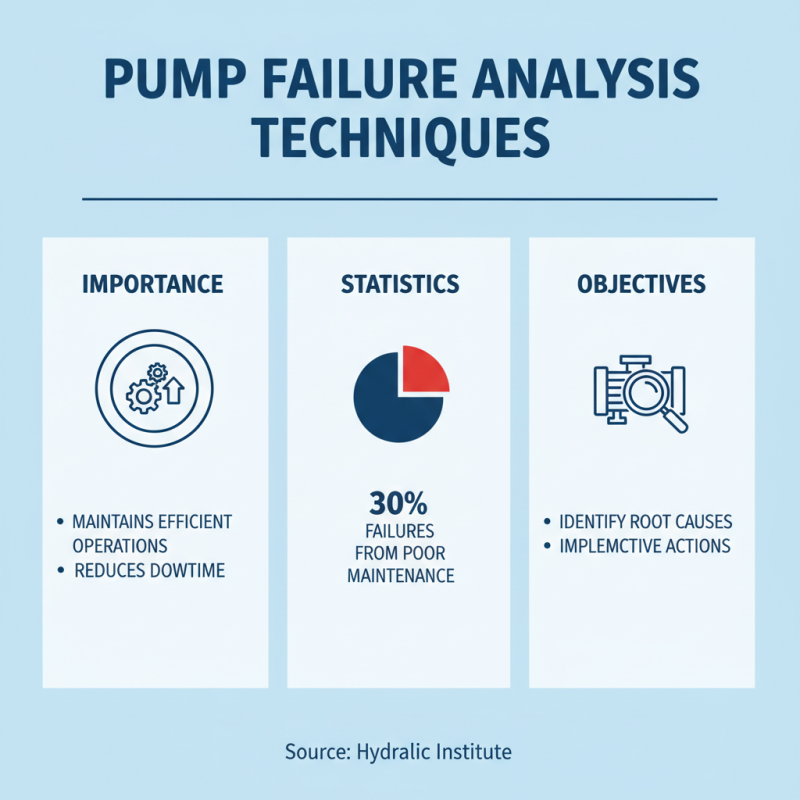
Pump failure analysis is crucial for maintaining efficient operations in various industries. An estimated 30% of pump failures result from poor maintenance practices, according to the Hydraulic Institute. Effective analysis techniques allow engineers to identify root causes and implement corrective actions swiftly.
There are several strategies to probe pump failures. Vibration analysis detects imbalances and misalignments early. Thermography detects overheating components, potentially preventing catastrophic failures. Additionally, root cause analysis (RCA) seeks to uncover underlying issues rather than merely addressing symptoms. The Institute of Mechanical Engineers highlights that RCA can reduce failure recurrence by over 40%.
Data collection and trend analysis are essential in developing a comprehensive understanding of pump behavior. Periodic inspections should accompany real-time monitoring systems. A study by the American Society of Mechanical Engineers found that predictive maintenance can cut downtime by up to 25%. However, reliance solely on technology can lead to complacency. Balancing data-driven approaches with hands-on inspections remains key to effective pump management.
Understanding pump failures is crucial for effective maintenance strategies and operational efficiency. According to a report from the Hydraulic Institute, up to 30% of industrial pumps experience failures that could have been prevented through better analysis. By grasping the underlying causes of these failures, companies can reduce downtime and save on repair costs. Preventive measures, based on thorough analyses, can lead to significant cost savings and improved reliability.
A study from the American Society of Mechanical Engineers highlights that improper installation is a frequent cause of pump failures, accounting for approximately 40% of cases. This statistic underscores the need for accurate installation procedures. Additionally, regular monitoring and data collection can identify potential issues early. Data analytics reveals patterns that may not be apparent through casual observation. Small changes in pressure or vibration could indicate larger concerns.
The importance of understanding these failures cannot be overstated. Reports suggest that businesses lose millions annually due to unscheduled downtimes. Regular training for staff can equip them with the skills needed for timely interventions. Knowledge transfer is key in minimizing risks associated with pump operation. An informed workforce is less likely to overlook warning signs. Fostering a culture of continuous improvement can lead to more informed decision-making regarding pump maintenance.
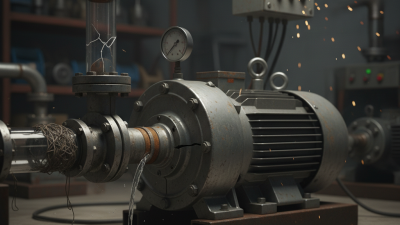
Pumps are critical components in numerous industrial systems. However, they often face failures that stem from various causes. Understanding these causes helps in diagnosing problems effectively. Mechanical issues, such as worn bearings or seals, frequently lead to pump failures. When components wear down, the pump's efficiency declines.
Another common cause is cavitation, which occurs when the pressure inside the pump drops below vapor pressure. This can create vapor bubbles. When these bubbles collapse, they can damage the pump's impeller and housing. Regular monitoring of pressure levels can help prevent this issue.
Inadequate maintenance is also a significant contributor. Neglecting routine checks like lubrication and cleaning can lead to severe performance issues. Operators must prioritize maintenance tasks to ensure reliability. Attention to detail can make a difference. Identifying and addressing these causes early provides better insights into pump performance.
Pump failure analysis is essential for maintaining operational efficiency. Following a structured approach can uncover the root causes of failures. A study by the American Society of Mechanical Engineers (ASME) highlights that improper installation leads to over 50% of pump failures. This statistic emphasizes the need for meticulous examination in that area.
Initiating a failure analysis should begin with data collection. Document pump specifications, operating conditions, and any unusual performance indicators. The Equipment Reliability Institute notes that nearly 40% of failures are linked to shifting parameters. By comparing current data with historical performance, anomalies can be identified. In this phase, visual inspections also play a vital role. They help reveal visible wear and tear that might indicate deeper issues.
Next, investigating the operational environment is critical. Factors like temperature, humidity, and vibration levels can severely impact pump performance. For instance, excessive vibrations can cause misalignment, leading to premature wear. Industry reports reveal that 30% of pump failures occur due to environmental stressors. A thorough understanding of these factors can guide maintenance practices. This step requires both field experience and analytical techniques to ensure comprehensive evaluation.
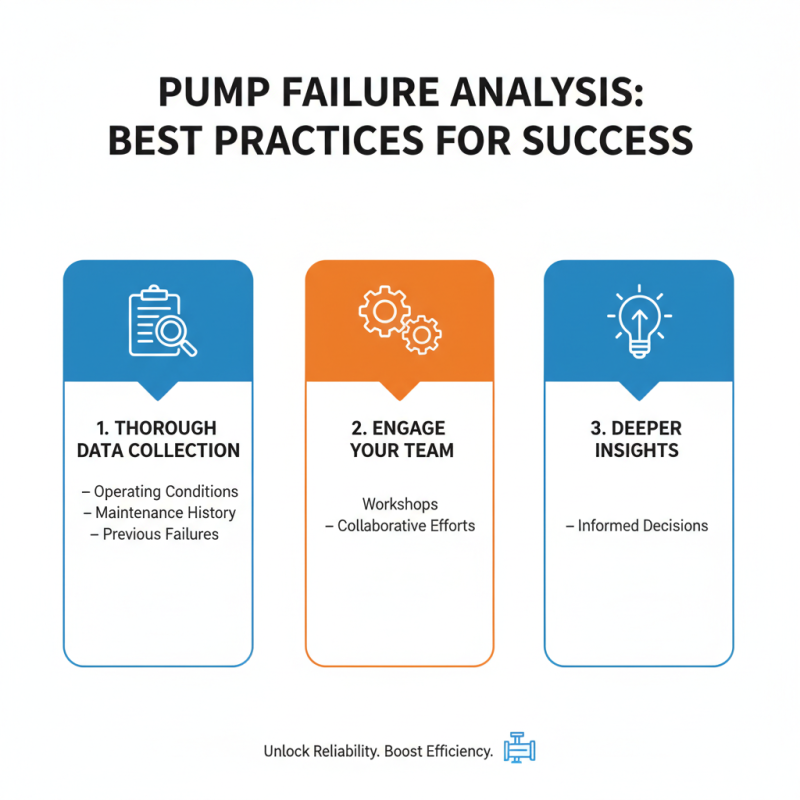
When implementing pump failure analysis techniques, best practices are crucial for success. Start with thorough data collection. Record operating conditions, maintenance history, and any previous failures. This data will form the backbone of your analysis. Engage your team in workshops to discuss these findings. Collaborative efforts often lead to deeper insights.
Consider adopting a structured approach. Techniques like Root Cause Analysis and Failure Mode Effects Analysis can offer clarity. However, reflect on their limitations too. These methods require skilled personnel. If not applied correctly, they can misguide you. Encourage team members to share their personal experiences with failures. This practice will create a culture of learning and improvement.
Documentation plays a vital role. Maintain detailed records of the analysis process. This helps in tracking progress and understanding recurring issues. Regularly review these documents to identify patterns. Foster an environment where questions are welcomed. This openness can unearth hidden problems. Emphasizing continuous learning will ultimately refine your analysis techniques and enhance your team’s skills.