Industrial Pump Repair Canada - Pump and Seal Repair and Replacement Services
ISO 9001 Certified
Industrial Pump Repair Canada - Pump and Seal Repair and Replacement Services
ISO 9001 Certified
China has become a major sourcing base for diaphragm pump systems used in chemical processing, wastewater treatment, mining, food production, and pharmaceuticals. The country offers broad manufacturing capacity, from compact air-operated pumps to engineered dosing and transfer packages. However, factory volume does not automatically prove engineering quality. It is an important distinction.
Industry research supports this market direction. MarketsandMarkets’ Diaphragm Pumps Market studies identify chemical processing, water treatment, and pharmaceutical production as key demand sectors. Grand View Research also reports continued growth in diaphragm pump applications, driven by fluid handling, automation, and stricter process requirements. Exact market values differ between reports, partly because suppliers classify pump assemblies differently. That variation deserves attention.
A reliable comparison of China’s top diaphragm pump systems manufacturers should examine more than catalog prices. Technical experience matters at the pump skid, not only in the brochure. Buyers should review wetted materials, diaphragm life, flow accuracy, pressure stability, air consumption, and spare-part availability. A pump moving abrasive slurry needs different protection from one handling sterile liquid. Small details matter. Look for ISO 9001 systems, documented factory testing, traceable materials, and application references that can be verified. Manufacturers with API, CE, ATEX, or food-contact capabilities may suit specific projects, but certification must match the actual model and destination market. No shortlist is perfect. Performance data can also change under real viscosity, temperature, and suction conditions. This guide therefore focuses on practical evidence, documented engineering capability, and transparent after-sales support when identifying China’s leading diaphragm pump systems manufacturers.
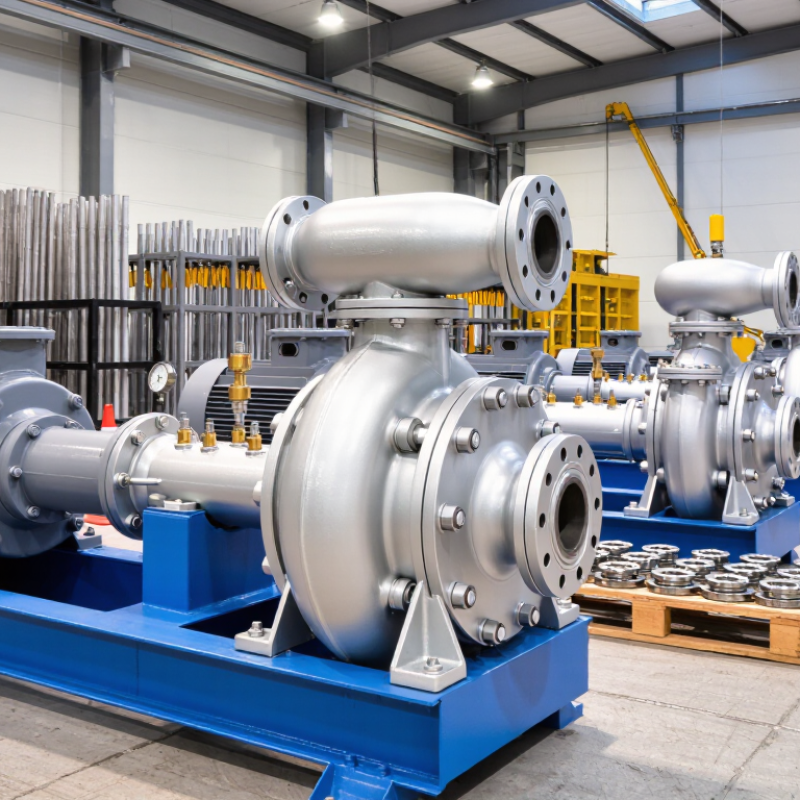
Diaphragm pump systems move fluids through a flexible membrane rather than a rotating impeller. An air, electric, or hydraulic actuator drives the diaphragm back and forth. This motion creates alternating suction and discharge cycles. Check valves control the flow direction. The fluid stays inside the wetted chamber, reducing leakage risks and contamination.
A reliable design begins with the fluid, not the pump size. Engineers should check viscosity, temperature, particle content, pressure, and chemical compatibility. For example, abrasive slurry may require reinforced diaphragms and hardened valve seats. A 2-inch inlet can still perform poorly if the suction pipe is too long or narrow. That detail is often missed.
During operation, the diaphragm moves backward and lowers chamber pressure. The inlet valve opens, allowing fluid to enter. The forward stroke raises pressure and closes the inlet valve. The outlet valve then opens. Pulsation remains a practical concern. A pulsation dampener, flexible connector, or variable-speed controller may improve stability. Field testing should record flow rate, discharge pressure, air consumption, vibration, and diaphragm temperature. These measurements reveal problems better than catalog figures alone. Chinese manufacturers can be evaluated through material certificates, pressure testing records, spare-part support, and documented quality procedures. However, documentation is not proof of perfect performance. Installation conditions still matter.
Comparing Chinese diaphragm pump system manufacturers requires more than checking catalog flow rates. In field evaluations, I look at stable output under changing air pressure, not just peak performance. Ask for tested flow, discharge pressure, cycle rate, and air consumption. Small differences become costly in continuous operation. Request test curves for the exact model. Generic tables can hide important limits. Numbers need context.
Pump materials must match fluid temperature, abrasiveness, and chemical exposure. Polypropylene, PVDF, aluminum, and stainless steel behave differently in real service. Check diaphragm and valve materials separately. A supplier should explain compatibility, not simply promise resistance. I also inspect casting quality, fastener finish, leak-test records, and spare-part consistency. Photos help, but samples tell more. A practical trial should run several cycles with the intended fluid. It may reveal pulsation, noise, or uneven priming. I have learned that a polished sample can still disappoint. That is worth admitting.
Reliable manufacturers provide traceable inspection documents, clear tolerances, and repeatable assembly procedures. Look for pressure testing, serial tracking, and evidence of corrective action after failures. Certifications matter only when they match the destination market and actual product configuration. Ask who handles warranty claims, replacement diaphragms, and technical questions after shipment. Response time is a performance criterion. Compare lead times honestly, including tooling and custom fittings. A low purchase price may conceal short diaphragm life or difficult maintenance. Before selecting a long-term partner, compare two or three production samples under identical conditions. Keep the test data. Recheck it later.
China’s leading diaphragm pump system manufacturers serve chemical processing, water treatment, food production, and general industrial transfer. Their specialties differ by material, pressure range, and control method. Some focus on air-operated double-diaphragm pumps for abrasive liquids. Others develop electric systems for steady dosing and lower energy use.
Experienced manufacturers often offer polypropylene, PVDF, aluminum, and stainless-steel pump bodies. PTFE or reinforced rubber diaphragms support different temperature and chemical requirements. Precision machining improves sealing around the diaphragm chamber. Reliable suppliers also provide flow testing, pressure testing, and material traceability. These records help engineers verify performance before installation.
Small details matter.
System integration is another important specialty. Leading factories can match pumps with filters, pulsation dampers, sensors, valves, and control cabinets. Custom skid systems may reduce installation time at crowded production sites. However, a catalog rating is not field proof. No supplier is perfect. Buyers should request test data using similar fluids and operating cycles. Some published flow values assume ideal conditions, which may not match real pipelines. A careful technical review should examine viscosity, suction lift, particle size, air quality, and maintenance access. Clear drawings and responsive engineering support often reveal more than a polished brochure.
China Top Diaphragm Pump Systems Manufacturers?
Diaphragm pump systems serve chemical processing, wastewater treatment, food production, mining, and oil-free laboratory work. In chemical plants, they move corrosive liquids through lined pipes and sealed transfer stations. Wastewater sites often handle sludge containing grit, fibers, and changing solids levels. Food facilities require hygienic surfaces and easy cleaning between batches. Each application creates different pressure, flow, and material demands.
In field commissioning, I have seen pumps selected by flow rate alone. That shortcut often causes unstable performance. Review suction lift, liquid viscosity, particle size, temperature, and daily operating hours. A pump handling abrasive slurry may need reinforced diaphragms and larger passages. A food-grade system may require polished contact surfaces and drainable piping. Air consumption also matters. Poorly sized air lines can reduce output and increase operating costs. Manufacturers should provide test data, spare-parts guidance, and clear maintenance procedures. Claims without operating conditions deserve careful questioning.
Tips: Ask for a complete system drawing, not only a pump datasheet. Confirm wetted materials with the actual chemical concentration and temperature. Check whether the control system supports stall detection and cycle monitoring. Leave room for inspection. This is often overlooked. Before purchasing, request a factory performance test using conditions close to your process. Real conditions may differ, and that difference can expose weak assumptions.
| Industry Application | Recommended Diaphragm Pump System | Typical Flow Range | Typical Discharge Pressure | Suitable Fluids | Preferred Wetted Materials | Important Selection Considerations |
|---|---|---|---|---|---|---|
| Chemical Processing | Air-operated double-diaphragm system with grounded piping and chemical-resistant air controls | 10–500 L/min | Up to approximately 8 bar | Acids, alkalis, solvents, additives, corrosive liquids | PTFE, polypropylene, PVDF, stainless steel, Hastelloy where required | Check chemical compatibility, vapor pressure, static-control requirements, and whether the fluid contains abrasive solids. |
| Water and Wastewater Treatment | Pneumatic diaphragm transfer or dosing system with pulsation dampener and isolation valves | 5–300 L/min | 3–7 bar | Polymers, coagulants, disinfectants, sludge, contaminated water | Polypropylene, PVDF, elastomers selected for the chemical, stainless steel | Evaluate solids concentration, particle size, shear sensitivity, dry-run frequency, and cleanability. |
| Paint, Coatings, and Inks | Low-pulsation diaphragm supply system with solvent-compatible diaphragms and pressure regulation | 2–150 L/min | 2–6 bar | Water-based coatings, solvent-based paints, inks, pigments, resins | PTFE, acetal, stainless steel, solvent-resistant elastomers | Prioritize smooth flow, low shear, explosion-risk controls, solvent compatibility, and easy color-change cleaning. |
| Food and Beverage Processing | Sanitary diaphragm transfer system with hygienic fittings and drainable product passages | 5–250 L/min | 2–6 bar | Syrups, flavorings, oils, liquid food ingredients, viscous concentrates | 316L stainless steel, food-grade PTFE, EPDM or FDA-compliant elastomers | Confirm hygienic design, surface finish, clean-in-place requirements, temperature limits, and certification needs. |
| Mining and Mineral Processing | Heavy-duty pneumatic diaphragm system with abrasion-resistant diaphragm and reinforced air valve | 20–600 L/min | Up to approximately 8 bar | Slurry, tailings, mine water, abrasive suspensions, drilling fluids | Aluminum, stainless steel, ductile iron, natural rubber, reinforced elastomers | Size the pump for solids loading, abrasion rate, suction lift, hose diameter, and available compressed-air capacity. |
| Oil, Gas, and Petrochemical | ATEX-conscious pneumatic diaphragm system with conductive components and emergency shutoff | 10–400 L/min | 3–8 bar | Fuel additives, hydrocarbons, oily wastewater, lubricants, process chemicals | Conductive PTFE, stainless steel, aluminum, hydrocarbon-resistant elastomers | Review hazardous-area classification, grounding, seal compatibility, temperature, vapor pressure, and leak containment. |
| Pharmaceutical and Biotechnology | Sanitary low-shear diaphragm system with controlled pulsation and validated cleaning procedures | 1–100 L/min | 1–5 bar | Buffers, media, active ingredients, purified water, viscous formulations | 316L stainless steel, PTFE, EPDM, silicone, other validated materials | Consider product sterility, extractables, surface finish, dead-leg minimization, validation, and batch traceability. |
| Printing and Packaging | Compact diaphragm metering or transfer package with flow regulator and optional electronic monitoring | 0.5–80 L/min | 2–5 bar | Water-based inks, adhesives, coatings, cleaning liquids | Polypropylene, acetal, PTFE, stainless steel, compatible elastomers | Focus on repeatable flow, compact footprint, quick maintenance, low pulsation, and compatibility with cleaning agents. |
Choosing China’s top diaphragm pump systems manufacturers requires more than comparing prices. Quality should be visible in daily production details. Look for ISO 9001-based processes, material traceability, pressure testing, and documented leak inspections. Each pump should carry a clear serial number and inspection record.
Customization often decides whether a system performs smoothly. Experienced manufacturers can adjust flow rate, discharge pressure, diaphragm materials, motor specifications, and control interfaces. They should also review the pumped medium, temperature, viscosity, and installation environment before suggesting a design. Small details matter. A chemically resistant diaphragm may prevent early failure, while the wrong valve material can create repeated maintenance problems.
After-sales support deserves equal attention. Reliable suppliers provide installation guidance, operating manuals, spare-parts planning, and practical troubleshooting. Ask about response times, technician availability, warranty coverage, and training for local operators. A useful supplier can explain failure causes through pressure readings, noise changes, or diaphragm wear patterns. Remote support is helpful, but it cannot replace skilled field service in every situation. No manufacturer gets every project perfectly right. The stronger ones admit design limits and record corrective actions. That honesty is often more valuable than impressive promises. Nakne