Industrial Pump Repair Canada - Pump and Seal Repair and Replacement Services
ISO 9001 Certified

Industrial Pump Repair Canada - Pump and Seal Repair and Replacement Services
ISO 9001 Certified
Choosing reliable booster pump systems suppliers can shape a project’s pressure stability, energy use, and maintenance costs. For global buyers, China offers a broad manufacturing base, from compact residential units to skid-mounted industrial packages. However, supplier selection requires more than comparing catalog prices.
This guide introduces ten notable Chinese suppliers serving international markets. It considers manufacturing experience, product range, customization capability, quality controls, and export support. Practical details matter. A supplier should explain pump curves clearly, provide motor data, and match materials with water quality and operating temperature. Factory testing, inspection records, warranty terms, and spare-parts availability also deserve close attention.
Field experience often reveals the difference. A system that performs well in a clean showroom may struggle with fluctuating demand, narrow installation spaces, or unstable inlet pressure. Buyers should request project references and ask how suppliers handled vibration, noise, control-panel faults, or delayed components. Certifications can support trust, but documents alone do not prove dependable performance.
No ranking is flawless. Supplier capabilities change, and local service conditions vary. Some companies may excel in customization but offer limited overseas support. Others may provide fast delivery but fewer engineering options. Careful verification remains essential. By comparing technical evidence with real customer feedback, international buyers can identify booster pump systems that fit their water networks, budgets, and long-term operating goals. The strongest choice is not always the cheapest one. It is the partner that communicates clearly, tests honestly, and responds when conditions become difficult.
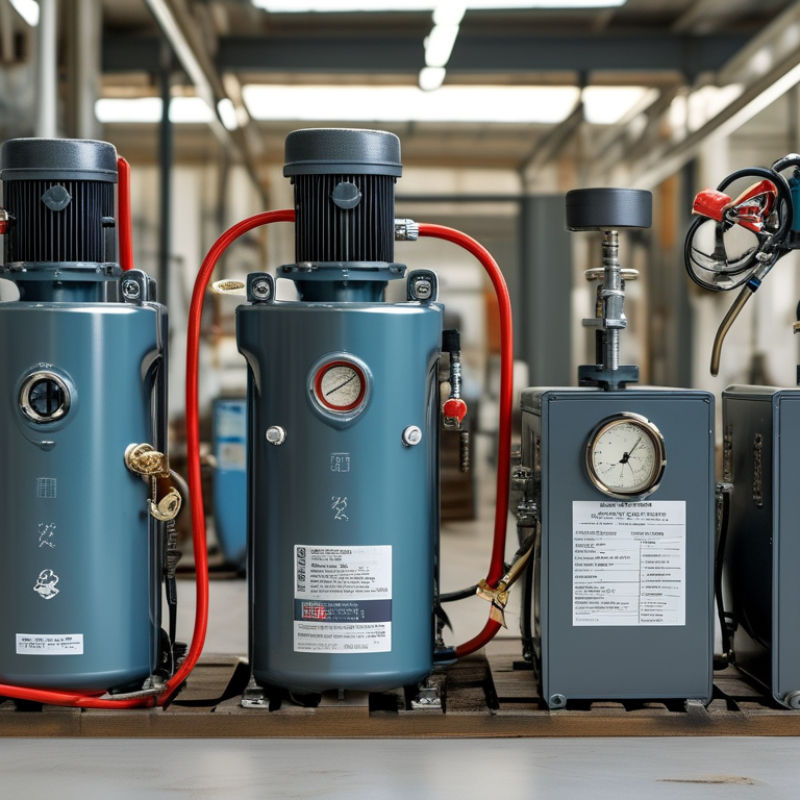
A booster pump system increases and stabilizes water pressure when a supply line cannot meet demand. It usually combines one or more pumps, pressure sensors, valves, a control panel, and sometimes a storage tank. The system starts when pressure drops, then adjusts output as people open or close taps. Pressure is only part.
In apartment buildings, the upper floors may receive weak flow during morning use. A correctly sized booster system can deliver steady water to showers, kitchens, and fire-related service lines. Farms use similar equipment for irrigation zones. Hotels and factories depend on stable pressure for cleaning, cooling, and production equipment. Small details matter. Pipe length, elevation, peak flow, water temperature, and electricity quality all affect performance.
From field inspections, poor sizing remains a common problem. An oversized pump may create noise, rapid cycling, seal wear, and unnecessary energy use. An undersized unit may run continuously and still fail at busy hours. Reliable selection starts with measured flow and pressure data, not guesses. Buyers should also check material compatibility, control protection, maintenance access, spare parts, and local electrical requirements. I have seen a system perform well in testing but struggle after installation because the inlet pipe was too narrow. That lesson is easy to miss. Good engineering includes the pump, the piping, the controls, and the people who maintain them.
Evaluating China’s booster pump system suppliers requires more than comparing quotations. The U.S. Department of Energy reports that pumping systems may consume 25–50% of industrial facility energy. Ask suppliers to provide verified pump curves, motor efficiency data, and measured performance at your actual duty point. A low purchase price can hide higher operating costs.
Check whether the supplier follows ISO 9906 testing practices and uses traceable materials for pressure vessels, shafts, seals, and control panels. Request factory acceptance test records, calibration certificates, and serial-number tracking. Review the supplier’s experience with similar water quality, pressure ranges, and climate conditions. The International Energy Agency reports that electric motor systems use about 53% of global electricity, so variable-speed control deserves careful evaluation. It can reduce energy use, but only when correctly sized. Paper compliance is not proof.
Tips: Request three recent project references and contact them directly. Confirm response times for spare parts and remote troubleshooting. Inspect the production line if possible, including winding, welding, balancing, and final testing. Do not accept a generic efficiency claim without the test standard, test point, and instrument accuracy. A practical weakness remains common: buyers often assess the pump, but neglect the complete system, including suction piping, sensors, valves, and control logic. Compare lifecycle cost over five years, not only the initial invoice.
China’s Top 10 Booster Pump Systems Suppliers deserve careful evaluation, not quick assumptions. This supplier group serves commercial buildings, municipal networks, factories, and agricultural projects. Selection should consider flow range, pressure stability, motor efficiency, control panels, and after-sales response. The International Energy Agency reports that motor-driven systems consume nearly half of global electricity. Efficient pump controls can therefore reduce operating costs and unnecessary energy loss.
A practical top-ten review should examine factory testing, hydraulic performance curves, ISO-based quality systems, and export documentation. TÜV and other testing organizations stress traceability, electrical safety, and verified performance in industrial equipment. Supplier experience also matters. A team that understands variable water demand can size pressure tanks and frequency drives more accurately. However, published efficiency figures may not match field conditions. That deserves honest checking.
Tips: Request a complete test report, not only a catalogue figure. Compare efficiency at your actual duty point. Ask for spare-parts lead times and remote troubleshooting procedures. Confirm materials for corrosion, temperature, and water quality. A pilot installation is useful, but often overlooked. Reports from the World Bank and UN-Water continue to highlight rising pressure on reliable water infrastructure. This makes stable booster systems increasingly important. Still, the “top 10” label should remain flexible, because project risk, service coverage, and local compliance can change the ranking.
Reference flow capacities commonly specified for booster pump systems by application
The chart presents anonymous, application-level reference capacities rather than company or brand data. Actual specifications vary according to pressure requirements, pump configuration, building size, and water demand.
For global buyers comparing China’s top ten booster pump system suppliers, product fit matters more than catalogue size. Vertical multistage units suit high-rise buildings and narrow plant rooms. Horizontal systems often simplify maintenance. Variable-frequency drives can reduce throttling losses, but savings depend on duty cycles and correct commissioning. The U.S. Department of Energy notes that motor-driven systems consume roughly half of global electricity, making efficiency a practical purchasing concern. Ask each supplier for pump curves, noise data, materials, control logic, and tested efficiency at your operating point.
Certifications need careful checking. ISO 9001 supports process control, but it does not prove pump performance. Request valid certificates, test reports, serial-number traceability, and factory acceptance testing. Export-ready suppliers should understand CE requirements, IEC electrical practices, and destination-specific rules such as EAC or SASO. SGS’s 2023 sustainability reporting shows why supply-chain verification and documented environmental practices are becoming more important to industrial buyers. Still, paperwork can be incomplete. I would verify certificate scopes directly with the issuing body.
Service capability often separates the strongest candidates. Compare engineering response times, remote troubleshooting, spare-parts availability, installation guidance, and warranty exclusions. The International Energy Agency reports that electric motor systems represent a major global efficiency opportunity, so commissioning support deserves a line in the contract. Export experience should include seaworthy packaging, multilingual manuals, stable lead times, and references from similar climates. A supplier may offer an attractive price yet lack local support. That weakness is easy to overlook. My comparison would remain imperfect without checking after-sales records and real project evidence.
Global buyers choosing among China’s top booster pump system suppliers need more than a low quotation. The right partner should prove stable flow control, pressure performance, and dependable after-sales support. Ask for factory records, test reports, and project references from similar applications. A supplier serving hotels may not understand irrigation, process water, or high-rise pressure zones. That difference matters.
During supplier audits, inspect assembly areas, calibration tools, spare-parts storage, and quality checkpoints. Request a live performance test using your required flow rate and head pressure. Experienced buyers should also verify motor efficiency, controller compatibility, noise limits, and installation guidance. Do not trust polished brochures alone. Confirm certifications, inspection procedures, export packaging, and documentation before signing a purchase agreement.
Tips: Compare at least three technical proposals. Check warranty exclusions in writing. Ask who handles urgent service requests. Use a weighted score for price, performance, delivery, documentation, and support. Field experience shows that small details can delay commissioning, including voltage differences, metric fittings, or missing control wiring. A practical evaluation is never perfect; many buyers, including experienced teams, may overvalue price and undervalue response time. Request clear communication schedules and named technical contacts. Reliable suppliers explain limitations honestly, rather than promising every result without evidence.