Industrial Pump Repair Canada - Pump and Seal Repair and Replacement Services
ISO 9001 Certified

Industrial Pump Repair Canada - Pump and Seal Repair and Replacement Services
ISO 9001 Certified
Mechanical seal repair is crucial for maintaining the efficiency and longevity of various industrial systems. As machinery develops, so do the challenges associated with sealing technologies. In 2026, effective strategies must evolve to address these challenges. Properly understanding mechanical seals can enhance their durability and reduce failures.
The repair process requires skilled technicians who can identify underlying issues. Accurate diagnosis is essential to prevent repetitive failures. Being familiar with materials and design variations aids in successful repairs. Additionally, awareness of environmental factors can influence seal performance.
Not all repairs will yield perfect results, and learning from mistakes is vital. Each repair offers an opportunity to improve techniques and methods. A continuous feedback loop helps refine the repair process. Thus, investing in training and staying updated on industry advancements ensures reliability in mechanical seal repair.
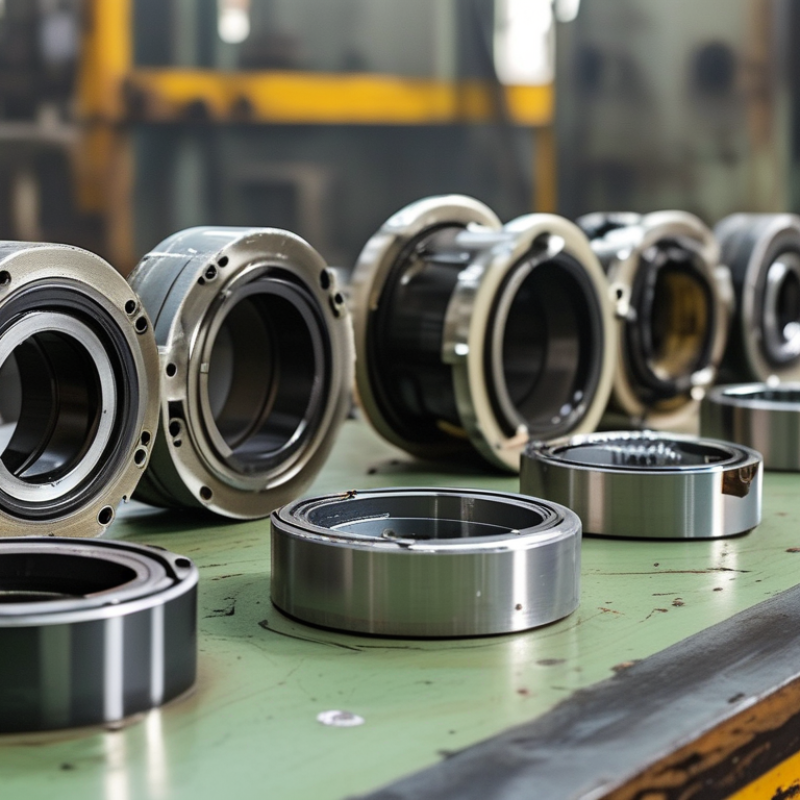
Mechanical seals are pivotal in various industrial applications. They serve to prevent leakage between rotating and stationary components. A thorough understanding of these devices is crucial for effective maintenance and repair. Their primary function is to maintain pressure while keeping contaminants out. Due to wear and tear, they may fail, leading to operational inefficiencies.
The structure of a mechanical seal includes a rotating face and a stationary face. When these two surfaces come into contact, they create a seal that minimizes leakage. Regular inspections can reveal issues like abrasions or misalignments. Operators should focus on signs of wear, such as unusual noise or fluid leakage. Some might overlook these signs, only to face costly repairs later.
Recognition of seal types is essential for successful repair. Mechanical seals are not one-size-fits-all. Each type has specific requirements and configurations. The mismatched seals can lead to failures. Collecting data from previous applications can be beneficial. Reflection on past repairs can guide future actions, ensuring continuous improvement in handling mechanical seals.
| Component | Function | Common Materials | Maintenance Tips |
|---|---|---|---|
| Seal Face | Prevents leakage between rotating and stationary parts | Ceramic, Carbon, Tungsten Carbide | Ensure proper surface finish and alignment |
| Spring | Applies pressure to maintain contact between the seal faces | Stainless Steel, Alloy | Check for fatigue or corrosion |
| Seal Housing | Holds the sealing components in place | Metal, Plastic | Inspect for cracks or wear |
| O-Ring | Provides additional sealing and prevents fluid bypass | Nitrile, Viton | Regularly replace to avoid leakage |
| Driving Pin | Connects the drive shaft to the seal | Steel | Ensure it’s securely fitted and functional |
Mechanical seals are vital in industrial applications. However, their failure can lead to significant downtime and costly repairs. Common causes of mechanical seal failures often stem from improper installation or misalignment. These issues can cause uneven wear and affect the seal's performance.
Another common reason is poor lubrication. Insufficient lubrication can lead to overheating and damage the seal. It's crucial to monitor the lubrication levels regularly. Dirt and contaminants can also compromise a seal, so maintaining a clean environment is important.
Inadequate maintenance is often overlooked. Regular inspections can identify potential issues before they escalate. Operators should reflect on their maintenance practices. A proactive approach can prevent unexpected failures. Recognizing these common causes is essential for effective repair and long-term reliability.
This bar chart illustrates the common causes of mechanical seal failures observed in various industrial applications in 2026. These failures can significantly impact operational efficiency and should be addressed promptly to minimize downtime.
Diagnosing mechanical seal issues requires a systematic approach. Start by inspecting the seal for visible wear, dirt, or corrosion. Look for signs of leakage around the sealing surfaces. This can indicate misalignment or improper installation. It's important to conduct these checks regularly to prevent major failures.
Pay attention to fluid conditions. The type of medium leaking can provide valuable insights. For example, if the fluid is coolant, the seal may be damaged due to temperature fluctuations. The presence of particles can also indicate wear. Always document your findings for future reference.
Avoid rushing through repairs. Take your time to clean the surfaces thoroughly. Consider wearing gloves to prevent contamination. Use a flashlight to detect any hidden cracks. It's not uncommon to overlook minor damages, which can escalate into costly problems later. Reflect regularly on your procedures and experiences to improve your approach.
Mechanical seals play a crucial role in maintaining equipment efficiency across various industries. Proper repair and replacement practices are vital in extending their lifespan and ensuring operational reliability. According to a report by the American Society of Mechanical Engineers, poor maintenance can lead to mechanical seal failure rates exceeding 30%. This statistic highlights the necessity of adopting best practices for repairs.
In repairing mechanical seals, it's essential to inspect all components thoroughly. Often, small issues like wear or dirt can escalate if ignored. Industry specialists recommend that seals should be replaced if wear exceeds 0.1 mm. Furthermore, understanding the material compatibility is crucial. Utilizing incompatible materials may result in premature failure, costing time and resources.
Successful repairs also depend heavily on skilled technicians. A study from the Journal of Engineering Maintenance revealed that training can reduce repair error rates by over 40%. This emphasizes the importance of ongoing education for maintenance teams. Reflection on past repair strategies can reveal areas for improvement. Embracing a culture of continuous learning can promote better outcomes in seal maintenance. Regular audits and feedback loops help identify recurring issues, guiding future repairs.
In 2026, mechanical seal technology is experiencing significant advancements. Modern materials are enhancing durability and resistance under various conditions. Reports from leading industry analysts indicate a projected growth rate of 5.7% in mechanical seal demand, driven by the evolving needs of sectors like oil and gas, and pharmaceuticals.
New repair techniques are emerging, focusing heavily on predictive maintenance. Real-time monitoring systems are enabling early detection of seal wear. This proactive approach not only minimizes downtime but also prevents catastrophic failures. Studies reveal that up to 30% of equipment failures can be directly linked to mechanical seal issues, underscoring the need for effective repair strategies.
However, challenges remain. Many technicians still lack access to adequate training on these new technologies. Without proper understanding, repairs might be rushed or improperly executed. The complexity of new materials may require innovative approaches to ensure integrity during repairs. Continuous training and adaptation are crucial to keep pace with technological advancements in mechanical seal maintenance.