Industrial Pump Repair Canada - Pump and Seal Repair and Replacement Services
ISO 9001 Certified
Industrial Pump Repair Canada - Pump and Seal Repair and Replacement Services
ISO 9001 Certified
Choosing high pressure pump systems requires more than comparing pressure ratings and purchase prices. A pump may reach the required pressure, yet still fail when flow demand changes. In real installations, fluid temperature, viscosity, pipe length, elevation, and operating cycles shape performance. A small inlet restriction can cause cavitation, vibration, and premature seal damage. These details matter.
This guide explains how to assess pump capacity, motor power, materials, controls, and maintenance needs. Engineers should confirm flow and pressure at the actual duty point, not only at the maximum rating. They should also check net positive suction head, fluid compatibility, relief protection, and electrical requirements. Stainless steel may suit corrosive water, while other fluids could require specialized alloys or sealing materials. Manufacturer data, recognized engineering standards, and documented field testing provide stronger evidence than sales claims alone.
The right choice also depends on the complete system. Pipes, valves, filters, tanks, sensors, and control panels must work together. An efficient pump cannot compensate for poor pipe design. Not every recommendation will fit every site. Even experienced teams can underestimate start-up loads or maintenance access. That deserves careful review. Ask how seals are replaced, how vibration is monitored, and whether spare parts remain available. A clear commissioning plan can reveal problems before production begins. Reliable selection is therefore a balance between technical calculations, operating experience, lifecycle cost, and honest risk assessment. The goal is not simply higher pressure. It is stable, safe, and measurable performance over years of service.
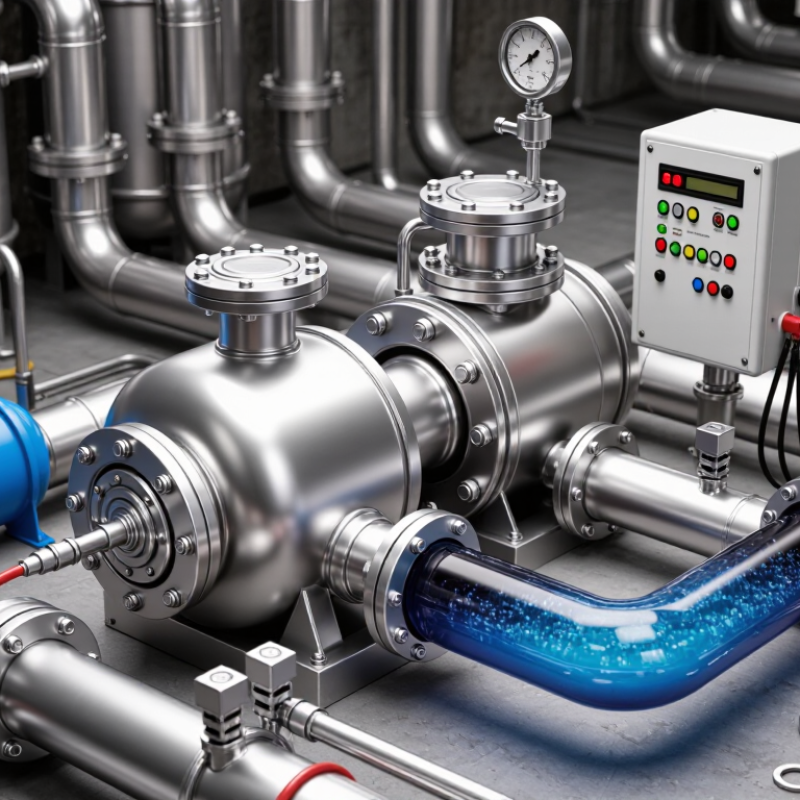
Choosing a high pressure pump system starts with precise operating data. Identify the required pressure at the pump outlet, not only the final equipment rating. Include pressure losses from pipes, filters, valves, elevation, and fittings. A system needing 300 bar at the tool may require a higher pump setting.
Flow requirements matter just as much. Calculate the volume needed per minute during normal operation and peak demand. An undersized pump may overheat or create unstable pressure. An oversized pump can waste energy and cause difficult control. I have seen projects fail because engineers used maximum flow instead of actual working flow. That assumption looked safe, but it increased operating costs.
The application also defines the correct pump construction. Check fluid viscosity, temperature, cleanliness, chemical compatibility, and duty cycle. Water, oil, and abrasive fluids place different demands on seals and internal materials. Confirm the motor, relief valve, gauges, and control system match the pressure range. Test the pump under realistic conditions, if possible. Laboratory data does not always reflect field piping.
Selecting a high-pressure pump starts with the process, not the pump catalog. Centrifugal pumps suit steady flow and lower viscosity fluids. Multistage designs add pressure efficiently when demand remains fairly stable. Positive displacement pumps, including plunger and diaphragm types, deliver accurate flow under high pressure. They also handle metering duties better.
The U.S. Department of Energy reports that optimized pumping systems can reduce energy use by 20% to 50%. That figure makes system design more important than equipment size.
Define flow, discharge pressure, fluid temperature, viscosity, and operating hours. Then check suction conditions carefully. Insufficient NPSH can cause cavitation, vibration, and early component damage. For variable demand, a variable-speed drive may reduce throttling losses. However, it can add control complexity and harmonic concerns. A relief valve, pulsation dampener, pressure gauge, and properly rated piping should match the pump’s maximum pressure, not its normal pressure.
Choose materials from actual fluid data. Water, chemicals, abrasive slurries, and high-temperature liquids require different sealing and corrosion strategies. The Hydraulic Institute emphasizes evaluating the complete pumping system, including pipes, valves, controls, and maintenance practices. A smaller pump is not automatically efficient. Oversizing is common, but so is trusting incomplete field data. Flow measurements may be wrong. Recheck them during real production. Allowing for future capacity can be sensible, though excessive reserve capacity often creates unstable operation and wasted energy.
How to Choose High Pressure Pump Systems?
Material selection should match the pumped fluid, pressure, and temperature. Stainless steel suits many clean-water applications and resists common forms of corrosion. Duplex alloys offer better resistance in salty or chemically aggressive environments. However, stronger metal is not always the best answer. It may increase cost, weight, and machining difficulty. Check seals, valves, and ceramic components too. A compatible casing cannot protect a weak internal part.
Power sources shape reliability and operating cost. Electric drives work well where stable voltage and frequent control are available. Hydraulic drives can deliver high torque in mobile or heavy-duty equipment. Pneumatic systems may suit hazardous work areas, but they often require treated compressed air. Measure actual flow and pressure, not only the motor rating. A pump running near its maximum limit may overheat, even when the specification appears acceptable. I have seen selection errors caused by ignoring startup loads and duty cycles.
Tips: Record fluid temperature, viscosity, solid content, and required runtime before comparing systems. Inspect the installation site for dust, moisture, noise limits, and ventilation. Leave space for maintenance. Small details matter. Ask for tested performance curves and material certificates from qualified suppliers. Verify that the selected pump maintains stable pressure at the expected flow rate. Conditions change. Seasonal temperatures, clogged filters, and worn seals can reduce performance, so the original calculation should be reviewed during commissioning.
Compare representative continuous pressure capabilities for commonly used wetted materials. Final selection should also consider the power source, fluid compatibility, temperature, flow rate, duty cycle, and safety requirements.
Representative engineering planning values: pressure capability varies with pump design, temperature, corrosion allowance, sealing arrangement, and applicable code. Stainless steel is suitable for many corrosive or hygienic fluids, duplex stainless steel provides higher strength and chloride resistance, carbon steel is economical for compatible non-corrosive fluids, and reinforced polymers are generally selected for lower-pressure chemical service.
Check corrosion resistance, temperature limits, erosion resistance, mechanical strength, and fluid compatibility.
Electric drives suit stable installations; diesel supports remote or backup operation; pneumatic and hydraulic drives are useful where electrical ignition risks or existing utilities matter.
Confirm required pressure, flow, suction conditions, fluid temperature, solids content, duty cycle, noise limits, and maintenance access.
A high-pressure pump should be selected around safety, control, maintenance, and installation conditions. Check the rated pressure, flow range, fluid temperature, and chemical compatibility. A pressure relief valve should protect the discharge line, while guards should cover couplings and rotating parts. The U.S. Department of Energy reports that pumping systems can consume up to 25% of electricity in industrial facilities. Poor control can therefore increase both risk and operating cost.
Controls need to respond smoothly. Variable-speed drives, pressure sensors, emergency stops, and alarms can prevent sudden pressure spikes. Place gauges where operators can read them without reaching across hot pipes.
The U.S. DOE Pumping System Assessment Tool indicates that system improvements may reduce pumping energy by 20% to 50%. However, savings depend on actual demand. A control panel that is too complex may create new mistakes.
Maintenance access is often underestimated. Leave room to remove seals, filters, and motor components. Install isolation valves and drain points near service areas. Keep a written inspection schedule for vibration, leakage, temperature, and pressure readings. ISO 4413 emphasizes risk reduction in hydraulic systems through proper design, installation, and maintenance. Field experience still matters. A technically correct pump can fail early when the foundation shifts, suction piping is undersized, or operators cannot reach the emergency stop. Specification reviews should challenge these assumptions.
A practical assessment begins with total cost, not the purchase price. Calculate energy use, installation labor, spare parts, inspections, and planned downtime. A pump drawing high current every shift may become expensive within months. Ask for performance data at your actual flow rate and pressure. Generic catalog figures can hide important operating limits.
Efficiency matters, but it should match the process. An oversized pump often wastes energy through throttling and frequent cycling. Measure the required pressure, fluid temperature, viscosity, and daily operating hours. Small details matter. For example, abrasive particles can accelerate seal and valve wear. I have seen systems selected correctly on paper but poorly matched to real site conditions. That mistake deserves honest review.
Reliability depends on maintenance access, component quality, protective controls, and operating discipline. Check service intervals and request documented test procedures. A dependable supplier should provide commissioning guidance, training, troubleshooting support, and accessible replacement parts. Response time also matters when production stops at midnight. Ask who handles urgent technical questions and what support is included after installation. Some suppliers promise broad assistance but provide vague answers. Treat that as a warning. Leave room for uncertainty, because actual water quality, operator habits, and seasonal demand can change the final result.