Industrial Pump Repair Canada - Pump and Seal Repair and Replacement Services
ISO 9001 Certified

Industrial Pump Repair Canada - Pump and Seal Repair and Replacement Services
ISO 9001 Certified
In the industrial landscape, ensuring pump reliability is critical for operational success. Choosing the right pump reliability solutions can significantly reduce maintenance costs and improve efficiency. Many global buyers struggle to find the most effective strategies and technologies. They often face challenges such as prolonged downtime and unexpected failures.
Reliable pumps are a cornerstone of various industries. However, achieving optimal performance requires careful consideration of several factors. Various solutions exist, but not all are tailored to every situation. It's essential for buyers to assess their specific needs and evaluate potential solutions.
Understanding the complexities of pump reliability solutions is vital for informed decision-making. While some solutions promise quick fixes, they may not address underlying issues. Buyers must remain cautious and conduct thorough evaluations. The pursuit of reliability in pumps is not just about prevention; it’s also about commitment to improvement and adaptation.
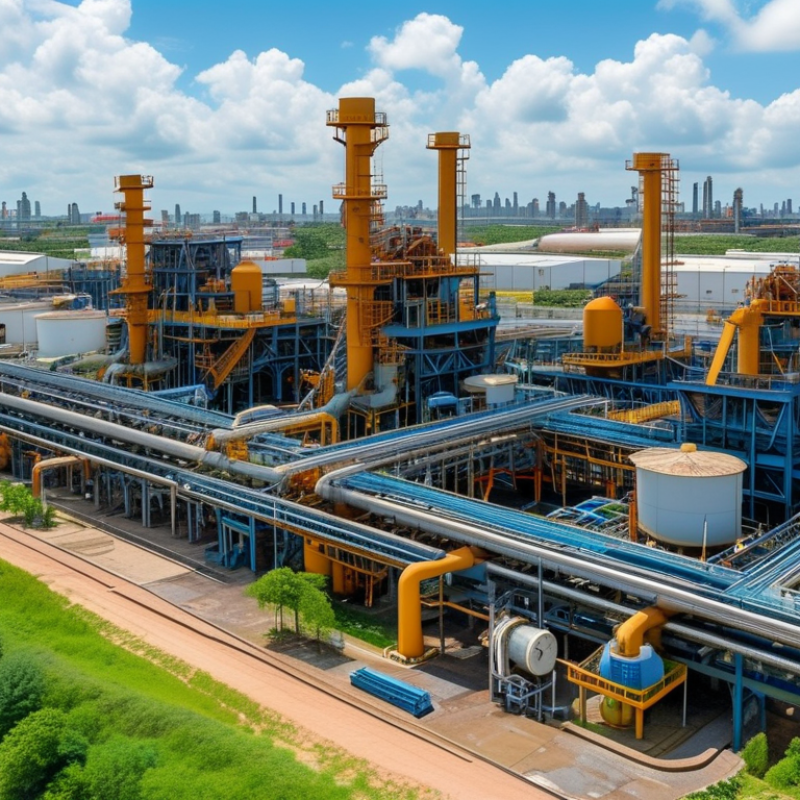
Pump reliability in industrial applications is critical. It directly affects operational efficiency and maintenance costs. According to a recent industry report, unplanned downtime can cost companies up to $250,000 per hour. This emphasizes the need for reliable pumping systems. Without proper reliability measures, businesses face unexpected failures, leading to production halts.
To enhance pump reliability, regular maintenance is essential. Regular checks can prevent minor issues from escalating. Monitoring key performance indicators helps identify potential failures early. Statistics indicate that predictive maintenance can reduce equipment failures by 30%. Having a checklist to ensure all components function optimally aids in maintaining pump health.
Consider investing in advanced monitoring technology. This technology can analyze performance data in real-time. Predictive analytics can forecast potential problems before they occur. Integrating such solutions could trigger an immediate response to faults, minimizing downtime. Frequent training for personnel also plays a crucial role. Empowering staff with the right skills ensures they can detect and address issues swiftly.
| Solution | Description | Benefits | Cost Impact | Implementation Time |
|---|---|---|---|---|
| Predictive Maintenance | Utilizing data analytics to predict failures. | Reduced downtime, extended lifespan of pumps. | High initial investment but lower long-term costs. | 3-6 months. |
| Quality Components | Using high-quality materials and parts. | Improved reliability and performance. | Higher procurement costs but greater reliability. | Immediate. |
| Regular Training | Educating workers on pump operations and maintenance. | Fewer operational errors, increased safety. | Low cost, high return on investment. | Ongoing. |
| Regular Inspections | Scheduled maintenance checks. | Early detection of issues. | Moderate cost for labor and materials. | 1-2 weeks. |
| Automation Technologies | Implementing automated monitoring systems. | Enhanced monitoring and real-time data. | Significant initial cost, savings in labor. | 6-12 months. |
| Fluid Management | Ensuring optimal fluid properties for operation. | Prevents damage and inefficiencies. | Moderate, depending on monitoring needed. | Ongoing. |
| Vibration Analysis | Analyzing pump vibration patterns. | Identifies misalignment or imbalance issues. | Costs associated with tools and analysis. | 1 month. |
| Seal and Bearing Upgrades | Installing advanced seals and bearings. | Extended service life and reliability. | Increased upfront cost. | Immediate. |
| Redundant Systems | Designing systems with backup pumps. | Ensures continuous operation. | High installation cost. | Long-term project. |
| Environmental Monitoring | Monitoring environmental factors affecting pumps. | Prevents external failures. | Moderate costs for monitoring systems. | Ongoing. |
Pump reliability is a vital concern for industries relying on fluid transport systems. Several key factors significantly affect the performance and longevity of pumps. System design, for instance, plays a crucial role. A well-designed system minimizes vibrations and pressure fluctuations, which can lead to mechanical failures over time. According to industry reports, nearly 30% of pump failures are associated with improper installation or system mismatches.
Material selection also impacts pump reliability. Pumps are often exposed to harsh environments and corrosive fluids. Using appropriate materials can dramatically reduce wear and tear. A study by a recognized engineering organization found that pumps made from advanced alloys can extend operational life by up to 50%. However, many companies still opt for traditional materials, leading to increased downtime and maintenance costs.
Regular maintenance practices are the backbone of pump reliability. Routine inspections can identify issues before they escalate. Yet, industry statistics reveal that around 40% of pumps fail due to a lack of maintenance. Organizations must prioritize proper upkeep. This approach not only enhances efficiency but also ensures that pumps operate at optimal performance. Balancing immediate costs with long-term benefits is crucial for effective pump management.
In the pursuit of enhancing pump reliability, innovation plays a crucial role. Advances in materials and technologies can significantly reduce wear and tear. Using non-corrosive materials extends the lifespan of pumps. Employing advanced seals prevents leaks, ensuring operational efficiency. Sensor technology can also provide real-time data, alerting users to potential issues before they escalate.
Consider proactive maintenance techniques. Regular inspections can reveal what's going wrong. Monitoring vibration patterns can detect misalignments early. This approach avoids costly downtime and maintains performance. Understanding the pump's operational environment is essential. Variations in temperature and pressure can impact reliability.
Redundancy is another valuable strategy. Implementing backup systems ensures continuous operation during failures. This is particularly relevant in critical applications. While redundancy increases costs upfront, it ultimately saves money through enhanced uptime. Regular training for staff is vital, too. Knowledgeable operators can spot irregularities and respond promptly, preventing bigger problems. Reliability is not just about the pump; it's about the people managing it.
Effective maintenance and monitoring practices are vital for pump reliability. Regular inspections can catch potential issues early. Scheduled maintenance reduces unexpected failures. Operators should use vibration analysis and thermal imaging. These tools can identify wear and overheating. Understanding normal operating conditions helps in recognizing anomalies.
Training personnel is also key. Experienced staff can spot issues that tools might miss. Engage teams in routine monitoring. Encourage them to document and report observations. This creates a culture of awareness around pump health. It’s important to allocate sufficient time for maintenance tasks. Rushing often leads to oversight.
Regularly updating maintenance protocols is crucial too. Technology evolves, and so should strategies. Revisiting procedures helps improve efficiency over time. Pumps may operate in diverse environments, each presenting unique challenges. Listening to feedback from operators can reveal areas for improvement. Reflection on past maintenance can spotlight what works and what doesn’t.
In the quest for improved pump reliability, several industries have reported significant gains through case studies. A notable report by the Hydraulic Institute revealed that organizations utilizing advanced monitoring systems saw a reduction in unplanned downtime by up to 40%. Real-time data collection allows for proactive maintenance, addressing issues before they escalate. For example, one petroleum company implemented a predictive maintenance program, which led to a 25% increase in equipment lifespan.
Another case involved a mining operation that adopted a comprehensive training program for staff. This initiative resulted in a 30% reduction in human error-related failures. The focus on operator competence contributed to optimal daily operations. Despite initial resistance, continual evaluation showed marked improvement in overall system reliability. Companies often miss the opportunity to invest in employee training, potentially undermining their reliability goals.
Lastly, a water treatment facility integrated an automated feedback control system. This investment provided real-time insights into pump performance. As a result, they decreased energy consumption by 15%. Yet, not every facility has enjoyed such success. Some struggled with integration challenges, emphasizing the need for careful planning and execution. Each implementation provides valuable insights, revealing that success in pump reliability requires a blend of technology and human factors.