Industrial Pump Repair Canada - Pump and Seal Repair and Replacement Services
ISO 9001 Certified
Industrial Pump Repair Canada - Pump and Seal Repair and Replacement Services
ISO 9001 Certified
Choosing the best high pressure pump systems in China requires more than comparing flow rates and purchase prices. Buyers must examine pressure stability, material quality, energy use, testing records, and service support. A pump may look efficient on a factory datasheet, yet perform poorly with abrasive water, high temperatures, or frequent starts. Site conditions matter.
Industry evidence supports this careful approach. The International Energy Agency’s Energy Efficiency 2023 report identifies industry as a major global energy consumer, making equipment efficiency increasingly important. The U.S. Department of Energy’s Improving Pumping System Performance guide also notes that pumping systems can represent a significant share of industrial electricity use. Small efficiency losses become expensive when pumps operate continuously. This is especially relevant in mining, municipal water treatment, chemical processing, and oil and gas applications across China.
Reliable selection should include independent performance testing, preferably under ISO or relevant Chinese GB requirements. Buyers should also review NPSH performance, seal design, vibration levels, spare-parts availability, and lifecycle cost. Manufacturers with ISO 9001 systems may offer stronger process control, but certification alone proves little. That assumption can fail. Factory audits, witnessed tests, and reference projects provide better evidence. China’s leading suppliers may offer multistage centrifugal, plunger, diaphragm, or reciprocating designs, each serving different pressure demands. The best option is not always the most powerful one. It is the system that delivers stable output, manageable maintenance, and verified efficiency over years of operation. This guide compares those practical factors and highlights where supplier claims deserve closer examination.
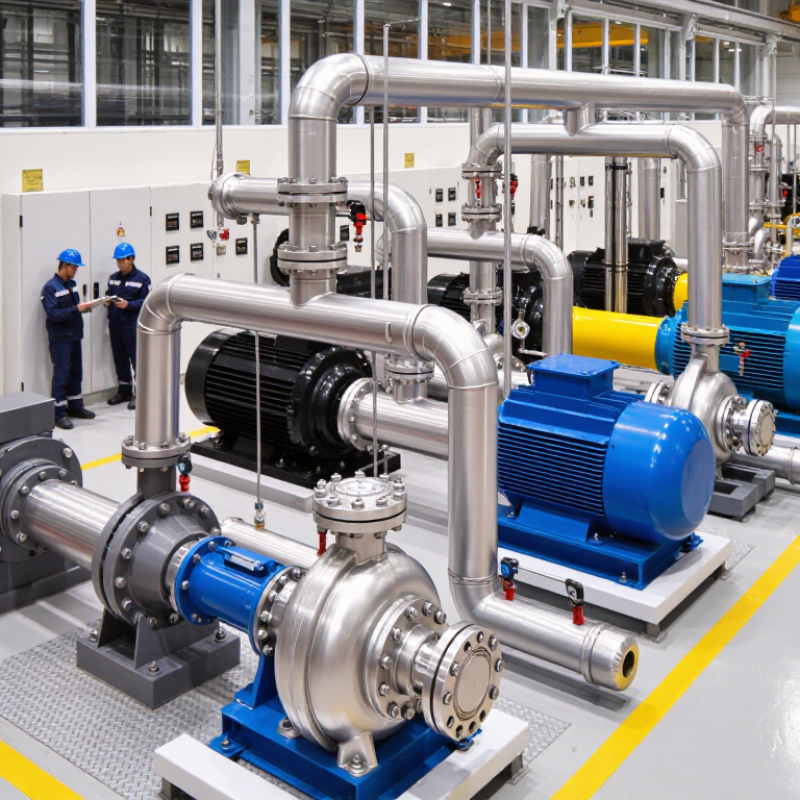
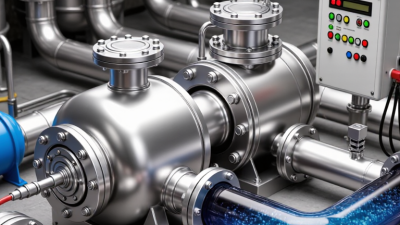
A high-pressure pump system is more than a powerful pump. It combines the pump, motor, pressure vessels, valves, pipes, filters, sensors, and control software. Each part must support the required pressure and flow. In field inspections, I check pressure stability before judging performance. A pump may reach a high peak pressure, yet deliver poor results when demand changes. Good systems maintain steady output, limit vibration, and protect seals from excessive heat. Materials also matter. Stainless steel, coated alloys, or engineered plastics may suit different fluids and temperatures.
Tips: Define pressure, flow, fluid type, and duty hours before comparing systems. Ask for performance curves and factory test records. Check emergency shutdown settings. Inspect pipe joints closely. Small leaks become expensive problems.
Chinese manufacturers offer many configurations for industrial cleaning, water treatment, construction, and process equipment. The best choice depends on verified operating data, not catalog pressure alone. Look for clear documentation, responsive technical support, and spare parts that match the installation. A properly sized motor can reduce energy waste. A suitable accumulator can soften pressure pulses. However, sizing is often treated too simply. I have seen systems selected from maximum pressure alone, causing unstable flow and early component wear. Temperature, inlet conditions, maintenance access, and real operating cycles deserve equal attention. A practical trial under normal load can reveal weaknesses that a laboratory figure misses.
Main Types of High-Pressure Pumps Made in China
Chinese manufacturers produce several high-pressure pump types for water treatment, mining, oil-free industrial cleaning, and process engineering. Plunger pumps deliver strong pressure with low flow, often above 100 bar. They suit reverse osmosis, hydraulic testing, and pressure washing. Piston pumps offer stable output for longer duty cycles. Diaphragm pumps handle corrosive or contaminated liquids because the fluid avoids direct contact with moving parts. Multistage centrifugal pumps provide smoother flow for boilers, municipal water systems, and large filtration plants.
Market data shows why these systems remain important. MarketsandMarkets estimated the global high-pressure pump market at roughly USD 10 billion in 2024, with growth continuing through 2029. The UN World Water Development Report 2024 also reported that 2.2 billion people lacked safely managed drinking water in 2022. This pressure supports demand for efficient booster and filtration systems in China and abroad. It also exposes a weakness: pressure alone does not prove efficiency.
Practical selection depends on seal design, motor control, water quality, and maintenance access. For example, a multistage unit may reduce vibration, but abrasive particles can damage its impellers quickly. A plunger pump can reach impressive pressure, yet its pulsation requires dampers and stronger piping. China’s industrial reports increasingly emphasize energy efficiency and equipment reliability, but field performance still varies between factories. Buyers should request tested flow curves, material certificates, noise readings, and continuous-load results. A polished catalog is not enough. The details matter.
What Are the Best High Pressure Pump Systems in China?
Chinese high-pressure pump systems serve demanding industries where ordinary pumps lose stability. In municipal water treatment, they drive reverse osmosis membranes through fine filtration stages. Operators monitor pressure, flow, vibration, and seal temperature from a control panel. A small pressure fluctuation can reduce membrane output or increase energy use. In industrial cleaning, high-pressure water removes scale from heat exchangers, pipelines, and production floors. The results include cleaner surfaces, shorter maintenance windows, and less manual scrubbing. Food processing facilities also use hygienic pumps for rinsing, transferring, and equipment cleaning. Stainless steel wetted parts matter here. So does easy drainage.
Mining, construction, and firefighting require different performance choices. Mining sites may use pumps for dust suppression, mineral processing, or deep-site water transfer. Construction crews rely on compact units for concrete spraying, equipment washing, and pressure testing. Fire protection systems need dependable standby operation, rapid automatic startup, and properly sized flow capacity. Chinese manufacturers increasingly combine variable-frequency drives, remote monitoring, and modular skids. These features can simplify installation in crowded plants. However, specifications on paper do not guarantee field reliability. I have seen systems underperform when water quality, altitude, or pipe friction was underestimated. Engineers should verify duty points with actual site data, not catalog averages. Spare seals, compatible materials, and local technical support deserve equal attention. The cheapest pump may become expensive after repeated downtime.
Choosing a high-pressure pump system in China requires more than comparing rated pressure.
The U.S. Department of Energy reports that pumping systems can consume about 25% of industrial electricity. Efficiency therefore affects operating cost, not just technical performance. Ask for tested flow, head, efficiency, power, vibration, and noise at several operating points. A single best-efficiency-point figure can mislead.
Use ISO 9906 or China’s GB/T 3216 for hydraulic acceptance testing. Request the complete test curve, calibration records, and uncertainty information. Check whether the pump maintains stable pressure during sudden valve changes. Confirm NPSH requirements with real suction temperature and pipe losses. Field commissioning often exposes problems hidden in factory data. Small air leaks matter.
Safety needs equal attention.
Verify pressure-rated casings, relief protection, emergency shutdowns, shaft guards, electrical protection, and documented hydrostatic tests. Materials should have traceable certificates, especially for seals and pressure-bearing parts. ISO 5199 offers useful technical guidance for centrifugal pump construction and testing. Ask how vibration limits are monitored after installation. The ISO 20816 series can support rotating-equipment vibration assessment, but site conditions still influence results. A perfect datasheet is not proof. I would also inspect maintenance access, spare-part continuity, and training records before approval.
How to Choose the Best Chinese High-Pressure Pump System
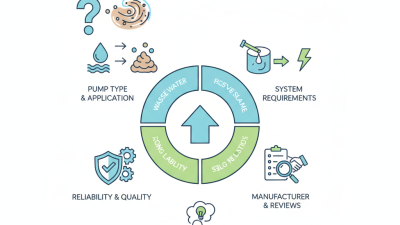
Choosing a Chinese high-pressure pump system starts with operating data, not catalog pressure. Record flow rate, discharge pressure, fluid temperature, viscosity, and suction conditions. Then compare the pump curve with your real duty point. A system running far from its best efficiency point may waste energy and suffer vibration. The U.S. Department of Energy reports that optimized pumping systems can often reduce energy use by 20–50%. That figure makes efficiency a purchasing issue, not a technical luxury.
Ask the manufacturer for performance tests based on ISO 9906 or an equivalent national standard. Check head, flow, efficiency, NPSH, vibration, and motor load. Request material certificates for wetted parts and traceability for seals, valves, and pressure vessels. In field projects, small details matter. A stainless-steel body is not enough if the seal material cannot handle the fluid. For export applications, verify electrical compatibility, documentation, and applicable conformity requirements.
Service capability deserves equal attention. The 2024 International Energy Agency energy-efficiency analysis states that electric motor systems consume about 53% of global electricity. A slightly cheaper pump can become expensive through poor controls or inefficient motors. Select variable-speed control when demand changes frequently, but calculate payback carefully. I once saw a system oversized by nearly 30%; it operated reliably, yet throttling caused needless losses. That shortcut can fail. Compare factory test records, spare-parts lead times, technician response, and warranty conditions before signing. Insist on a witnessed test when the application is critical.