Industrial Pump Repair Canada - Pump and Seal Repair and Replacement Services
ISO 9001 Certified
Industrial Pump Repair Canada - Pump and Seal Repair and Replacement Services
ISO 9001 Certified
Why Choose High Pressure Pump Systems for Global Sourcing?
Global industries need controlled fluid movement, not simply higher pressure. High pressure pump systems support water treatment, mining, food processing, energy, and chemical operations. Their value becomes clearer where flow must remain stable across long pipelines or demanding production cycles. The United Nations World Water Development Report 2024 highlights increasing water stress and uneven access to reliable water services. That pressure is encouraging investment in efficient pumping, filtration, and reuse infrastructure.
The market is expanding. Grand View Research reports that the global industrial pumps market was valued at approximately USD 67 billion in 2023. It also projects continued growth through 2030, supported by manufacturing, municipal water, and energy projects. These figures suggest strong sourcing potential. They do not guarantee a suitable supplier. Buyers still need verified performance curves, material certificates, factory testing, and documented after-sales support.
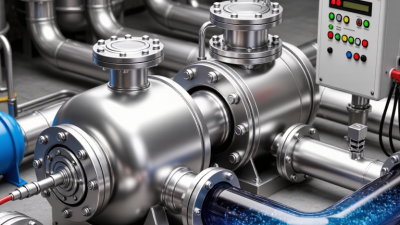
A practical evaluation begins with the application. Consider a stainless-steel pump body beside a dusty mining pipeline, or a compact skid operating continuously in a desalination plant. Wetted materials, seal selection, motor efficiency, noise, and maintenance access can determine lifetime cost. ISO 9906 testing may help confirm hydraulic performance, while ISO 9001 certification can indicate controlled production processes. Requirements still vary by industry and country.
Global sourcing can reduce lead times, broaden technical choices, and improve price competition. However, the cheapest quotation may hide weak documentation or difficult spare-parts access. No report removes that uncertainty. Experienced buyers should compare total cost, compliance evidence, delivery history, and local service capability. That balanced approach makes high pressure pump systems a more defensible choice for international procurement.
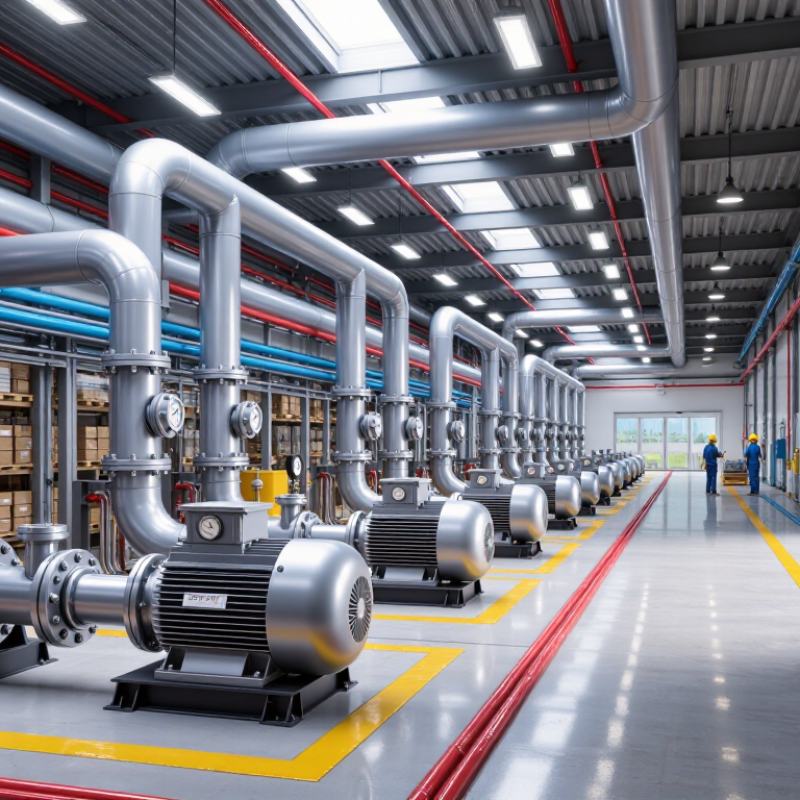
Why Choose High Pressure Pump Systems for Global Sourcing?
What Are High Pressure Pump Systems?
High pressure pump systems move liquids at pressures far above ordinary transfer equipment. They combine a pump, motor, valves, sensors, pipes, and control logic. The system may feed reverse-osmosis membranes, boiler circuits, water mist equipment, or industrial cleaning lines. Pressure alone does not prove quality. Flow stability, seal performance, vibration, and energy use matter too.
The International Energy Agency reports that electric motor-driven systems consume about 53% of global electricity. Pumping is a major part of this demand. U.S. Department of Energy guidance also indicates that pumping systems can account for roughly 25% of industrial electricity use, depending on the facility. These figures explain why global buyers examine efficiency, not only purchase price. A properly sized impeller and variable-speed control can reduce throttling losses. However, an oversized pump may still waste energy every operating hour.
Tips: Request performance curves, material certificates, pressure-test records, and noise data. Check compatibility with the actual fluid, temperature, and duty cycle. ISO 9906 testing can improve confidence in hydraulic performance. Field assessments often reveal poor suction piping or hidden cavitation. Small details matter. One assumption can fail overseas. I have seen specifications focus on maximum pressure while ignoring minimum flow, maintenance access, or local power conditions. That deserves a second review before sourcing.
High pressure pump systems are chosen when ordinary water pressure cannot meet process demands. Their operation starts at the inlet, where liquid enters through a controlled suction line. A motor or engine turns the pump shaft. The pump then transfers mechanical energy into the liquid.
In a centrifugal design, a rotating impeller accelerates the liquid and builds pressure through controlled flow. In a positive displacement design, chambers trap fixed volumes and push them forward. Each type behaves differently. Pressure is not the same as flow. This distinction is often missed. A suction strainer removes larger particles before they reach sensitive parts. Check valves reduce reverse flow. Relief valves protect the piping when pressure rises unexpectedly. Sensors help operators compare real readings with design values.
During commissioning, experienced technicians check vibration, seal leakage, temperature, and pressure stability. They also inspect pipe alignment and electrical connections. Small errors can create large losses. Water temperature, viscosity, pipe length, and elevation all affect performance. For global sourcing, technical drawings and test records should match the supplied configuration. A catalog pressure rating alone proves very little. The honest limitation is simple: no pump performs well with poor installation. Even a carefully selected system may need adjustment after real site testing. Clear maintenance instructions, spare seals, and accessible service points support safer long-term operation.
High pressure pump systems convert mechanical energy into fluid pressure by using rotating or reciprocating elements. Positive-displacement pumps are commonly selected when a process requires stable flow at high pressure, while multistage centrifugal pumps are used for continuous-flow applications.
How to read the chart: The bars show representative pressure ranges commonly encountered in industrial applications. Actual operating limits depend on pump construction, fluid properties, temperature, materials, and safety requirements.
High pressure pump systems serve demanding industries where ordinary flow equipment cannot maintain stable performance. Water treatment plants use them for reverse osmosis, membrane cleaning, and long-distance distribution. In mining, pumps move abrasive slurry through pipes, though wear rates can be difficult to predict. Agriculture uses high pressure systems for irrigation, fertigation, and greenhouse misting. A small pressure drop can affect an entire growing area.
Manufacturing facilities rely on these pumps for boiler feeding, spray washing, hydraulic testing, and process cooling. The food and beverage sector uses hygienic high pressure equipment for cleaning lines and removing residue. Energy facilities may require pumps for water injection, fire protection, and cooling circuits. Each application has different demands. Fluid temperature, viscosity, corrosion, noise, and maintenance access all matter. I have seen specifications look perfect on paper, yet installation conditions changed the result.
Global pump sourcing demands more than a competitive quotation. A high-pressure system must match the required flow, discharge pressure, fluid temperature, and operating cycle. Request verified performance curves, material specifications, and factory test records before comparing prices. Small mismatches can cause vibration, overheating, or unstable output.
Compliance matters across borders. Check electrical requirements, pressure equipment rules, environmental conditions, and documentation for the destination market. Ask whether the supplier can provide traceable material certificates, inspection reports, installation guidance, and clear warranty terms. The pump’s wetted parts should suit the fluid, especially when corrosion, particles, or changing temperatures are present. Test it under realistic conditions.
Service can decide the real cost. Confirm spare-parts availability, response times, technician training, and remote troubleshooting support. A supplier with regional service capacity may reduce downtime, even when its initial price is higher. Review the whole lifecycle, including energy use, seals, bearings, maintenance intervals, and disposal requirements.
Be practical. A low quotation may conceal costly modifications. Even experienced buyers can overlook voltage differences or local piping standards. I would request a sample inspection plan and speak with previous industrial users, while admitting that references never reveal every weakness. A documented supplier audit, witnessed testing, and defined acceptance criteria create stronger protection than promises alone.
When sourcing high pressure pump systems, buyers should evaluate the supplier before comparing prices. Request project references with similar pressure, flow, fluid, and operating temperatures. A credible supplier should explain pump selection clearly, not hide behind a catalogue number. Ask for material certificates, manufacturing records, inspection procedures, and traceable serial numbers. Practical experience matters here. A polished quotation can still conceal weak engineering support.
System quality depends on more than the pump itself. Review the motor, seals, valves, control panel, pressure relief devices, and skid structure as one system. Check whether the design addresses cavitation, vibration, dry running, and sudden pressure changes. Factory testing should include flow, pressure, power consumption, leakage, vibration, and emergency shutdown functions. Buyers should receive signed test records, calibration details, and agreed acceptance limits. Small details matter. A loose cable gland can become a serious maintenance problem.
Supplier evaluation should also examine communication after delivery. Can the technical team answer installation questions within a defined time? Are spare parts identified by drawing and part number? Is operator training available in practical language? A site visit may reveal more than several online meetings. Still, no evaluation method is perfect. I have seen buyers overvalue certificates and undervalue repair access. That assumption deserves a second look. A reliable decision combines documented evidence, witnessed testing, lifecycle cost, and honest discussion of known limitations.
| Evaluation Dimension | Why It Matters for Global Sourcing | Practical Benchmark or Requirement | Documents or Evidence Buyers Should Request | Buyer Assessment |
|---|---|---|---|---|
| Rated Pressure and Flow | Confirms that the system can meet process requirements without operating continuously at its limit. | Verify the complete pump curve at the required duty point. A common engineering practice is to select a rated pressure above the normal operating pressure, with the final margin determined by the process and applicable code. | Certified pump curve, operating envelope, maximum allowable working pressure, design calculations, and relief-valve settings. | Pass only when duty point and maximum pressure are clearly documented. |
| Hydraulic Efficiency | Higher efficiency reduces energy consumption and total cost of ownership, especially in continuous-duty applications. | Many industrial centrifugal pump systems operate approximately within the 70%–90% hydraulic efficiency range, depending on pump type, size, fluid, and duty point. Do not compare efficiencies outside the same operating conditions. | Test curve, power-consumption data, motor rating, efficiency calculation, and defined test conditions. | Compare wire-to-water efficiency at the actual operating point. |
| Cavitation Protection | Cavitation can cause vibration, noise, impeller damage, reduced capacity, and premature failure. | Confirm that available NPSH exceeds required NPSH under the full operating range. A project may specify an additional NPSH margin, often around 0.5–1.0 m or more, depending on the application. | NPSH curves, suction-line calculations, fluid vapor-pressure data, minimum-flow requirements, and installation drawings. | Reject unclear proposals with no NPSH calculation. |
| Materials and Fluid Compatibility | Material selection determines resistance to corrosion, erosion, temperature, pressure, and chemical attack. | The wetted materials, elastomers, coatings, and mechanical seal must be matched to fluid composition, concentration, temperature, solids content, and pH. | Material certificates, chemical-compatibility statement, seal specifications, corrosion allowance, and temperature limits. | Require written confirmation for every wetted component. |
| Standards and Compliance | Recognized standards improve consistency, safety, interchangeability, and acceptance across international projects. | Use standards relevant to the pump type and market, such as ISO 9906 for rotodynamic pump hydraulic performance testing, API 610 where applicable to petroleum and petrochemical services, and applicable electrical and pressure-equipment regulations. | Standards matrix, conformity declarations, inspection plans, certificates, and deviations list. | Check edition, scope, and whether compliance is certified or only claimed. |
| Factory Acceptance Testing | Testing before shipment reduces the risk of discovering hydraulic, mechanical, or control problems at the installation site. | The test should cover flow, head or pressure, power, vibration, leakage, rotation, controls, and protective devices under agreed conditions. | Approved inspection and test plan, calibrated instrument certificates, signed test records, witness points, and nonconformance reports. | Prefer witnessed or independently reviewed testing for critical systems. |
| Vibration and Mechanical Integrity | Excessive vibration indicates possible imbalance, misalignment, resonance, bearing problems, or poor installation. | Set acceptance limits according to the selected pump standard and machine class. Measurements should be taken at defined speeds, loads, and bearing locations. | Vibration test records, balancing reports, shaft-alignment procedure, bearing data, and baseplate drawings. | Require numerical limits, not only statements such as “low vibration.” |
| Controls and Protection | Proper controls protect the pump from dry running, dead-heading, overheating, overload, low suction pressure, and unstable operation. | The system should define automatic shutdowns, alarms, minimum-flow protection, pressure control, emergency-stop functions, and communication interfaces where required. | Control philosophy, wiring diagrams, input/output list, software backup, alarm matrix, and functional-test records. | Confirm compatibility with the buyer’s voltage, frequency, automation, and safety requirements. |
| Supplier Quality System | A controlled manufacturing process is more reliable than relying only on final inspection. | Evaluate documented procedures for design review, incoming inspection, traceability, calibration, nonconformance control, corrective action, and change management. | Quality manual, audit summary, process-control plan, calibration register, sample inspection records, and corrective-action history. | Use a site audit or qualified third-party inspection for high-value orders. |
| Spare Parts and Serviceability | Access to wear parts and technical support reduces downtime and import-related delays. | Obtain a recommended spare-parts list for commissioning and an agreed availability plan for seals, bearings, gaskets, valves, and other wear components. | Parts list, exploded drawings, maintenance intervals, troubleshooting guide, service response process, and training plan. | Score both part availability and technical response time. |
| Warranty and Lifecycle Cost | The lowest purchase price may result in higher energy, maintenance, installation, and downtime costs. | Compare total cost of ownership using purchase price, energy consumption, consumables, scheduled maintenance, spare parts, service, transport, and expected operating life. | Detailed commercial offer, warranty terms, exclusions, energy estimate, maintenance schedule, and lifecycle-cost calculation. | Select on verified lifecycle value rather than price alone. |