Industrial Pump Repair Canada - Pump and Seal Repair and Replacement Services
ISO 9001 Certified
Industrial Pump Repair Canada - Pump and Seal Repair and Replacement Services
ISO 9001 Certified
In industries reliant on efficiency, pump parts replacement stands as a critical factor. According to a study by the Hydraulic Institute, up to 70% of pump failures can be attributed to worn or improper parts. Regularly replacing pump components not only prolongs equipment lifespan but also enhances operational efficiency. When the right replacements are used, energy consumption can decrease significantly, achieving up to a 30% improvement in efficiency.
However, selecting the best replacement options is often a challenge. Many organizations overlook the importance of compatibility and quality. Recent data from the American Pump Association reveals that incorrect installations or poor-quality parts lead to costly downtimes. This opens the door to reflections on investment decisions. While cheaper options may seem attractive, they often result in higher long-term costs. Addressing these issues is essential for maximizing efficiency and minimizing operational costs.
Engaging with reliable suppliers is key. Quality pump parts replacement involves understanding the specific needs of your systems. Industry reports emphasize the necessity of expertise in choosing components that align with operational demands. By making informed choices, businesses can avoid common pitfalls and ensure enhanced performance in their processes.
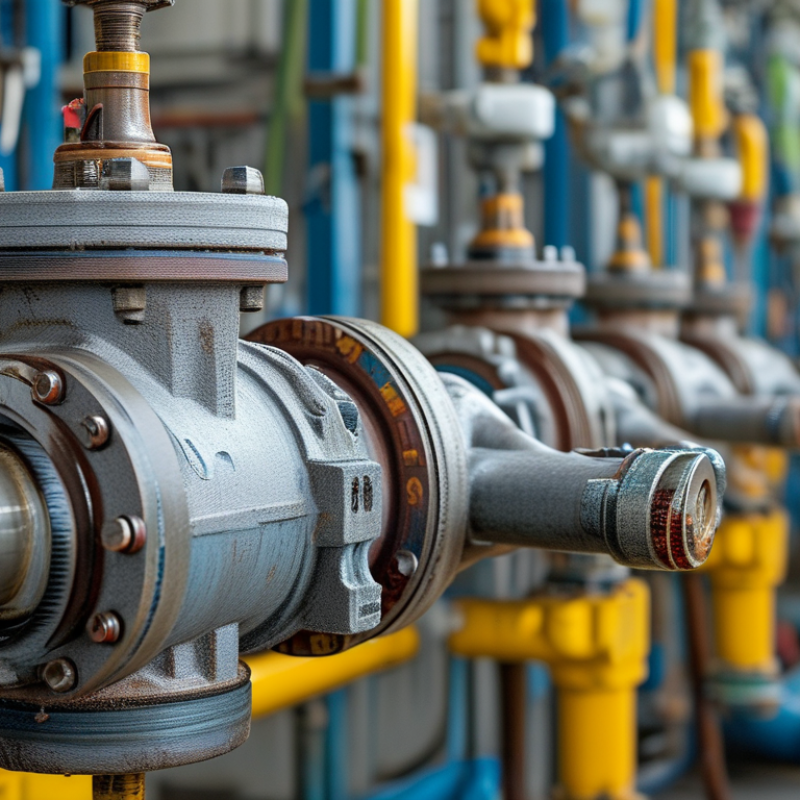
Understanding pump parts is crucial for optimizing system efficiency. Each component plays a specific role, affecting performance and energy consumption. Essential parts include impellers, seals, and bearings. Impellers create flow, while seals prevent leaks. Bearings ensure smooth operation and reduce friction. Over time, wear and tear can compromise these components.
Regular maintenance is vital. Inspecting and replacing worn parts enhances overall efficiency. Users often overlook smaller components, which can lead to significant issues. Sometimes, even minor misalignments can cause major inefficiencies. It's essential to monitor these changes and respond promptly.
When considering replacements, evaluate materials and designs. Some materials resist corrosion better, extending lifespan. Others may not provide the durability needed in specific conditions. Assess the operational environment; that informs the best choices. Knowledge in pump engineering helps in making informed decisions.
| Part Type | Material | Efficiency Rating | Lifespan (Years) | Cost ($) |
|---|---|---|---|---|
| Impeller | Composite | 90% | 7 | 150 |
| Seals | Rubber | 85% | 5 | 100 |
| Bearings | Stainless Steel | 88% | 10 | 200 |
| Gaskets | PTFE | 83% | 6 | 80 |
| Volute | Cast Iron | 91% | 12 | 250 |
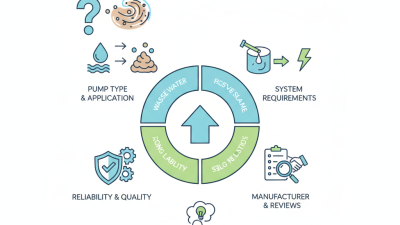
When selecting replacement pump parts, several key factors come into play. One crucial aspect is compatibility. Ensure the parts fit the specific model and function of your pump. Check the dimensions, material specifications, and any unique requirements. Mismatched parts might lead to inefficiency or even damage.
Another important factor is the quality of materials. Select parts made from durable materials that can withstand the operating environment. For instance, corrosive liquids may require specialized materials. Investing in high-quality parts can reduce long-term costs through less frequent replacements.
Additionally, consider the reputation of the supplier. A reliable supplier can provide insights into product performance and potential issues. Reviews and testimonials can also guide your decision. Choosing the right replacement parts requires careful evaluation and sometimes trial and error. Be willing to adjust your choices based on performance outcomes.
When selecting pump parts, it's crucial to consider the type of pump in use. Different pumps have varying needs and specifications. Centrifugal pumps, for instance, often require wear rings and impellers. These components directly influence efficiency and flow rates. Choosing high-quality replacements can enhance performance significantly.
Reciprocating pumps might need seals and piston rings replaced regularly. These parts ensure proper sealing and prevent leaks. Over time, even minor wear can lead to efficiency loss. Regular inspections can help identify when these components need attention. Timely replacements mitigate larger issues.
Submersible pumps have unique requirements too. The motor and cable must be durable to handle underwater conditions. Selecting robust materials is essential for longevity. Users should also consider the environment in which the pump operates. Harsh conditions can accelerate wear and tear, necessitating more frequent replacements.
In the quest for enhanced efficiency in pump systems, the choice of replacement parts plays a pivotal role. A comparative analysis of materials shows significant differences in durability and performance. For instance, high-grade stainless steel typically offers superior corrosion resistance, making it ideal for harsh environments. Industry studies indicate that pumps with stainless steel parts can last up to 30% longer than their plastic counterparts. This durability reduces downtime and increases productivity.
Another consideration is the performance of materials under various operating conditions. Rubber seals, while often cheaper, may degrade quickly in high-temperature settings. According to a recent report, 40% of rubber seals fail within six months in hot environments. This adds maintenance costs and can lead to system failures. Advances in polymers have created alternatives that withstand these conditions better but can come at a higher initial investment.
Reflecting on these aspects, it’s clear that the right material choice is not straightforward. Each option has trade-offs regarding cost, longevity, and reliability. Users must weigh these factors carefully to avoid unexpected breakdowns and expenses. Industry experts suggest regular evaluations of performance metrics to ensure optimal part selection. This data-driven approach can significantly enhance overall system efficiency.
Maintaining pump parts is essential for extended functionality and efficiency. Regular inspections can help identify wear and potential failures. According to a recent industry report, 75% of pump failures are related to inadequate maintenance. Simple practices can prevent costly downtime and improve performance.
Using the right lubricants is critical. It reduces friction and wear, ensuring smoother operation. Opt for products that meet the manufacturer's specifications. Next, monitor the operating conditions regularly. Excessive heat or vibration can indicate underlying issues that need addressing. In fact, studies show that early detection of anomalies can improve pump life by up to 40%.
Another valuable tip involves cleaning. Accumulation of debris can significantly impact efficiency. Schedule routine cleaning sessions to remove buildup. This practice not only enhances performance but also reveals potential problems ahead of time. Pumps that are properly maintained have been known to operate 20% more efficiently than those that aren’t. Focusing on these small details can make a substantial difference in overall pump longevity.