Industrial Pump Repair Canada - Pump and Seal Repair and Replacement Services
ISO 9001 Certified

Industrial Pump Repair Canada - Pump and Seal Repair and Replacement Services
ISO 9001 Certified
Submersible pump systems are vital in many industries, especially in water management and irrigation. As John Miller, a leading expert in pump technology, stated, “Submersible pump systems can transform water management efficiency.” These systems are designed to operate underwater, providing effective solutions for fluid transfer.
The components of a submersible pump system work together to create pressure and move fluids. The pump is housed within a sealed casing that is fully submerged. This design allows for efficient operation, reducing the risk of cavitation. Proper understanding of the mechanics is essential for optimal performance.
Despite their benefits, submersible pump systems can present challenges. They require regular maintenance and can be susceptible to electrical failures. Users must be aware of these potential issues. Continuous learning about advancements in submersible technology can lead to improvements in efficiency.
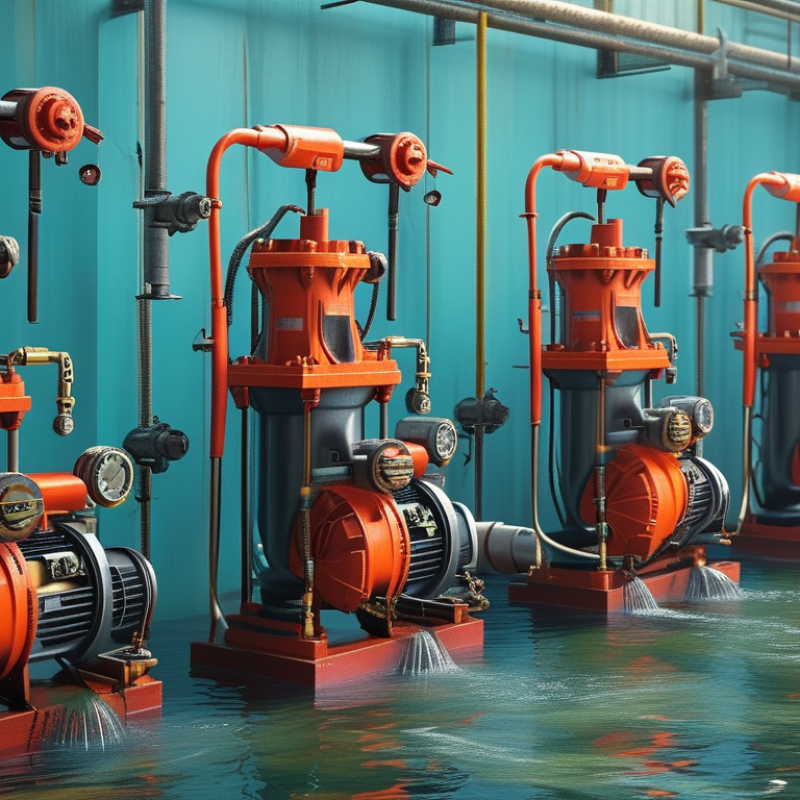
A submersible pump system is a vital device used for moving fluids from underwater. It operates by utilizing a motor that is hermetically sealed to prevent water from entering. This allows the pump to function while submerged in the fluid. The pump is often placed in wells, ponds, or tanks, making it suitable for various applications, including irrigation and waste management.
One crucial aspect of a submersible pump is its design. The impeller plays a significant role by converting rotational energy into fluid movement. When selecting a submersible pump, consider the depth and required flow rate. These factors can influence the efficiency and performance of the system.
Tips: Regular maintenance of the pump is essential. Check for debris that might clog the intake. It is also wise to keep an eye on the power supply to avoid interruptions. Always ensure the pump is correctly installed; improper installation can lead to mechanical failures.
Another consideration is the type of fluid being pumped. Some liquids may cause corrosion or wear over time. Choosing the right materials for the pump can prevent future issues. Understanding these details can greatly enhance the lifespan and reliability of your submersible pump system.
A submersible pump system is designed to operate underwater. Understanding its key components is essential for optimal performance. The main parts include the motor, pump impeller, and discharge head. The motor is usually a sealed device that withstands water pressure. It converts electrical energy into mechanical energy. This action drives the impeller, which moves fluids from a lower level to the surface.
The impeller is a critical part. It creates flow through centrifugal force. Research indicates that centrifugal pumps account for about 80% of the total pump market globally. Furthermore, the discharge head releases the pumped fluid into the designated outlet. This part often includes check valves, which prevent backflow.
However, challenges exist. A common issue is cavitation, which can damage the impeller. Regular maintenance is crucial to prevent such failures. It's estimated that preventative maintenance can extend equipment life by 20-50%. Understanding these components helps ensure that the system operates efficiently and reliably.
| Component | Description | Function |
|---|---|---|
| Pump | The main component that moves water from a lower level to a higher level. | Creates pressure to push water through the discharge line. |
| Motor | An electric motor that powers the pump. | Converts electrical energy into mechanical energy to drive the pump impeller. |
| Discharge Head | The structure that supports the pump and provides an outlet for the water. | Directs the flow of water to the surface and ensures stability of the pump. |
| Pump Intake | The opening at the bottom of the pump where water enters. | Facilitates the smooth intake of water for pumping. |
| Cable | Electrical wire that connects the motor to the power source. | Transmits electrical power to the motor for operation. |
| Check Valve | A valve that prevents backflow of water in the discharge pipe. | Ensures water flows in one direction, preventing loss of prime. |
| Control Panel | The interface for operating the pump system. | Allows for monitoring and controlling of pump performance. |
A submersible pump operates underwater. It is designed to push water to the surface. These pumps are commonly used in wells, ponds, and sewage systems. They are sealed tightly to prevent water from entering the motor. This design makes them efficient and durable.
When activated, the pump's impeller spins rapidly. This motion creates pressure, moving water through the pump. As water enters the pump, it is funneled up through the discharge pipe. The motor is usually located at the bottom of the pump. This placement improves efficiency but might complicate maintenance.
Even with their effectiveness, submersible pumps can face issues. Sediment and debris can clog the impeller. This can reduce performance over time. It's essential to monitor the pump regularly. Neglecting maintenance can lead to costly repairs. Understanding how these systems work can guide better usage and care.
Submersible pump systems are widely used for various applications across industries. These pumps operate underwater to move fluid from one place to another. They excel in tasks that require pumping water from wells, particularly in agricultural settings. Farmers depend on these systems to irrigate crops efficiently.
In residential areas, submersible pumps play a critical role in managing groundwater. Homeowners rely on them for draining excess water. They are often essential for flood control in basements and yards. In municipal applications, these pumps support sewer systems and wastewater treatment facilities. Their reliability helps maintain healthy water systems in communities.
Despite their advantages, submersible pump systems may present challenges. Regular maintenance is crucial to ensure optimal performance. Neglecting issues can lead to costly repairs. Additionally, selecting the right pump model for specific needs requires careful consideration. Every application comes with unique demands. Thus, understanding these requirements is vital for effective usage.
Submersible pumps offer several advantages that make them a popular choice for various applications. One key benefit is their efficiency. These pumps work underwater, which reduces energy loss. They can handle large volumes of water with minimal energy consumption. This makes them ideal for tasks like draining flooded areas or moving water from wells.
However, submersible pumps also have disadvantages. Maintenance can be challenging. Once submerged, accessing the pump for repairs can require significant effort. Additionally, these pumps are often more expensive upfront compared to other types. Long-term costs may arise from their complexity and potential for failure if not properly maintained.
Another point of concern is reliability. While submersible pumps are designed to last, they can be susceptible to wear and tear. Debris in the water can lead to clogs. This means that regular checks are necessary to ensure optimal performance. Operators must remain vigilant about these potential issues to maximize the pump's lifespan.