Industrial Pump Repair Canada - Pump and Seal Repair and Replacement Services
ISO 9001 Certified

Industrial Pump Repair Canada - Pump and Seal Repair and Replacement Services
ISO 9001 Certified
When a pump system stops moving water, the cause may be simpler than it sounds. A silent motor, weak flow, unusual vibration, or a pressure gauge that barely moves can each point to a different problem. A blocked strainer, closed valve, air leak, electrical fault, or worn component may be involved. The symptoms matter. So does the pump type.
Good pump system troubleshooting starts with observation, not guesswork. Note when the issue began, whether the motor runs, and what the gauges show. Check visible valves, the power supply, and the inlet for obvious problems, following the manufacturer’s instructions. Never inspect wiring or open equipment while it is energized. If the pump is hot, leaking, or making a grinding sound, stop it and seek qualified help. Small clues count.
This guide explains common pump problems and practical checks that can help narrow them down. It also clarifies when a simple inspection is not enough. A centrifugal pump, well pump, and sump pump do not share identical causes or procedures, so one checklist cannot fit every installation. That is easy to overlook. Use the equipment manual, record what you observe, and avoid running a pump dry. If a fault keeps returning, a technician can test the system safely and identify damage that is not visible from the outside.
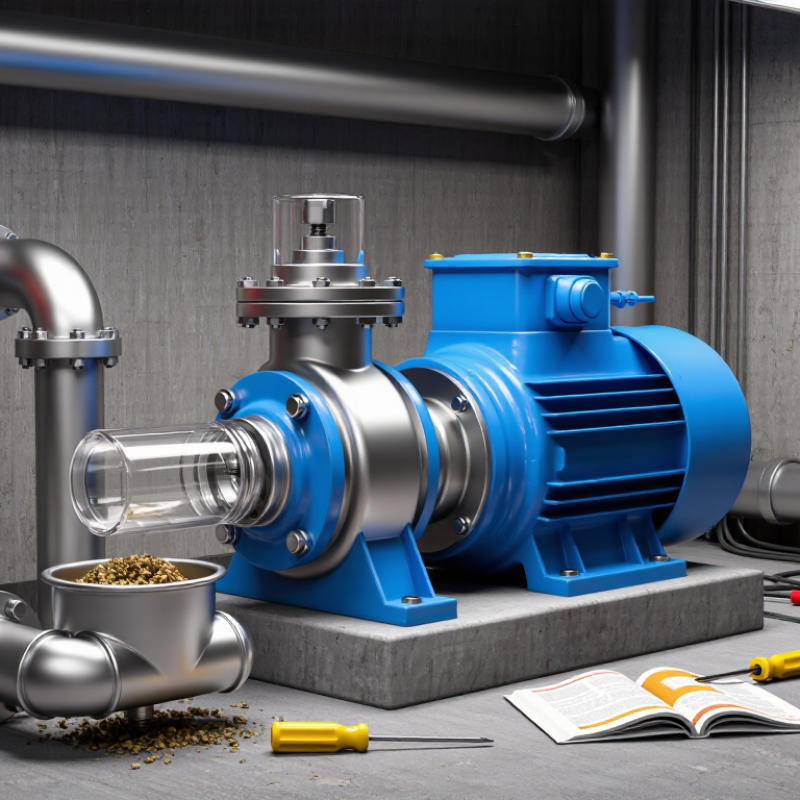
Before inspecting a pump system, treat an unexpected stop, vibration, or leak as a possible hazard. Keep clear of wet floors, exposed wiring, and moving parts. If water is near electrical equipment, do not step into it or touch the controls. Keep others away and contact a qualified professional. Even a small puddle can conceal a dangerous fault.
Do not rely on a wall switch to make the system safe. Use the designated disconnect, and have a qualified person isolate and secure the power. If you are trained to do so, verify that power is off with suitable test equipment. Never remove a guard or reach toward a shaft while the pump could restart. Wait for moving parts to stop. Completely.
Pumps can retain pressure and heat after shutdown. Follow the system’s isolation procedure before touching fittings, opening a cover, or draining fluid. Let hot components cool, and avoid contact with unknown liquids. A quick inspection may seem harmless, but loosening one connection can release pressure unexpectedly. If you notice burning smells, damaged cables, unusual heat, or a leak you cannot identify, stop and arrange professional inspection.
Identify the failure by matching symptoms with operating conditions. No flow often points to a closed valve, lost prime, blocked suction line, or incorrect rotation. Low flow may indicate a clogged strainer, worn impeller, or suction restriction. Check pressure readings against the pump’s normal operating range, not just against memory. A symptom is not a diagnosis.
Listen and look. A gravel-like sound, fluctuating pressure, or vibration can signal cavitation, often linked to inadequate suction pressure. A hot motor, tripped overload, or humming without rotation may suggest an electrical fault or seized component. Water near the shaft can indicate seal damage; rough bearing noise deserves attention. Do not open electrical enclosures or inspect moving parts while equipment is energized. Isolate power first.
The U.S. Department of Energy’s Improving Pumping System Performance: A Sourcebook for Industry reports that pumping systems use nearly 20% of global electricity demand, underscoring why accurate diagnosis matters. Record flow, suction and discharge pressure, motor current, temperature, and when symptoms occur. Compare those readings with commissioning records or the manufacturer’s curve. One detail is easy to miss: a restriction elsewhere in the system can look like pump failure. I would not replace a pump based on noise alone.
A pump that hums but moves no water may have a blocked intake, a closed valve, or air trapped in the line. Check the inlet screen for leaves, grit, or other debris. Low water levels can also make a pump lose prime. A worn seal or damaged impeller may reduce flow, even when the motor still runs. The noise is a clue, not a diagnosis.
Electrical faults are another common cause. A tripped breaker, loose connection, or faulty pressure switch can stop a system unexpectedly. If the motor cycles on and off, the pressure tank may be waterlogged or the switch may need attention. Record the pressure reading and note when the problem occurs. One reading can mislead, so look for a pattern. Disconnect power before inspecting accessible components, and call a qualified technician for wiring or internal repairs.
Tips: Listen for changes in sound, check for leaks, and compare the pressure gauge with the system’s normal range. Never run a pump dry; even a brief test can cause damage. If the cause is unclear, stop troubleshooting rather than replacing parts at random.
Step-by-Step Troubleshooting and Repair
Before inspecting a pump, switch off its power and follow the equipment’s safety instructions. Let hot components cool. Check the control switch, circuit breaker, and visible power cable for obvious problems. Never remove a cover while the system is energized. If wiring looks damaged, stop and call a qualified technician.
Now look for simple flow problems. Make sure inlet and outlet valves are open, and check the intake for debris or a blocked filter. A pump that runs but moves little water may have lost its prime; follow the manufacturer’s priming procedure, if applicable. Look for damp joints, a falling water level, or air bubbles in clear piping. Small leaks can be easy to miss.
Listen closely. A steady hum with no flow may point to a jammed impeller or a closed valve, while repeated clicking can suggest a control or power issue. Don’t keep restarting a pump that overheats, smells burnt, or trips the breaker. That can worsen the damage. Record what you observed, including noises and pressure readings, before arranging service. Troubleshooting is not always neat; one symptom can have several causes, and guessing at internal repairs may cost more later.
A pump that loses pressure, runs continuously, or trips its breaker may have a simple cause. Repeated symptoms deserve attention. Blocked intake screens, air leaks, worn seals, and incorrect pressure settings can all disrupt performance. Grinding sounds, heavy vibration, hot wiring, or water near electrical parts are more serious warning signs. Stop the system if you notice burning smells or exposed wiring.
Call a qualified pump technician when faults return after basic checks, the pump repeatedly loses prime, or pressure swings make taps or equipment unreliable. Do not open electrical housings or keep resetting a tripping breaker. The U.S. Department of Energy’s Improving Pumping System Performance sourcebook reports that pumping systems use nearly 20% of global electricity. That makes correct diagnosis important—not just for uptime, but also for avoiding waste. A quiet pump is not always a healthy one; sound alone can mislead.
Tips: Note the pressure reading, when the problem occurs, and any recent changes. Share those details with the technician. Keep clear of wet electrical areas. If a leak is small, it still may signal a failing seal, so watch for changes rather than assuming it will resolve itself.
Illustrative example: Flow and pressure are below the system’s design-point values, while motor current is above its nameplate full-load current. These readings are not universal limits; compare measurements with the pump’s documentation and operating conditions. If poor performance persists, or you notice overheating, unusual noise, leaks, or electrical problems, stop the pump if it is safe to do so and contact a qualified pump technician.