Industrial Pump Repair Canada - Pump and Seal Repair and Replacement Services
ISO 9001 Certified

Industrial Pump Repair Canada - Pump and Seal Repair and Replacement Services
ISO 9001 Certified
For global buyers, pump repair solutions are not simply about replacing a worn seal or repainting a damaged casing. They involve diagnosis, component quality, technician skill, documentation, and dependable after-sales support. A centrifugal pump serving a cooling tower may need different treatment from a chemical-transfer pump handling corrosive liquids. The operating conditions matter.
Pump specialist Dr. Lev Nelik has stated, “A pump is only as reliable as the system around it.” This principle is important for international purchasing teams. A repair provider should inspect vibration readings, bearing temperature, shaft runout, impeller clearance, and mechanical-seal condition. Clear inspection records also help buyers compare suppliers across regions. Photographs, measurement sheets, material certificates, and pressure-test results can reveal problems before equipment returns to service.
Small details matter.
Experienced providers may offer emergency repairs, planned refurbishment, reverse engineering, and spare-parts sourcing. However, buyers should question vague promises. A low quotation can hide unsuitable elastomers, poor machining tolerances, or weak warranty coverage. Repair work may also fail when the original failure is misunderstood. Excessive vibration, for example, can come from misalignment, cavitation, pipe strain, or an unsuitable operating point.
The strongest pump repair solutions connect technical evidence with practical service. They explain what failed, why it failed, and how recurrence can be reduced. Yet no repair plan is perfect. Field data may be incomplete, and older pumps may lack drawings. Responsible suppliers acknowledge these limitations instead of overstating certainty. For global buyers, trust develops through verified expertise, transparent communication, consistent testing, and support that continues after delivery.
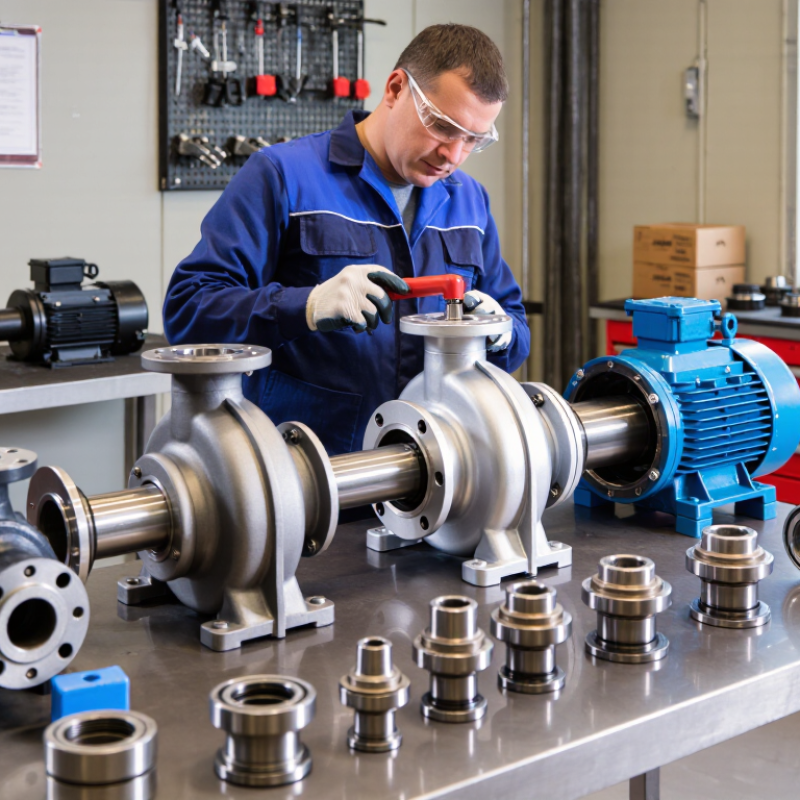
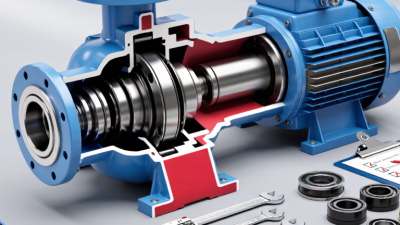
Global buyers usually choose among three pump repair solutions: field service, workshop overhaul, and exchange units. Field technicians inspect vibration, leakage, alignment, and operating pressure at the site. This option reduces transport delays and protects critical production schedules. Workshop repair suits worn shafts, damaged impellers, cracked casings, and severe corrosion. Specialists can machine surfaces, replace bearings, restore seals, and dynamically balance rotating parts. Exchange units provide faster recovery when downtime costs exceed repair costs. Yet, compatibility must be checked carefully. A similar-looking pump may have different clearances, materials, or connection dimensions.
Remote diagnostic support adds another practical solution. Buyers can share photographs, vibration readings, maintenance records, and fluid data before shipping equipment. Engineers can then recommend inspection steps and define the repair scope. For abrasive, corrosive, or high-temperature fluids, material selection needs documented technical review. Reliable providers should issue dimensional reports, pressure-test results, balance records, and parts traceability. These documents help international teams compare quality consistently. I have found that unclear failure history often causes repeat repairs. The first diagnosis may be wrong. That possibility should remain visible in the quotation.
Tips: Ask for a written failure analysis, not only a price. Confirm lead time, test standards, spare-part origin, warranty coverage, and packaging. Keep photos of removed parts. They can reveal misalignment, cavitation, or dry running. Do not accept “tested” without test values.
| Repair Solution | Typical Pump Types | Common Failure Signs | Typical Repair Work | Key Inspection or Verification | Suitable Application Conditions |
|---|---|---|---|---|---|
| Mechanical Seal Replacement | Centrifugal, multistage, process, and vertical pumps | Liquid leakage at the shaft, visible spray, seal-face wear, or overheating | Remove the failed seal, inspect the shaft and seal chamber, install compatible stationary and rotating seal faces, and verify spring and elastomer condition | Seal-face condition, shaft runout, installation dimensions, pressure test, and leakage observation | Most common wet-end repair |
| Packing Replacement and Adjustment | Older centrifugal pumps, slurry pumps, and equipment designed for packed stuffing boxes | Excessive leakage, compressed or hardened packing, overheating, or uneven adjustment | Remove old packing, clean the stuffing box, cut and fit new rings, stagger the joints, and adjust gland pressure | Controlled leakage rate, gland temperature, shaft or sleeve condition, and free shaft rotation | Useful where controlled leakage is acceptable and the pump is designed for packing |
| Bearing Replacement | End-suction, split-case, multistage, and large industrial pumps | Abnormal noise, vibration, elevated bearing temperature, or increased shaft movement | Remove damaged bearings, inspect housings and fits, install correctly specified bearings, and replenish suitable lubricant | Bearing fit, shaft journal condition, axial and radial clearance, lubrication, vibration, and temperature | Suitable for rolling-element or sleeve-bearing assemblies after root-cause inspection |
| Impeller Repair or Replacement | Clear-water, process, wastewater, and slurry centrifugal pumps | Reduced flow or head, hydraulic imbalance, cavitation damage, erosion, corrosion, or blocked passages | Clean passages, repair minor damage where technically appropriate, or replace the impeller; restore the correct running clearance | Visual condition, vane profile, dynamic balance, keyway condition, and performance test where required | Important for restoring hydraulic performance and reducing vibration caused by imbalance |
| Wear Ring Replacement | Single-stage, split-case, multistage, and API-style centrifugal pumps | Loss of capacity, reduced efficiency, increased internal recirculation, or excessive clearance | Remove worn rings, inspect mating surfaces, fit new rings, and machine or restore the interference fit when necessary | Inside diameter, outside diameter, concentricity, interference fit, and running clearance | Efficiency-restoration repair |
| Shaft or Shaft-Sleeve Repair | Process, multistage, vertical turbine, and slurry pumps | Seal leakage, deep scoring, corrosion, bent-shaft symptoms, or excessive vibration | Polish minor surface damage, replace a sleeve, straighten where permitted, or manufacture a replacement shaft | Shaft diameter, runout, concentricity, keyway dimensions, hardness where specified, and coupling fit | Required when seal and bearing repairs alone cannot correct shaft-related problems |
| Casing and Diffuser Repair | Split-case, end-suction, multistage, and vertical pumps | External leakage, corrosion, erosion, cracked passages, or damaged gasket faces | Clean and inspect the casing, repair approved minor defects, machine gasket faces, replace gaskets, or replace the damaged section | Wall thickness, crack examination, flange flatness, pressure testing, and dimensional inspection | Suitable when the pressure boundary or hydraulic passages have deteriorated |
| Motor and Coupling Repair | Motor-driven centrifugal, positive-displacement, and packaged pump units | Motor overheating, electrical trips, coupling wear, torsional noise, or inability to reach operating speed | Test motor windings, replace or repair coupling elements, inspect keys and hubs, and correct mounting issues | Insulation resistance, winding balance, coupling fit, soft-foot check, and operating current | Appropriate for pump units where the driver or power transmission is contributing to failure |
| Laser Shaft Alignment | Horizontally coupled pumps with separate motors or gearboxes | Repeated bearing or seal failure, coupling wear, vibration, or elevated operating temperature | Check soft foot, measure angular and parallel misalignment, correct shims or machine position, and verify final alignment | Cold alignment targets, final shaft readings, coupling limits, and operating vibration | Recommended after major reassembly |
| Dynamic Balancing | Impellers, rotors, shafts, and rotating assemblies | High vibration at rotational frequency, uneven wear, or vibration after component replacement | Measure imbalance, add or remove correction mass according to approved procedures, and document the balance result | Residual unbalance, rotational speed, component condition, and vibration before and after balancing | Useful for high-speed equipment and rotating parts with repaired or replaced components |
| Anti-Corrosion or Wear Protection | Slurry, seawater, chemical, wastewater, and abrasive-service pumps | Material loss, pitting, erosion, rough hydraulic surfaces, or shortened component life | Surface preparation, approved metal repair or coating, curing, and restoration of critical dimensions | Surface cleanliness, coating thickness, adhesion where specified, dimensional checks, and holiday testing when applicable | Extends service life when repair materials are compatible with the pumped fluid |
| Positive-Displacement Pump Rebuild | Gear, screw, lobe, vane, piston, and diaphragm pumps | Loss of pressure, reduced displacement, pulsation, internal leakage, or relief-valve problems | Replace worn gears, screws, rotors, vanes, diaphragms, valves, seals, and other wear components; reset clearances | Clearances, relief-valve function, pressure test, rotation direction, and capacity verification | Requires repair procedures specific to the pump’s displacement mechanism |
| Submersible Pump Electrical and Cable Repair | Submersible drainage, sewage, dewatering, and wastewater pumps | Insulation faults, moisture alarms, tripped protection, motor failure, or cable damage | Inspect cable glands and seals, test windings, replace damaged cables or connectors, and service moisture protection components | Insulation resistance, continuity, phase balance, leak detection, and controlled run test | Essential for submerged equipment where water ingress and cable integrity are critical |
| Factory Acceptance and Performance Testing | Repaired centrifugal, positive-displacement, and packaged pump units | Uncertain repair quality, unresolved performance loss, or customer documentation requirements | Run the repaired pump under controlled conditions and record pressure, flow, speed, power, vibration, and temperature | Measured operating points, hydrostatic or pressure test results, vibration readings, leakage checks, and inspection records | Recommended for critical equipment |
Note: The appropriate repair solution depends on pump design, operating conditions, pumped fluid, component materials, applicable standards, and inspection results. Turnaround time and repair scope should be confirmed after a technical assessment.
Pump failures often reveal themselves through small changes. Flow may weaken, pressure may fluctuate, or the motor may sound unusually sharp. A leaking seal can leave a thin wet ring around the shaft. Excessive vibration may indicate misalignment, worn bearings, imbalance, or cavitation. Cavitation often sounds like gravel inside the casing. It can damage the impeller quickly.
Begin with operating data, not assumptions. Check inlet conditions, discharge pressure, flow rate, motor current, temperature, and vibration levels. Compare these readings with the pump’s approved operating range. Inspect the suction line for blocked strainers, air leaks, or closed valves. A dry-running pump may need seal replacement, shaft inspection, and better priming control. Electrical faults require testing by qualified personnel.
Repair requirements depend on the failure’s cause. Replacing a seal will not solve repeated cavitation. Changing bearings will not correct poor alignment. This is where many repair plans fail. The inspection should record photographs, measured clearances, damaged components, and previous maintenance history. Replacement parts should match material, dimensions, temperature limits, and fluid compatibility. Local technicians also need clear procedures, torque values, and commissioning checks.
Small details matter. A clean flange face can prevent another leak. Yet every diagnosis has limits, especially without field measurements. Conservative decisions are safer than confident guesses.
Evaluating a pump repair supplier starts with evidence, not polished promises. Ask for technician qualifications, inspection procedures, and recent repair records. A capable supplier should explain how it handles worn shafts, damaged impellers, seal failures, and motor alignment. Request sample inspection reports with measured clearances, vibration readings, and photographs. Specific data reveals more than general claims.
Service capability also depends on equipment and workflow. Check whether the workshop has balancing machines, pressure-testing equipment, machining tools, and clean assembly areas. Confirm how technicians identify replacement parts and record material certificates.
Clear traceability matters when a repaired pump returns to a critical production line. Ask about packing, export documentation, remote support, and on-site commissioning. These details often expose hidden delays.
Response time needs careful testing. Send the supplier a realistic pump specification and request a staged repair plan. The plan should show inspection, quotation, approval, repair, testing, and dispatch dates. A reliable supplier will define warranty coverage and explain exclusions plainly. I have seen low quotations become expensive after unlisted machining and freight charges appeared. That lesson still matters. However, even detailed suppliers can miss an unusual failure. Ask how they handle disagreements, failed tests, or repeat repairs. Choose communication you can verify, not confidence you must assume.
What Are Pump Repair Solutions for Global Buyers?
Global buyers should select pump parts by operating conditions, not appearance alone. Check shaft diameter, seal dimensions, impeller clearance, material grade, and fluid compatibility. A stainless component may resist water but fail in an aggressive chemical environment. Ask for drawings, inspection records, and batch traceability. Small measurement errors can stop an entire production line.
Tools also influence repair quality. Use calibrated torque wrenches, alignment gauges, pullers, and insulation testers where applicable. Confirm that local technicians can operate them safely and correctly. Repair teams should inspect bearings, couplings, vibration levels, and leakage points before replacing parts. Guesswork is expensive. I have seen a new seal fail because the shaft surface remained scratched. The replacement was correct, but the diagnosis was incomplete.
Repair methods should match the pump’s condition, duty cycle, and delivery location. A seal replacement may suit minor leakage, while worn housings may require machining or complete assembly replacement. Request a clear repair procedure, pressure-test results, material certificates, and warranty terms. For cross-border purchasing, confirm packing protection, spare-part availability, technical support, and communication response times. Manuals can be incomplete. That deserves attention. Buyers should also compare the cost of shipping, downtime, labor, and future maintenance. The cheapest part is not always the most reliable choice.
Key selection factors for pump parts, tools, and repair methods, based on common industrial maintenance priorities.
Compatibility and repair reliability should be verified against the pump model, operating fluid, pressure, temperature, shaft dimensions, seal arrangement, and applicable technical standards. Local availability and total downtime are also important when selecting replacement parts and repair tools.
What Are Pump Repair Solutions for Global Buyers?
How to Manage International Pump Repair Projects and Quality Control
International pump repair projects need more than a workshop and a shipping address. They require clear technical control from inspection to delivery. Buyers should provide pump drawings, service history, operating conditions, and photographs of damaged areas. Serial numbers must match every document. Small errors can create expensive delays.
A reliable repair plan defines inspection points before work begins. Technicians may check shaft runout, casing wear, bearing seats, and impeller balance. Measurement results should include calibrated equipment and acceptable tolerances. Material certificates help verify replacement parts. Non-destructive testing can reveal cracks that visual checks miss. Hold points allow buyers to review critical work remotely.
Keep records simple and traceable.
International teams also need one communication channel. Weekly updates should show completed tasks, open risks, test results, and revised dates. Time-zone differences can hide problems. A shared inspection schedule reduces confusion between the repair facility, buyer, and logistics provider. Final testing should reflect actual operating conditions when practical. Flow, pressure, vibration, and leakage data need signed reports.
No plan is perfect.
A useful lesson is to question optimistic delivery promises. Unexpected corrosion, unavailable materials, or unclear drawings can change the scope. Building controlled contingency time is wiser than hiding uncertainty. Quality control works best when technical evidence matters more than assumptions.