Industrial Pump Repair Canada - Pump and Seal Repair and Replacement Services
ISO 9001 Certified
Industrial Pump Repair Canada - Pump and Seal Repair and Replacement Services
ISO 9001 Certified
Vacuum pumps rarely fail at a convenient time. A sudden pressure drop, rising oil temperature, or unusual metallic rattle can interrupt production and put delivery schedules at risk. Choosing a qualified vacuum pump repair provider is therefore more than a price comparison. It means finding technicians who can identify the cause, explain the work, and verify performance after reassembly.
This guide introduces ten companies serving customers across different regions and industries. It considers practical factors such as experience with rotary vane, screw, and dry pumps; access to replacement parts; diagnostic procedures; and support for installation or routine maintenance. Service coverage matters, too. A respected provider may not have a nearby workshop or rapid field service in every country. Ask about inspection reports, turnaround estimates, warranty terms, and testing methods before approving a repair. Details matter.
A ranking cannot capture every customer’s needs. A food-processing plant, research laboratory, and packaging line may require different pump technologies, cleanliness standards, and response times. Company capabilities can also change, so confirm current services directly rather than relying on a list alone. Look for clear communication and evidence of relevant technical experience, not just broad claims. Even then, the best choice may involve trade-offs between cost, speed, and local support. This overview offers a starting point—not a substitute for checking the fit for your equipment.
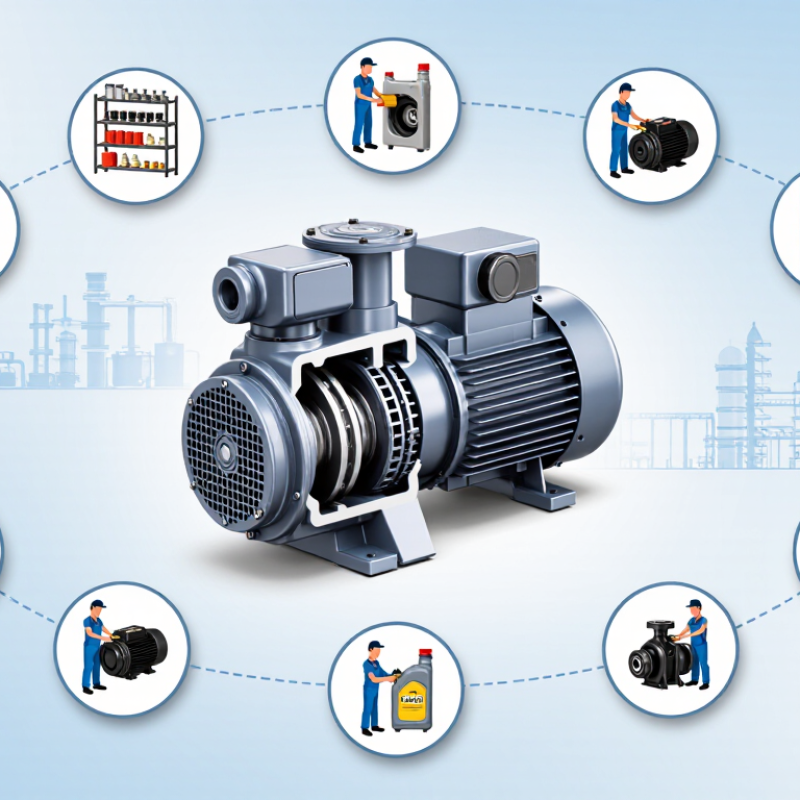
Vacuum pump repair depends on pump design and the process it serves. Oil-sealed rotary-vane pumps often need oil, seals, and vane checks; dry screw and Roots pumps require attention to rotor clearances and contamination. Liquid-ring pumps need inspection of seals and liquid circuits, while turbomolecular pumps demand precise bearing and rotor checks. Repair is diagnostic work. Not just parts.
A complete service may include leak testing, vibration and temperature checks, oil analysis, cleaning, replacement of worn components, and post-repair performance testing. Common faults include slow pump-down, unstable pressure, overheating, unusual noise, oil mist, and rising power draw. A small leak at a flange can imitate internal wear, so replacing parts before testing may waste time. There is no universal repair interval; operating hours, process residue, and maintenance history matter.
The U.S. Department of Energy’s Improving Pumping System Performance sourcebook estimates that pumping systems account for nearly 20% of global electricity use and can consume 25–50% of energy in some industrial facilities. These figures cover pumping systems broadly, not vacuum pumps alone, but they underline why efficiency checks matter. Ask for measured ultimate pressure, leak rate, and current draw after repair—not just a parts list. Good records help; they are often incomplete.
When comparing vacuum pump repair companies worldwide, ask for measured performance, not just a “pass” label. ISO 21360 provides standardized methods for determining pump performance, including pumping speed and ultimate pressure. Pumping speed describes how quickly a pump removes gas at a stated inlet pressure; it can vary across the pressure range. Ultimate pressure is the lowest pressure reached under defined test conditions, not a universal number.
Small details matter: gas type, inlet plumbing, temperature, gauge position, and stabilization time can change results. A clear test report should state them.
Throughput links pressure and pumping speed: Q = p × S, with units stated clearly. It shows how much gas the pump handles at a given condition, helping assess capacity against a real process.
Ask repair providers to record baseline and post-repair readings on the same calibrated rig, under comparable conditions. Request leak-check results, oil or seal findings, and the test range.
Shortcuts are tempting. But one ultimate-pressure reading cannot prove full performance. A repaired pump may reach a low pressure slowly or lose speed under load.
Compare the curve, not one impressive figure. Measurements have uncertainty; a provider willing to explain it offers a more credible basis for comparison.
A vacuum-pump repair quote should explain the full turnaround, not just promise a quick return. Ask when diagnosis begins, how long parts may take, and whether testing is included before shipment. A useful estimate gives dates for each stage and explains what could cause delays. Fast promises need checking.
Parts quality affects reliability after the repair. Request details about replacement components, their condition, and whether compatible alternatives are proposed. For older pumps, parts may be difficult to source, so ask how substitutions could affect performance. A low quote is less useful if it leaves these details unclear.
Warranty terms deserve a close read. Check what work and parts are covered, for how long, and whether labor or return shipping is excluded. Then review the testing process: ask for recorded readings, such as pressure or leak-test results, and confirm the test conditions. A clean report helps. Without measurements, “tested” can mean very different things. Compare written evidence, not just sales claims; even careful estimates can miss hidden damage discovered after disassembly.
A worldwide top-ten ranking of vacuum pump repair companies is most useful when it measures service coverage, not just workshop size. Coverage includes regional repair centers, field technicians, spare-parts access, and the ability to support different pump types. Some providers serve several continents; others rely on local partners. That distinction matters.
For plant operators, response time can be more important than a broad map. Ask whether technicians can reach your site, inspect the pump, and provide a repair estimate without shipping equipment overseas. Check typical parts lead times, emergency support hours, and whether service includes testing after repair. Details count. A provider with fewer locations may still offer stronger support in your region.
Coverage claims need careful checking. A listed office does not always mean a staffed repair center, and partner networks can vary by country. Request recent examples of service in your area, plus clear warranty and inspection terms. Compare providers using the same questions. The ranking may look neat, but real coverage changes with pump model, workload, and parts availability. That is easy to overlook.
Repair capabilities matter more than a company’s location on a list. Rotary-vane pumps need careful inspection of vanes, seals, bearings, and oil condition. A scored rotor or worn seal can cause slow pump-down and visible oil mist. Dry pumps need different expertise. Technicians should check rotor clearances, timing, coatings, and exhaust paths without introducing oil contamination. Turbomolecular pumps are especially sensitive to balance and cleanliness. Their high-speed rotors require controlled handling, precise measurement, and suitable test equipment. Ask whether the repair provider can document the fault, parts replaced, and post-repair performance. A polished report is useful, but real test data matters more.
A capable service team should explain its process before work begins. This may include contamination assessment, dimensional checks, vibration testing, and a final vacuum test under defined conditions. Turnaround time is worth discussing, but rushed work can miss intermittent faults. That happens. Confirm whether the repair includes calibration, warranty terms, and support if the pump fails again. Not every pump is economical to repair; a trustworthy provider should say so, even when that complicates the decision.
Tips: Share the pump model, operating history, process exposure, and symptoms. Include pressure readings and photos of leaks or damage. Small details help technicians choose the right inspection path.