Industrial Pump Repair Canada - Pump and Seal Repair and Replacement Services
ISO 9001 Certified
Industrial Pump Repair Canada - Pump and Seal Repair and Replacement Services
ISO 9001 Certified
Pump system efficiency plays a crucial role in industrial applications. According to the Hydraulic Institute, optimizing pump systems can lead to energy savings of over 20%. This statistic highlights the importance of focus in this area.
John Smith, a leading expert in fluid mechanics, states, "Improving pump system efficiency is not just about saving energy; it’s also about maximizing overall system performance." His insights emphasize the necessity of maintaining an efficient pump system, as it affects operational costs and sustainability.
Efficiency can be hindered by various factors, such as improper sizing, poor maintenance, and outdated technology. A detailed analysis is often required to identify these issues. Companies must reflect on their systems regularly to ensure they are not overlooking these inefficiencies. Addressing them can lead to significant improvements in both energy consumption and operational reliability.
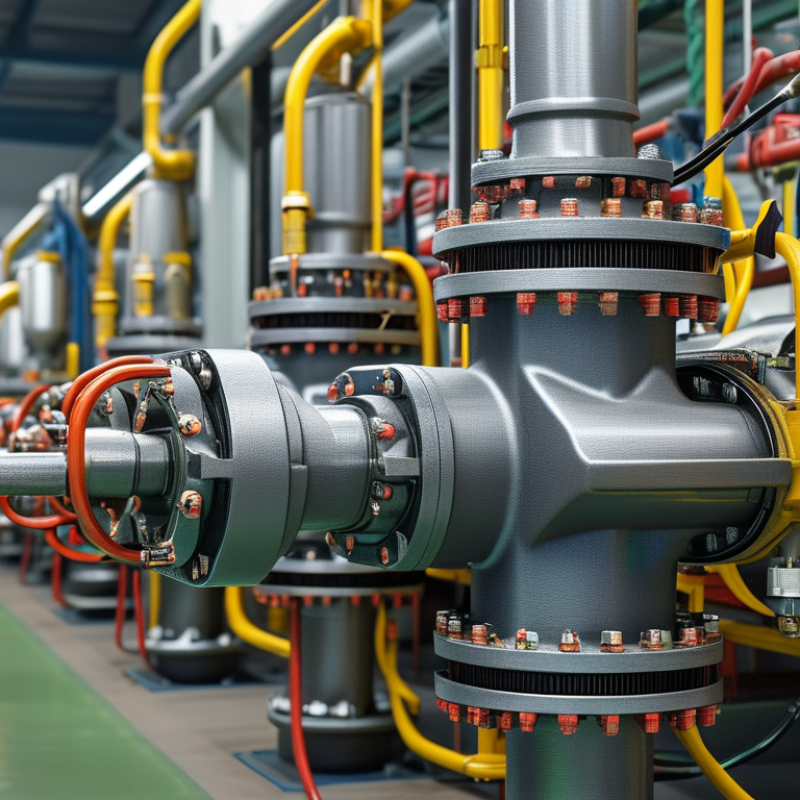
Pump system efficiency is a critical factor in industrial operations. It refers to how well a pump converts mechanical energy into fluid movement. Understanding this concept can lead to significant cost savings and improved reliability. High efficiency means lower energy consumption and less wear and tear on components. Many facilities overlook the importance of this metric, leading to wasted resources and increased operational costs.
Improving pump system efficiency requires regularly scheduled maintenance. Routine checks can identify wear in components and leaks. These small issues often escalate into larger problems if neglected. Adjusting pump speeds can also enhance performance, catering to specific operational needs. Training staff on best practices is essential. They should understand how to operate the system efficiently.
Another aspect worth considering is system design. Outdated systems may not be suitable for current needs. Implementing modern technologies can provide better solutions and optimize energy usage. Yet, organizations can sometimes be resistant to change, fearing the initial investment. This reluctance can hinder progress. Reflecting on current setups and seeking expert advice could unveil opportunities for enhancement.
Pump system efficiency hinges on several key components. Understanding these elements can significantly impact performance and energy consumption. The most critical components include the pump, motor, piping, and controls. Each part plays a unique role in how effectively the entire system operates. Improper pump selection can lead to inefficiencies. For instance, using a pump that does not match the required flow rate can result in energy waste. The motor must also be correctly sized. An oversized motor often operates less efficiently, wasting electricity. Ensuring that piping is free of leaks and blockages is vital. Even minor issues can disrupt flow and decrease efficiency.
Tips: Regular maintenance checks are essential. These should include inspections for leaks and assessment of wear on parts. Upgrading to variable speed drives can also enhance efficiency. Simple changes like these can lead to significant savings over time. Always review the system’s design. A poorly designed layout can cause many complications. Reflecting on these factors is crucial for improvement.
Pump system efficiency is critical for optimal operation. Several common factors can significantly affect this efficiency. One major factor is the selection of an improper pump type for the application. Using a pump that doesn't match the flow rate or head requirements can lead to energy wastage. Understanding the system's needs is essential for choosing the right pump.
Another factor is poor maintenance practices. Neglected pumps can develop issues such as wear and tear, causing them to operate below their potential. Dirty filters or blocked pipes add resistance, reducing efficiency. Regular inspections and maintenance can help spot problems early and keep the system running smoothly.
Additionally, system design plays a crucial role. A convoluted piping layout can lead to increased friction losses. This can make it hard for a pump to deliver the required flow effectively. Optimizing the layout and ensuring proper sizing of pipes can reduce these losses. Improving pump system efficiency requires a detailed examination of these factors.
| Parameter | Value | Impact on Efficiency (%) | Improvement Action |
|---|---|---|---|
| Pump Flow Rate | 1500 GPM | 5 | Optimize impeller design |
| Pump Power Consumption | 100 HP | 10 | Regular maintenance to reduce wear |
| System Head Loss | 20 ft | 15 | Inspect and clean piping |
| Pump Operating Point | 80% of Best Efficiency Point | 8 | Adjust flow rate to reach optimal point |
| Seal and Bearing Condition | Moderate wear | 12 | Replace worn seals and bearings |
Improving pump system efficiency is crucial for reducing operational costs and enhancing productivity. Various studies highlight that a well-maintained pump system can achieve efficiency rates of up to 85%. However, many systems operate at only 40% to 60% efficiency due to improper sizing, wear, and lack of maintenance. By implementing targeted improvements, facilities can potentially save thousands each year.
One effective technique is regular maintenance. Inspections can identify wear and potential failures early. According to the Hydraulic Institute, preventive maintenance can increase efficiency by over 15%. Additionally, optimizing pump design can also lead to significant gains. The use of variable frequency drives (VFDs) allows pumps to operate only as needed, which can decrease energy consumption by 20% to 50%.
Training staff on best practices further enhances performance and longevity. Misunderstandings about pump operation can lead to inefficient usage. Data shows that poorly trained personnel are responsible for 30% of unplanned downtime. Investing in training programs can address this issue and ensure smoother operations, resulting in increased efficiency and reduced costs.
Monitoring and maintaining pump efficiency over time is crucial for reducing energy costs and ensuring operational reliability. According to the U.S. Department of Energy, up to 20% of a facility's energy consumption can be attributed to pumps. Thus, monitoring systems can significantly impact overall efficiency. Regular check-ups of flow rates, pressures, and power consumption can uncover inconsistencies.
Data from the Hydraulic Institute indicates that poor maintenance contributes to a staggering 30% drop in pump efficiency. Over time, wear and tear from abrasive materials can lead to reduced performance. Operators should adopt predictive maintenance strategies. This involves using sensors and data analytics. Such technologies offer insights into potential failures before they occur.
Additionally, routine evaluations should include inspecting seals, bearings, and impellers. Simple measures like cleaning filters and checking for blockages can make a huge difference. There's often a gap between ideal operational standards and actual performance. Recognizing this gap is essential for effective pump management. In many cases, small adjustments can yield significant gains in efficiency, leading to substantial cost savings.