Industrial Pump Repair Canada - Pump and Seal Repair and Replacement Services
ISO 9001 Certified

Industrial Pump Repair Canada - Pump and Seal Repair and Replacement Services
ISO 9001 Certified
Choosing positive displacement pumps begins with the process, not the product catalog. These pumps move a defined volume with each cycle, making them useful for viscous fluids, accurate dosing, and steady flow under changing pressure. Yet the wrong design can bring pulsation, excess wear, noisy operation, or costly maintenance. The details matter. A thick coating may behave differently when cold. A small solids load can change the choice of rotor, diaphragm, or valve. Even a short suction line deserves attention.
Igor J. Karassik, a respected pump engineer and co-author of the Pump Handbook, emphasized the importance of matching a pump to its application. A concise paraphrase of that selection principle is: “Choose the pump for the actual duty, not the catalog headline.” This is a paraphrase, not a verified verbatim quotation. That distinction matters when technical guidance needs to be trusted. This guide explains how to compare flow rate, pressure, viscosity, temperature, materials, and operating speed. It also highlights practical checks, such as confirming the fluid’s shear sensitivity and reviewing the manufacturer’s limits for dry running. No single pump type suits every line. A selection can look right on paper and still disappoint in service. Use the following considerations to build a sound shortlist, then confirm the final choice with process data and supplier documentation.
2026 How to Choose Positive Displacement Pumps
Understanding How Positive Displacement Pumps Work
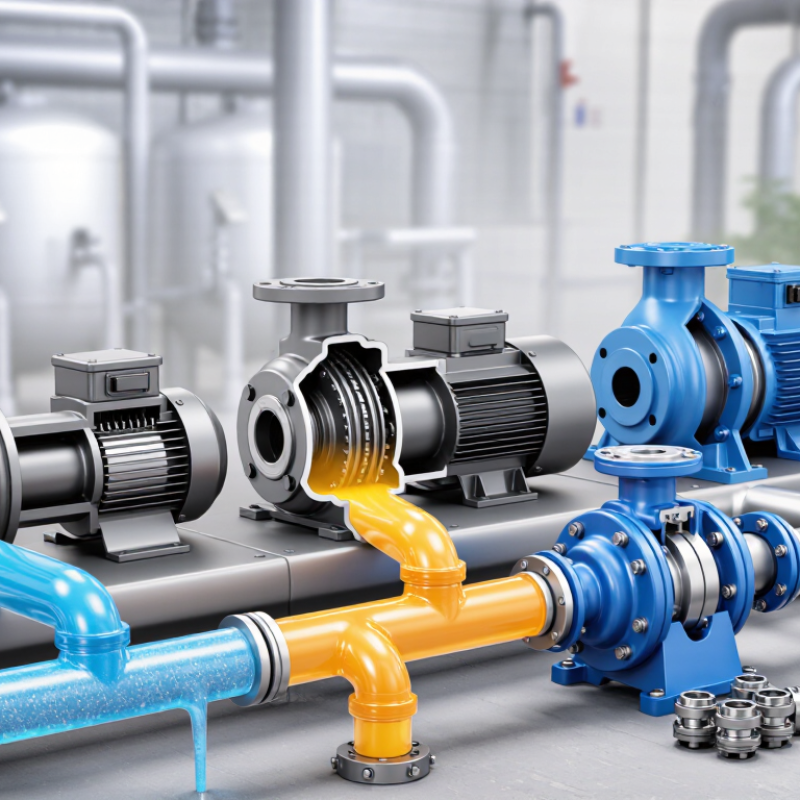
A positive displacement (PD) pump traps a set volume of liquid and carries it from the inlet to the discharge. Gears, screws, lobes, or a moving diaphragm create those pockets. As the pump turns faster, flow generally rises. But it is not perfectly fixed: internal slip increases with pressure difference and can change with liquid viscosity. Cold syrup, for example, may need more torque and a slower startup than warm oil. That matters.
Pressure comes from resistance in the piping or process, not from a preset limit inside the pump. If a discharge valve closes, pressure can rise quickly. Install an appropriately sized relief path and check where it returns. The U.S. Department of Energy’s 2006 Improving Pumping System Performance sourcebook reports that pumping systems can use 25–50% of energy in certain industrial plant operations. That figure covers pumping systems broadly, not PD pumps alone, but it shows why matching flow, pressure, and motor speed matters. The textbook picture is useful; real clearances, pulsation, and changing fluid conditions complicate it. Before choosing a pump, compare required flow at actual viscosity and pressure—not just the number on a catalog page.
Start with the fluid, not the pump’s advertised capacity. Record its viscosity at the actual operating temperature, not just at room temperature. Note whether it contains abrasives, fibers, gas, or particles that may settle. A clear sample can still hide changes during production. That detail is easy to miss.
Next, define the operating conditions. Estimate the required flow range, discharge pressure, suction lift, and hours of operation. Check whether flow must remain steady when pressure changes. Consider startup conditions too: a cold, thick liquid can demand more torque than a warm one. Confirm that wetted materials suit the fluid, and review its vapor pressure and temperature limits. If data is uncertain, measure it or request a representative sample analysis. Guessing can work briefly, but it makes pump selection harder to trust.
Tips: Keep a short fluid log with temperature, viscosity, solids, and batch variations. Compare normal conditions with the worst credible case. Ask an experienced pump engineer to review the figures before sizing; one assumption may still be wrong.
Positive displacement pumps move a defined volume with each cycle, so compare required flow and pressure before comparing pump types. Gear pumps suit clean, lubricating liquids and steady delivery. Lobe and progressive cavity designs handle more delicate, viscous, or solids-bearing fluids, but clearances and wear matter. Screw pumps generally provide smoother flow than reciprocating designs. Piston and plunger pumps can meet demanding pressure or metering needs, though pulsation may require dampening. Check viscosity at actual operating temperature, not just the product data sheet. Small details change the choice.
The U.S. Department of Energy’s Improving Pumping System Performance: A Sourcebook for Industry reports that pumping systems use nearly 20% of global electricity, and identifies potential energy savings of 20–50% in many systems. Those figures describe pumping systems overall, not positive displacement pumps alone. They still make a strong case for matching capacity to duty. A pump that routinely bypasses excess flow can waste energy and generate heat. Specify normal and peak flow, differential pressure, fluid temperature, solids content, and acceptable shear. Include suction conditions and relief protection in the review. For pulsing service, assess piping vibration and downstream instrument response. One imperfect assumption is that a pump’s rated capacity equals delivered flow; internal slip, wear, and viscosity can shift it. Validate selections against manufacturer curves and measured site conditions.
Indicative differential-pressure ranges for commonly available pump designs. Actual limits vary by model, materials, speed, fluid, and configuration; confirm the pump’s rated pressure and operating curve with the manufacturer.
Selection also depends on required flow, viscosity, shear sensitivity, solids content, metering accuracy, and maintenance needs. Pressure range alone is not a pump-selection recommendation.
Positive displacement pump sizing begins with the required flow and discharge pressure, based on actual operating conditions. Check whether flow must remain steady as viscosity or pressure changes. Account for speed limits, expected slip, and the pump’s suction conditions. A pump selected only from its maximum flow rating may struggle at normal duty. Small details matter. Confirm the operating range against the manufacturer’s performance data and qualified engineering guidance.
Material compatibility depends on the liquid, temperature, concentration, and cleaning routine. Compare wetted metals, elastomers, and internal components with the fluid’s properties. Abrasive particles can accelerate wear, while temperature shifts may affect seals and clearances. Do not guess. A compatibility chart is a useful starting point, not a substitute for checking the actual fluid and operating cycle. Even a careful estimate can miss an unusual startup condition.
Tips: Record minimum and maximum flow, pressure, temperature, and viscosity. Identify solids and cleaning chemicals. Ask for confirmation when data is incomplete, then reassess the selection after commissioning measurements.
Choosing a positive displacement pump means looking beyond its purchase price. Controls affect how reliably the pump handles changing flow and pressure demands. Check whether speed control can match the process without frequent starts and stops. Confirm that pressure protection, alarms, and shutdown logic suit the actual installation. A useful control panel shows operators clear readings, not a puzzle of flashing lights. That matters.
Maintenance needs depend on pump design, fluid properties, and operating conditions. Ask how quickly technicians can inspect wear parts, reach seals, and drain the housing. Review recommended service intervals against the fluid’s abrasiveness, temperature, and viscosity. Keep likely replacement parts accessible, and consider whether staff can perform routine checks safely. Small leaks count. They can signal wear, waste product, or create cleanup work.
Total cost of ownership includes energy, labor, spare parts, downtime, and commissioning. Compare these costs over the expected service life, not just the first year. A lower-priced pump may demand more frequent attention; a sophisticated control package may not pay back in every application. I would not trust a single cost estimate without checking its assumptions. Model realistic operating hours and maintenance access, then test how the result changes when production slows or parts take longer to arrive. That uncertainty deserves attention.