Industrial Pump Repair Canada - Pump and Seal Repair and Replacement Services
ISO 9001 Certified

Industrial Pump Repair Canada - Pump and Seal Repair and Replacement Services
ISO 9001 Certified
In the realm of pump system design, efficiency and reliability are paramount. Renowned expert Dr. Emily Carter once stated, "A well-designed pump system can enhance productivity and reduce costs." This philosophy underscores the critical nature of effective design in various applications, from industrial processes to water management systems.
Mastering pump system design requires understanding fluid dynamics, energy consumption, and equipment selection. Each element plays a pivotal role in overall system performance. However, even experienced engineers may face challenges, such as unforeseen pressure drops or maintenance issues. Recognizing these potential pitfalls is essential to refining design strategies.
Furthermore, the importance of integrating advanced technologies cannot be overlooked. Smart sensors and automation can significantly improve operational efficiency. Yet, reliance on technology requires constant evaluation and adjustment. Thus, continuous learning remains a vital aspect of pump system design, ensuring systems adapt to changing needs while maintaining durability and efficacy.
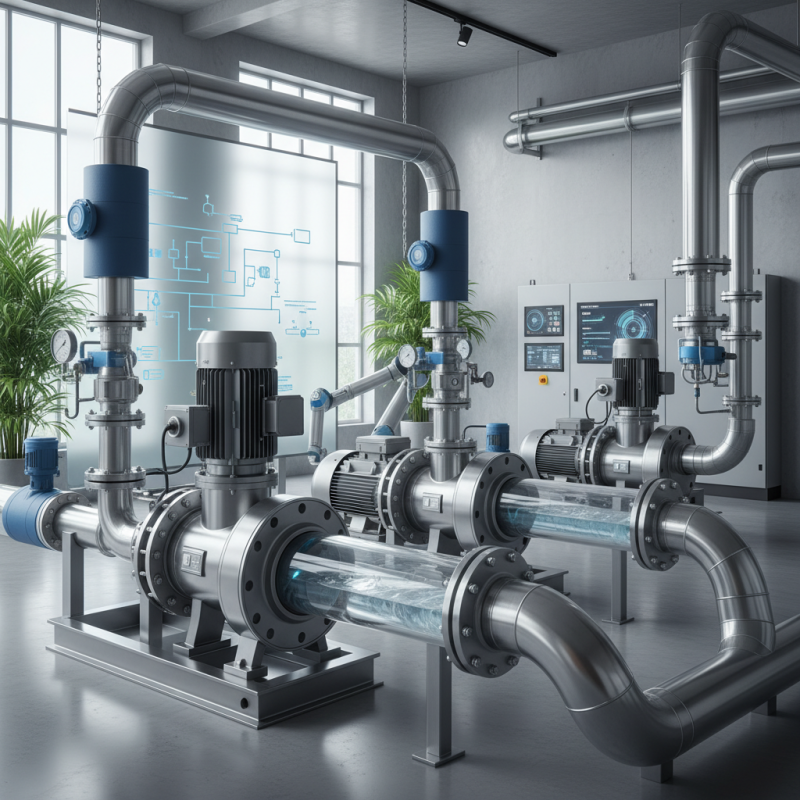
When designing a pump system, several key considerations come into play. Understanding the specific application is essential. Different industries require unique pumping solutions. The choice of pump type affects efficiency, reliability, and maintenance needs. Conduct thorough research on pump characteristics to match them to your system requirements.
Another important aspect is the consideration of fluid properties. The viscosity, temperature, and chemical compatibility of the fluid can significantly impact system performance. For example, handling viscous fluids may require specific pump designs. It’s also wise to account for the total dynamic head and system layout. Poor planning in these areas can lead to pump inefficiencies and increased operational costs.
It’s crucial to emphasize the importance of system integration. Pumps must work seamlessly with other components, such as controls and monitoring equipment. This integration ensures optimal performance. Skipping this step can result in poor system functionality. Reflecting on past designs may also highlight areas needing improvement. Continuous learning from real-world applications is vital for refining pump system design expertise.
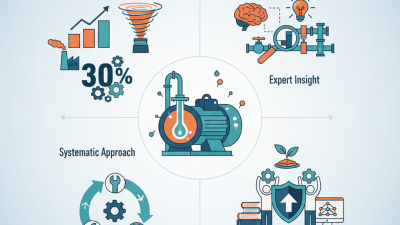
When selecting the right pump type for your application, understanding your specific needs is crucial. Data from the Hydraulic Institute indicates that incorrect pump selection can lead to a 30% increase in operational costs. Such an oversight can stem from inadequate analysis of flow rates, pressure requirements, and fluid characteristics.
Different applications necessitate distinct pump designs. For instance, centrifugal pumps work well for low-viscosity fluids and high flow rates. Yet, they may falter with highly viscous materials. Positive displacement pumps excel in such scenarios, delivering consistent flow despite viscosity changes. Knowing the limitations and strengths of each pump type is vital for optimal performance.
Moreover, must consider energy efficiency. Reports highlight that up to 25% of industrial energy consumption is attributed to pumping systems. Using inappropriate pumps can lead to energy waste. For example, a pump operating far from its Best Efficiency Point (BEP) can consume more power without providing proportional output. This reinforces the need for thoughtful, informed decisions in pump system design.
This chart displays the efficiency percentages of various pump types crucial for effective pump system design. The selection of the right pump type is essential for meeting application-specific requirements.
Calculating required flow rates and pressure conditions is fundamental in pump system design. Accurate flow rates ensure that the system meets operational needs. They also determine energy efficiency and system longevity. Start by assessing system goals.
Understand the fluid type, required pressure, and desired flow. These factors directly influence your calculations.
Consider the pipe layout and elevation changes. They can impact pressure conditions significantly. Use flow equations to determine how these factors affect performance. An oversimplified approach can lead to inadequate pump sizing.
Always double-check your calculations for varying conditions, such as temperature changes or fluid characteristics. Simulation tools can help visualize system behavior under different scenarios.
Choosing the right method for calculating flow and pressure is crucial. It may be beneficial to consult industry standards.
Look for established engineering practices relevant to your application. Mistakes here can be costly, both in terms of finances and operational efficiency. Regular reviews and updates of designs will help maintain effectiveness over time.
Keep records of any adjustments made to improve or alter system performance. This documentation can be valuable for future projects.
In pump system design, the layout and piping are critical for efficiency. A well-structured system minimizes pressure drops and maximizes flow. Studies show that poor piping design can lead to a 20% increase in energy costs. This highlights the need for careful planning in system layout.
Optimal pipe size is vital. If the diameter is too small, it restricts flow, causing cavitation issues. Conversely, oversized pipes can lead to increased material costs and unnecessary weight. According to industry reports, around 30% of facilities report flow-related problems. Reviewing the layout is essential for addressing these issues.
Additionally, the arrangement of pipes can affect maintenance access. Complicated layouts may hinder repairs, leading to longer downtimes. A recent analysis found that system inefficiencies contribute to 15% of operational costs in some sectors. Regularly revisiting design choices aids in identifying potential upgrades. Evaluation should focus on reducing risks and improving system reliability.
| Tip No. | Tip Description | Importance |
|---|---|---|
| 1 | Conduct a thorough system analysis. | Identifies specific needs and parameters. |
| 2 | Select the right pump type. | Ensures efficiency and suitability for application. |
| 3 | Optimize piping layout. | Reduces pressure losses and energy consumption. |
| 4 | Include valves and fittings strategically. | Controls flow and increases system reliability. |
| 5 | Size components correctly. | Prevents cavitation and ensures sustained performance. |
| 6 | Plan for maintenance access. | Reduces downtime and maintenance costs. |
| 7 | Evaluate system controls. | Enhances operational efficiency and monitoring. |
| 8 | Design for future scalability. | Accommodates growth without major overhauls. |
| 9 | Consider environmental impacts. | Promotes sustainability and regulatory compliance. |
| 10 | Document the design process. | Ensures knowledge transfer and future reference. |
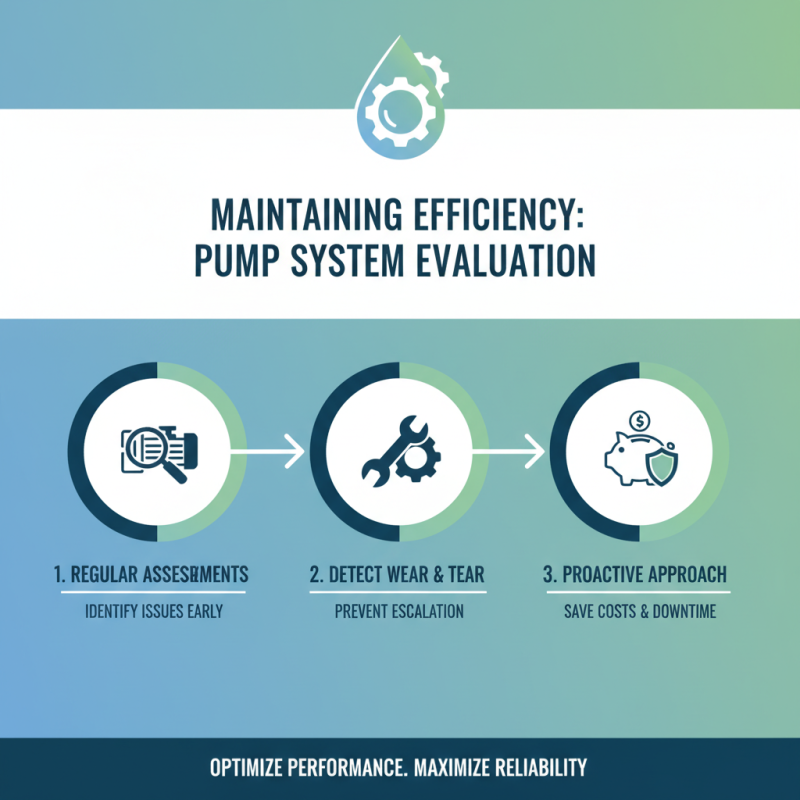
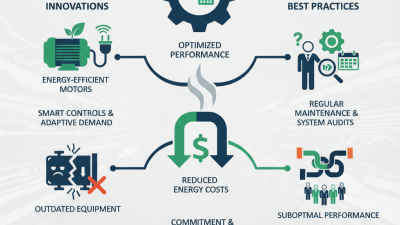
Maintaining efficiency in pump systems hinges on regular evaluations. These assessments play a crucial role in identifying potential issues before they escalate. Frequent checks can help detect wear and tear in components. This proactive approach can save on costly repairs and downtime.
During evaluations, it's essential to examine the entire system. Look for leaks, vibrations, and changes in pressure. Even minor irregularities can indicate larger problems. Regular monitoring of energy consumption is also vital. Unexplained spikes in energy use often signal inefficiencies that need addressing.
Training staff on best practices is key to effective evaluations. Personnel should understand how to spot early signs of trouble. This knowledge can create a culture of accountability. Ensuring that pump systems operate at peak performance requires ongoing attention. It's an area where even small oversights can lead to bigger complications.