Industrial Pump Repair Canada - Pump and Seal Repair and Replacement Services
ISO 9001 Certified

Industrial Pump Repair Canada - Pump and Seal Repair and Replacement Services
ISO 9001 Certified
Hydraulic pump systems sit at the center of equipment that lifts, presses, steers, and moves loads. For global buyers, selecting a pump is not just a search for maximum pressure or flow. The right choice depends on the machine’s duty cycle, fluid, operating temperature, control method, and available maintenance support. A compact gear pump may suit a straightforward circuit, while a variable-displacement piston pump can offer finer control in demanding applications. Neither is automatically the better option.
Details matter. A pump’s rated performance should be checked against the system’s actual operating range, not just a headline figure. Buyers should review efficiency data, noise levels, seal compatibility, service intervals, spare-parts access, and the supplier’s technical documentation. Ask how performance changes under continuous load. Confirm it.
This 2026 overview compares leading pump types and selection factors for different industries and operating conditions. It also considers supplier support, integration needs, and the practical costs that can be missed during an initial price comparison. Product specifications are useful, but they do not tell the whole story. I would treat broad rankings with care: models can change, and published data may reflect specific test conditions. Verify critical figures with the manufacturer and, where needed, a qualified hydraulic engineer. The goal is a dependable match—not a universal winner. Even careful selection can involve trade-offs. That deserves a second look.
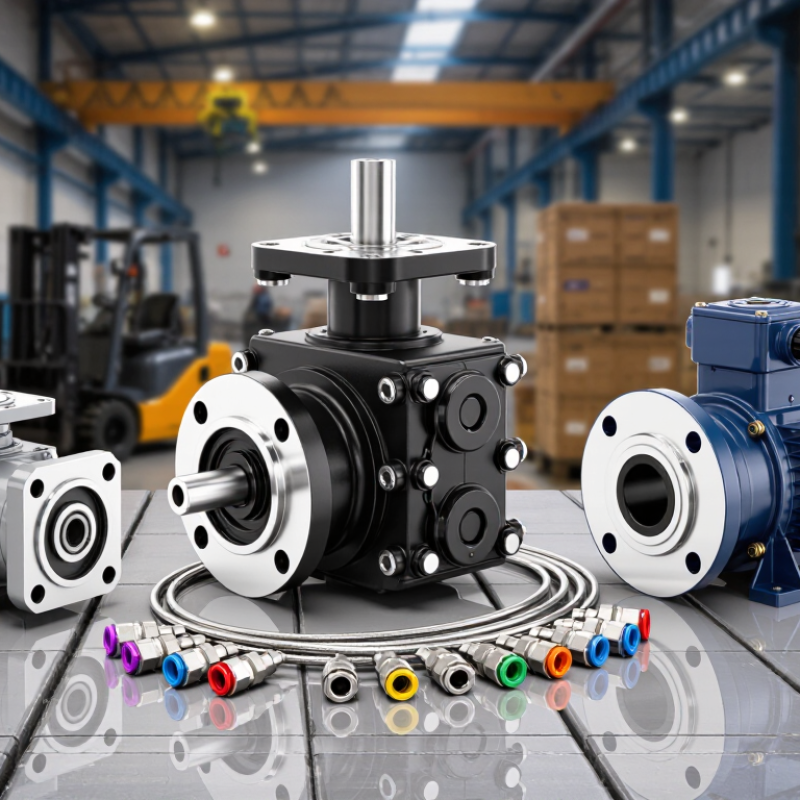
A hydraulic pump converts mechanical input into fluid flow. System pressure develops when that flow meets resistance; the pump does not create pressure by itself. In a typical setup, oil leaves a reservoir, passes through the pump, and travels to a valve or actuator. The actuator then turns fluid power into movement, such as a cylinder extending under load. Small leaks or air in the suction line can cause noise, uneven motion, and heat.
Common pump designs include gear, vane, and piston types. Gear pumps are relatively simple and often suit steady-duty applications. Vane pumps can run quietly, while piston pumps support demanding pressure and control needs. The choice depends on flow, operating pressure, speed, fluid cleanliness, and duty cycle. Other key components include filters, seals, hoses, a relief valve, and a reservoir sized for cooling and fluid return. There is no perfect layout for every machine. Even a well-sized pump may disappoint if its inlet line is restrictive.
Tips: Check the pump’s flow and pressure ratings against the machine’s actual load. Keep the suction line short and inspect filters on schedule. Listen for changes. A sudden whine deserves investigation, though it does not identify one fault by itself. Record fluid temperature and service findings; those notes can reveal patterns that a quick visual check misses.
Hydraulic pump selection depends on pressure, flow stability, noise, and maintenance conditions. Gear pumps use meshing teeth to deliver steady flow with a simple, rugged design. They suit many mobile and industrial circuits, though flow often falls as pressure rises. Vane pumps typically run more quietly and provide smoother output at moderate pressures. Piston pumps handle higher pressures and can vary displacement, helping match flow to demand. They also cost more to maintain and are less forgiving of dirty oil. Small differences matter.
The U.S. Department of Energy’s Improving Pumping System Performance sourcebook reports that pumping systems use nearly 20% of global electricity demand. This figure covers pumping systems broadly, not hydraulic pumps alone, but it highlights why operating efficiency deserves attention. In practice, compare a pump’s rated pressure and flow with the machine’s actual duty cycle. A high-pressure rating alone does not guarantee efficient operation. Real conditions can be messier.
Tips: Check oil cleanliness, inlet restrictions, and fluid temperature before diagnosing poor performance. Listen for changes in noise, and record pressure and flow under load. These simple checks can reveal cavitation or wear, though they do not replace qualified testing.
Comparing leading hydraulic pump systems in 2026 starts with the machine’s real duty cycle, not its highest catalog rating. Record required flow, operating pressure, and time spent at each load. A press that runs slowly between short high-pressure strokes needs a different match from a conveyor running steadily. Check performance across the full range, including pressure spikes during reversals.
The U.S. Department of Energy’s Improving Pumping System Performance: A Sourcebook for Industry reports that pumping systems use nearly 20% of global electricity demand, and 25–50% of energy in some industrial operations. That makes system efficiency worth measuring. Compare input power against useful hydraulic output at typical operating points, then assess whether variable displacement or speed control can reduce excess flow. Ask for test conditions; a peak-efficiency figure without them tells little.
Look beyond the pump. Specify fluid compatibility, filtration, noise, heat rejection, and service access. After a long shift, a technician should be able to inspect connections without dismantling half the unit. Track oil temperature and filter changes during a site trial. The comparison is rarely tidy: actual loads may differ from design estimates, and efficiency gains can bring added control complexity. Leave room to reassess after installation.
2026 Top Hydraulic Pump Systems for Global Buyers
Choosing a hydraulic pump system starts with the machine’s real working conditions, not its peak rating. Record operating pressure, required flow, duty cycle, and fluid temperature. A press running in repeated short cycles may need different control characteristics from a loader working continuously. Fit matters.
Compare the pump’s rated pressure and flow with the equipment’s actual demand, then allow for expected operating variation. Check fluid compatibility, inlet conditions, and the manufacturer’s stated limits. A noisy pump, foamy oil, or a hot reservoir can point to problems beyond the pump itself, such as restricted suction or unsuitable fluid. Ratings alone can mislead.
Installation and service access deserve equal attention. Confirm shaft and port arrangements, mounting space, filtration requirements, and available replacement parts before ordering. For equipment operating far from service centers, clear maintenance instructions and practical troubleshooting support can reduce downtime. Not always obvious. Ask suppliers for documented performance data and clarify how ratings were tested. One selection detail is easy to miss: real machines rarely operate at one fixed load. Recheck the choice against the system’s full operating range, and note any assumptions that still need field verification.
For global buyers, pump selection is only part of the job. Installation conditions shape reliability from day one. Check the mounting surface for flatness, and align the drive before operating the system. Even slight misalignment can add vibration and wear. Keep suction lines short, adequately sized, and free of sharp bends where possible. Cleanliness matters. A small amount of grit can damage precision surfaces, so flush lines and use filtration suited to the system’s operating requirements. Confirm that the fluid grade matches expected temperatures; a pump starting in a cold warehouse may behave differently from one running in a hot plant. In practice, site layouts rarely match drawings perfectly. That deserves a second check.
Maintenance should follow measured conditions, not calendar dates alone. Record pressure, temperature, noise, and vibration during normal operation, then compare readings over time. Inspect filters, fittings, and seals for leaks or unexpected contamination. A brief log helps technicians spot gradual changes before they become downtime. It is not foolproof. Sensors can drift, and rushed inspections miss details. Lifecycle planning also means checking replacement-part availability, local service capacity, and realistic shipping times before purchase. Keep critical seals and filters accessible, but avoid storing parts beyond their recommended shelf life. Clear maintenance records make handovers between shifts and service teams more dependable.