Industrial Pump Repair Canada - Pump and Seal Repair and Replacement Services
ISO 9001 Certified
Industrial Pump Repair Canada - Pump and Seal Repair and Replacement Services
ISO 9001 Certified
In the realm of industrial sealing applications, the Non Cartridge Mechanical Seal holds significant importance. These seals are designed to function without traditional cartridge assemblies, offering versatility and customization. For global buyers, understanding this technology is crucial for optimal machinery performance.
Choosing a Non Cartridge Mechanical Seal can be complex. Buyers must evaluate various types, materials, and designs associated with these seals. Their applications span myriad industries, from oil and gas to chemical processing. Ensuring compatibility with existing machinery is essential to avoid costly downtimes.
While Non Cartridge Mechanical Seals offer advantages, some challenges exist. Installation demands careful attention to detail and technical expertise. Misalignment can lead to failure, underscoring the need for reliable suppliers. Encouraging dialogue with manufacturers fosters better understanding and lessens risks. As markets evolve, staying informed about seal advancements is vital for maintaining competitive edges.
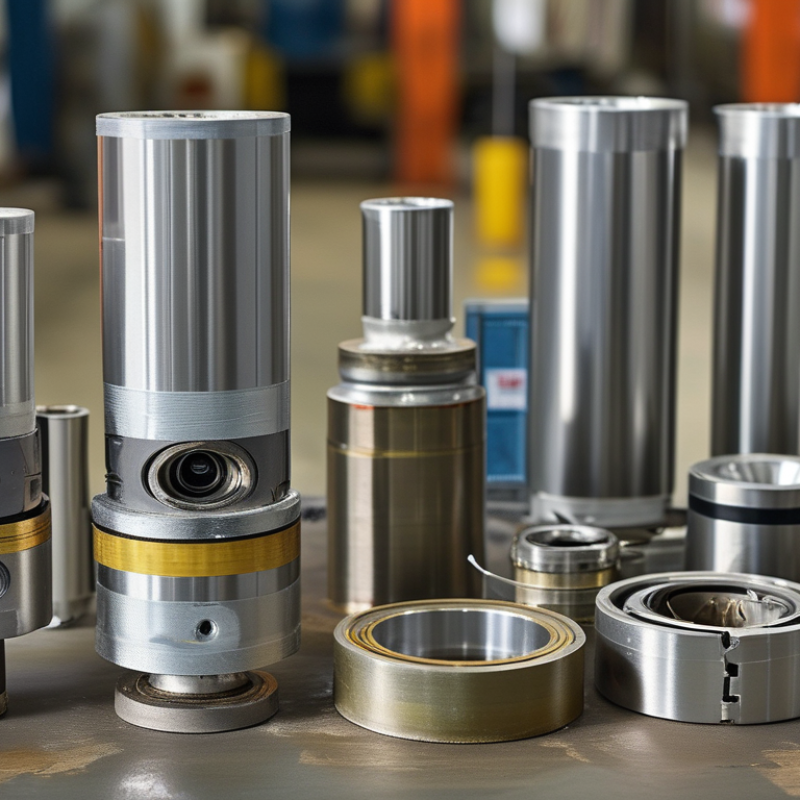
A non-cartridge mechanical seal is vital in many industrial applications. It functions to prevent fluid leakage while maintaining pressure within equipment. Unlike cartridge seals, non-cartridge versions require separate assembly. This can be more challenging but often provides better customization options.
When installing a non-cartridge mechanical seal, precise alignment is crucial. Misalignment can lead to premature seal failure. Similarly, ensure that the components are clean and free from damage. Even a small scratch can compromise performance.
Tips: Always use the right assembly tools. This can help minimize mistakes during installation. Regularly check seals for wear and replace them as needed. Neglecting this step can lead to costly downtime. Remember, an improperly installed seal may seem fine initially but can fail suddenly. Reflect on your maintenance practices and seek improvement continuously. This proactive approach can extend the lifespan of your equipment.
Non cartridge mechanical seals play a crucial role in various industrial applications. They are designed to prevent leakage between rotating and stationary parts. Understanding their key components is essential for global buyers. These components often include rotating and stationary faces, springs, and an elastomer. Each part must work in harmony to ensure effective sealing.
The rotating face is typically made of hard material. This ensures durability against wear. The stationary face, often paired with a softer material, serves to create a reliable seal against leaks. Springs maintain pressure on the faces, which is vital for the seal's performance. Elastomers provide flexibility and adaptability, ensuring the seal withstands fluctuations in temperature and pressure.
Despite their importance, non cartridge mechanical seals can have challenges. Installation may not always be straightforward, affecting performance. Additionally, regular maintenance is crucial. Neglecting it can lead to premature failure. Understanding these components allows buyers to make informed decisions. It’s imperative to consider these factors to ensure optimal performance in your applications.
Non-cartridge mechanical seals are crucial in various industries. They offer flexibility and robustness, making them suitable for challenging environments. These seals are widely employed in pumps, agitators, and compressors. According to a report by Grand View Research, the mechanical seals market size was valued at $3.44 billion in 2020 and is expected to grow at a compound annual growth rate of 5.8% from 2021 to 2028.
The oil and gas sector is one major area utilizing non-cartridge mechanical seals. These seals withstand high temperatures and pressures, ensuring tight sealing in extreme conditions. In the chemical industry, they help prevent leaks of hazardous materials. A 2021 analysis from MarketsandMarkets indicated that the chemical processing industry accounts for over 30% of the global mechanical seals market.
Water treatment facilities also depend on these seals. They are used in pumps to manage water flow and protect against contamination. However, they can sometimes fail due to improper installation or maintenance. Regular inspection is essential to prevent costly downtimes. While non-cartridge mechanical seals have many benefits, users must remain aware of potential limitations and challenges in various applications.
Non-cartridge mechanical seals have become a popular option for many industrial applications. Their design features distinct advantages compared to cartridge seals. One significant benefit is flexibility in installation. Non-cartridge seals provide greater adaptability in tight spaces, allowing for easier alignment. They are particularly beneficial in custom setups where specific configurations are required.
Another advantage is cost-effectiveness. Non-cartridge seals typically have lower upfront costs than cartridge seals. This can be attractive for budget-conscious projects. Maintenance is also simplified. Unlike cartridge seals, non-cartridge versions can often be serviced without extensive disassembly. Reducing downtime is vital for operational efficiency.
However, there are challenges. Non-cartridge seals may require skilled technicians for installation. Incorrect installation can lead to leaks and damage. Additionally, they might not always offer the same level of protection against wear. Evaluating the specific needs of each application is essential. Ultimately, understanding these nuances can lead to more effective seal choices. This aids in achieving long-lasting performance and reduced operational costs.
When it comes to non-cartridge mechanical seals, proper installation is crucial. These seals are often more challenging to install than cartridge types. A precise fit is essential to avoid leakage issues. Begin by cleaning all surfaces thoroughly before assembly. Any contamination can lead to seal failure. Use appropriate tools to ensure the seal is evenly positioned. Misalignment can cause premature wear and tear, which can be costly in the long run.
Maintenance is equally vital for the longevity of non-cartridge mechanical seals. Regular inspection helps in identifying potential problems early. Look for signs of wear, such as discoloration or roughness on sealing surfaces. Lubrication is key but must be applied correctly. Too much lubricant can become a trap for debris, while too little can lead to friction. It is also essential to monitor environmental conditions, as temperature and pressure fluctuations can affect seal performance.
Many users may overlook the importance of documentation. Keeping records of installation and maintenance activities allows for better tracking of the seal's performance. Setting a schedule for regular checks can help mitigate unexpected failures. Reflecting on past experiences can lead to improved practices. Adapting to new findings or standards can enhance the overall reliability of using non-cartridge mechanical seals.
| Dimension | Specification | Material | Application | Maintenance Tips |
|---|---|---|---|---|
| 25mm | Standard | Carbon/Graphite | Water Pumps | Regularly inspect for wear and replace if necessary. |
| 40mm | High-Performance | Ceramic | Chemical Processing | Check seal faces for pitting and replace as needed. |
| 50mm | Custom | PTFE | Food and Beverage | Ensure cleanliness and lubrication for longevity. |
| 75mm | Heavy Duty | Stainless Steel | Oil Refineries | Inspect gaskets for leaks and replace as necessary. |