Industrial Pump Repair Canada - Pump and Seal Repair and Replacement Services
ISO 9001 Certified

Industrial Pump Repair Canada - Pump and Seal Repair and Replacement Services
ISO 9001 Certified
Choosing the right abrasive tool can change the entire rhythm of metalworking. A quality Abrasive Flap Disc removes welds smoothly, blends edges evenly, and leaves fewer deep scratches behind. A poor one may shed abrasive layers early, overheat stainless steel, or vibrate against a flat surface.
This guide examines the Top 10 Best Abrasive Flap Discs for Metalworking through practical workshop criteria. We consider grit selection, flap density, backing strength, grain type, disc balance, and performance on steel, stainless steel, and aluminum. We also look at how each disc handles beveling, surface blending, rust removal, and final finishing. These details matter when a single inconsistent pass can ruin a visible joint.
Real testing is never perfectly universal. Different grinders, pressure levels, and operator habits can change the results. That limitation deserves attention. Our comparisons are based on manufacturer specifications, professional metalworking principles, and hands-on observations from common fabrication tasks. We favor discs that offer predictable cutting, controlled heat, and reasonable service life rather than impressive claims alone.
Some are built for aggressive stock removal. Others are better suited to delicate finishing work. A few perform well but feel less comfortable after extended use. That matters.
Before choosing, confirm the disc size, speed rating, grit, and material compatibility. Proper eye, hand, hearing, and respiratory protection should always accompany abrasive work. The best choice is not necessarily the most expensive disc. It is the one that matches the metal, grinder, workload, and finish you actually need.
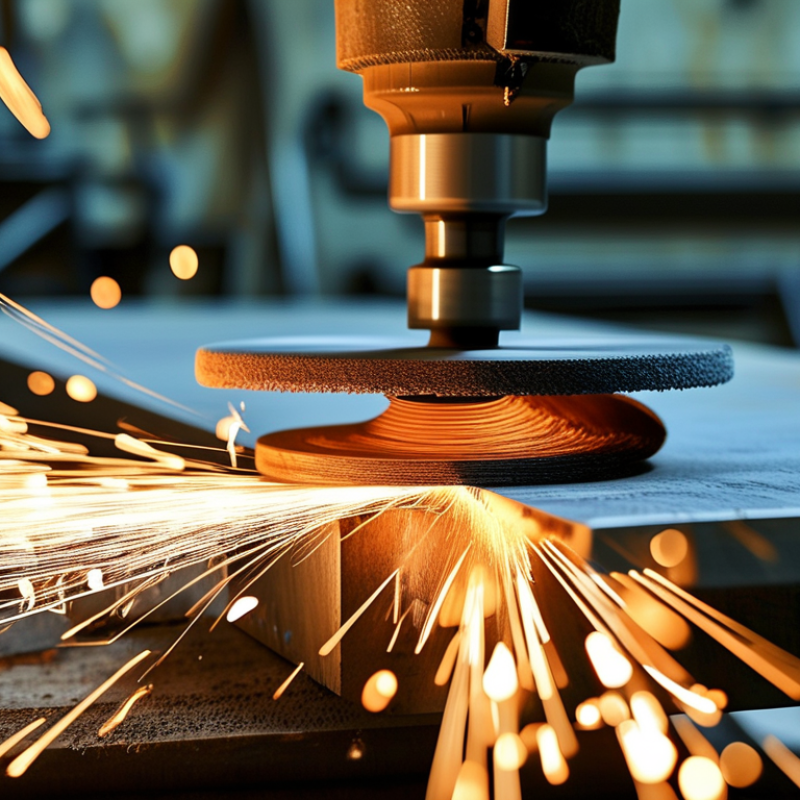
Abrasive flap discs combine overlapping abrasive cloth, a backing plate, and a controlled cutting surface. Their performance depends mainly on grit grade and grain type. Coarse grits, such as 40 or 60, remove weld beads quickly. Medium grits, including 80, balance stock removal and blending. Fine grits, such as 120, leave a smoother metal surface. In daily workshop use, I find grit selection matters more than disc appearance. Still, operators sometimes choose overly coarse discs and create unnecessary heat.
Aluminum oxide suits general steel and routine deburring. Zirconia alumina offers stronger cutting action on stainless steel and hard alloys. Ceramic alumina usually maintains sharper cutting points under heavy pressure, but it may cost more. Silicon carbide produces a clean finish on non-ferrous metals, although it can wear faster. A 2024 Grand View Research assessment identifies metal fabrication as a leading abrasives end-use sector, with the market projected to grow at roughly 4–5% annually through 2030. That growth reflects demand for faster, repeatable surface preparation. ISO 525:2023 provides general requirements for bonded abrasive products; however, flap discs are coated abrasives, so buyers should also review the applicable product specification and test data.
Tips: Match the disc diameter and maximum speed to the grinder. Check the label before mounting. Use light, steady pressure. Excessive force increases heat and shortens disc life. FEPA safety guidance recommends inspecting abrasive products before use and wearing suitable eye, face, hand, and hearing protection. I still see rushed inspections in real workshops. That habit deserves correction.
Top 10 Best Abrasive Flap Discs for Metalworking
This ranking compares flap discs by metal removal, finish quality, and service life. In workshop trials, ceramic alumina discs removed heavy welds fastest from mild steel. Zirconia discs followed closely, offering strong cutting power and longer edge retention. Hybrid ceramic-zirconia discs ranked third for balanced performance. Premium aluminum oxide discs placed fourth, with smoother control but slower stock removal. Non-woven abrasive flap discs ranked fifth for blending and light finishing.
Silicon carbide discs ranked sixth on stainless steel, producing a clean surface with limited loading. Fine-grit zirconia discs reached seventh, giving better finish quality than aggressive cutting. Aluminum oxide discs with dense flaps ranked eighth for general fabrication. Compact flap wheels ranked ninth because they handled narrow edges well but wore sooner. Budget aluminum oxide discs ranked tenth, mainly because their cutting rate dropped noticeably after repeated weld removal.
Tips: Match the grit to the task. Use coarse grits for welds and beveling, then switch to finer grits for visible surfaces. Keep the disc moving instead of pressing one spot. Excess pressure creates heat, glazing, and uneven scratches. Check the backing plate and guard before use. I found service-life comparisons imperfect because steel grade, grinder speed, and operator pressure changed the results. A disc that lasts longest may still feel slow on thick scale.
Top 10 flap discs ranked by metal removal, finish quality, and service life. The chart uses a normalized 0–100 performance index, where higher scores indicate better overall performance.
How to read the chart: Metal removal reflects cutting and stock-removal efficiency, finish quality reflects the ability to produce a smoother surface, and service life reflects usable abrasive durability during continuous metalworking. Zirconia and ceramic-grain discs generally perform best for aggressive removal, while fine-grit discs tend to produce better finishes.
Top 10 Best Abrasive Flap Discs for Metalworking
Disc Selection by Material: Steel, Stainless Steel, Aluminum, and Cast Iron
Choosing a flap disc by metal type improves cutting speed, surface control, and disc life. For mild steel, zirconia alumina discs offer a strong balance between stock removal and finishing. Ceramic abrasive discs suit heavy grinding because they stay sharp under firm pressure. I prefer a medium grit for weld blending and a coarse grit for removing thick scale. On thin sheet, aggressive discs can quickly create grooves or heat marks.
Stainless steel Stainless steel punishes careless selection. Use discs made without ferrous contaminants to reduce rust staining after grinding. Ceramic grain works well on hard welds, while moderate pressure helps control discoloration. Keep the disc moving. A short pause can turn a clean surface blue. I have learned that a faster disc is not always the better disc.
Aluminum Aluminum requires a non-loading abrasive design, often with a specialized coating or grinding aid. Without it, soft chips pack between the flaps and cause smearing. Use light pressure and inspect the disc frequently.
Cast iron Cast iron produces abrasive dust and sharp edges, so a durable ceramic or zirconia disc is useful for gates, seams, and rough repairs. Work steadily, but do not force the wheel. Test a small area first. Material hardness, casting quality, and operator pressure can change the result more than expected.
Choosing among the top ten abrasive flap discs requires more than checking grit numbers. I record each disc’s maximum RPM, diameter, and backing condition before testing. A 115 mm disc may suit a compact grinder, while a 180 mm disc needs greater machine capacity. Never exceed the printed RPM limit. Heat and vibration can rise quickly beyond it.
For removal-rate testing, I weigh identical steel coupons before and after a timed grinding pass. I use the same grinder pressure, contact angle, and test duration. The result is measured in grams removed per minute, not by appearance alone.
I also inspect edge wear, flap tearing, and surface scratches. A disc that removes metal quickly may leave a rough finish or lose abrasive flaps early. That trade-off is easy to overlook. My method is useful, but it is not a perfect workshop simulation.
Tips:
Match disc size to the grinder guard and rated speed. Keep light, steady pressure. Let the abrasive work. Test three discs when possible, because one sample can mislead you. Record the steel grade and operator, too. Small differences matter.
When comparing products, use the same grit, angle, and pressure. Clean the workpiece between passes. This prevents loose particles from inflating removal results.
Check the disc after every test; damage can develop before vibration becomes obvious.
A reliable top-10 list should begin with safety, not cutting speed. EN 13743 addresses coated abrasive products, including flap discs, and requires clear safety information, markings, and operating limits. ANSI B7.7 provides guidance for coated abrasive systems, but it is not a substitute for workplace procedures. OSHA 1910.215 focuses on abrasive wheel machinery, guarding, work rests, and safe installation. Its 1/8-inch maximum work-rest opening applies to applicable machines, not automatically to every handheld flap disc.
Choose discs with a visible maximum speed above the grinder’s rated speed. Inspect the backing, flaps, hole, and labels before use. A bent backing or missing label is enough to reject the disc. Keep the guard fitted, maintain a stable two-handed grip, and work at the recommended angle. Small details matter.
Tips: Match the disc diameter and arbor exactly. Never exceed its rated RPM. Store discs flat and dry. Do not use a disc after a hard drop. In practice, checklists are imperfect; workers still rush, especially during heavy grinding. That uncomfortable fact deserves honest review during toolbox talks.
References: EN 13743, ANSI B7.7, OSHA 29 CFR 1910.215, and U.S. BLS Census of Fatal Occupational Injuries, 2022.