Industrial Pump Repair Canada - Pump and Seal Repair and Replacement Services
ISO 9001 Certified
Industrial Pump Repair Canada - Pump and Seal Repair and Replacement Services
ISO 9001 Certified
A malfunctioning pump system can disrupt your daily operations. Understanding the intricacies of pump system troubleshooting is essential. Properly functioning pumps are vital for various applications. When issues arise, it’s crucial to diagnose them quickly and efficiently.
Common symptoms include strange noises, low pressure, or unexpected shutdowns. Such problems can stem from various causes: clogs, leaks, or electrical failures. Every detail matters when identifying the root cause. Even a small oversight can lead to larger issues down the line.
Consider your setup carefully. Is your pump properly sized for your needs? Are there any visible signs of wear? Regular maintenance can prevent many problems. Take the time to review your system. Reflecting on your operational habits may uncover areas for improvement. Troubleshooting may not always yield quick solutions, but it’s a vital process for long-term reliability.
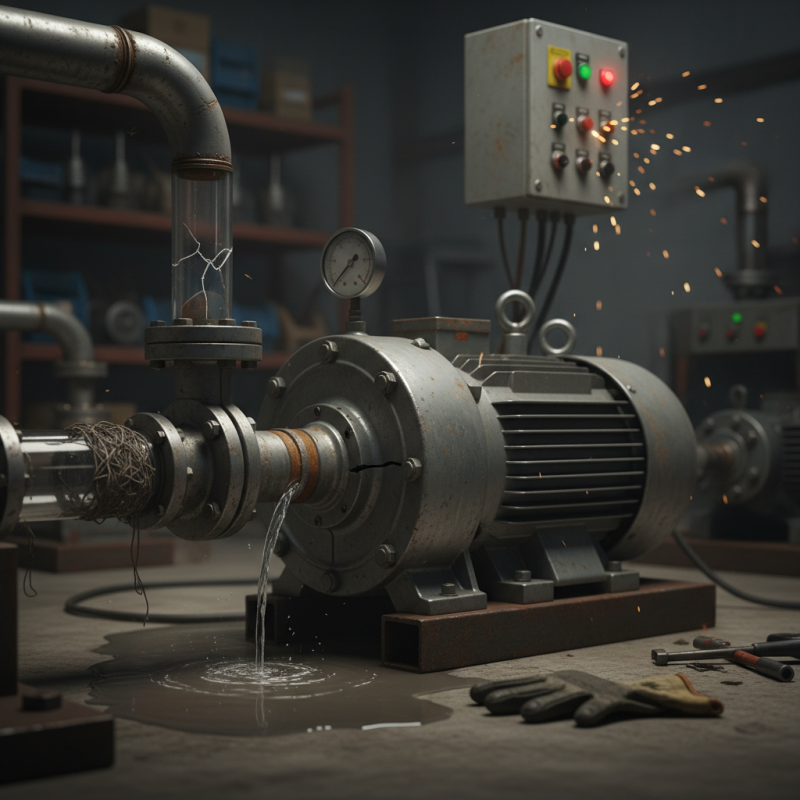
Pump systems play a vital role in many applications. When they fail, it can lead to significant disruptions. Understanding common causes of pump system failures is essential for effective troubleshooting.
One frequent issue is a clogged filter. This can restrict flow and lead to overheating. Regular maintenance can prevent this problem. Another common issue is a worn-out impeller. If the impeller is damaged, the pump will struggle to maintain pressure. In many cases, this requires a complete replacement. Pay attention to unusual noises during operation. These could indicate mechanical failure or misalignment.
Leakage is also a major concern. Inspect seals and gaskets for wear. A small leak can escalate into a major problem if left unaddressed. It's not just about fixing the problem but understanding its origin. Sometimes, the issue may lie in inconsistent power supply. Sudden fluctuations can result in insufficient pump performance. Regular checks and updates on the power supply are crucial for reliability.
This chart illustrates the common performance issues faced by pump systems, along with their frequency of occurrence. Addressing these issues can help ensure optimal operation and longevity of the pump system.
Pump cavitation is a common issue that can severely affect system efficiency. This phenomenon occurs when the pressure in the pump drops below the vapor pressure of the liquid. Bubbles form and collapse, resulting in damage to the impeller and increased noise levels. If your system is experiencing a drop in performance, cavitation might be the culprit. Addressing this requires careful observation.
To troubleshoot cavitation, first check the pump inlet conditions. Are there any obstructions? Insufficient liquid supply can cause pressure to drop. Ensure the suction line is clear and correctly sized. Monitoring temperature is also essential; higher temperatures lower fluid density, which can exacerbate cavitation. Adjusting pump speed might help as well. Lower speeds reduce the likelihood of cavitation but may affect overall flow.
Examining system design is crucial, too. Sometimes the pump is simply too small for the application. A mismatch in pumping and system requirements can lead to persistent issues. Look for signs of wear on the impeller as well; this can indicate recurrent cavitation. Regular maintenance checks can prevent these issues and prolong pump life. Remember, understanding the specific parameters of your pump system is key.
| Issue | Impact on Efficiency | Troubleshooting Steps |
|---|---|---|
| Pump Cavitation | Reduces flow rate and can cause damage over time. | Increase inlet pressure, reduce pump speed, or check for air leaks. |
| Clogged Filters | Decreases water flow, increasing energy consumption. | Clean or replace filters regularly to ensure proper flow. |
| Incorrect Pump Sizing | Inefficient operation leading to increased wear and tear. | Re-evaluate system requirements and replace with appropriately sized pump. |
| Worn Impeller | Lowers overall performance and efficiency. | Inspect and replace impeller if wear is significant. |
| Air Leaks | Causes loss of prime and lowers suction capacity. | Check and seal connections, joints, and gaskets. |
Regular maintenance and inspection are crucial for pump systems, especially those operating over 25% efficiency. Pump systems can experience wear and tear, affecting performance. Routine checks help identify issues early, preventing costly breakdowns. Inspections can reveal signs of wear, leaks, or misalignment that might not be apparent during regular operation.
Maintaining efficient pumps leads to energy savings and longer equipment life. Without proper upkeep, efficiency declines. Aging components may struggle under normal loads, causing potential hazards. Checking seals, bearings, and electrical connections helps ensure smooth operation. Timely repairs and adjustments are key to minimizing downtime.
Many overlook the importance of these practices. An ignored pump can lead to serious problems. Users might think their systems are running fine until performance drops. An effective maintenance schedule can help mitigate these risks. Regular documentation of maintenance activities creates accountability and reliability in operations.
Proper pump system sizing is crucial for optimal performance. An oversized pump can lead to excessive energy consumption and increased wear. Conversely, an undersized pump may not provide the necessary flow and pressure, resulting in system failure. According to the Hydraulic Institute, roughly 30% of industrial pumps operate at less than 50% efficiency due to poor sizing.
Choosing the right size requires accurate calculations of the system's total dynamic head and flow requirements. Many operators overlook friction losses in pipes, leading to miscalculations. In some cases, system design assumes ideal conditions that rarely occur. A study by the U.S. Department of Energy reveals that improper sizing contributed to 20% of maintenance costs in pump systems.
Regular audits and performance testing can help identify sizing issues. Operators should collect data over time to ensure systems run efficiently. Utilizing tools like pump performance curves can aid in understanding how to avoid common pitfalls. This proactive approach not only reduces downtime but also extends the life of the equipment.
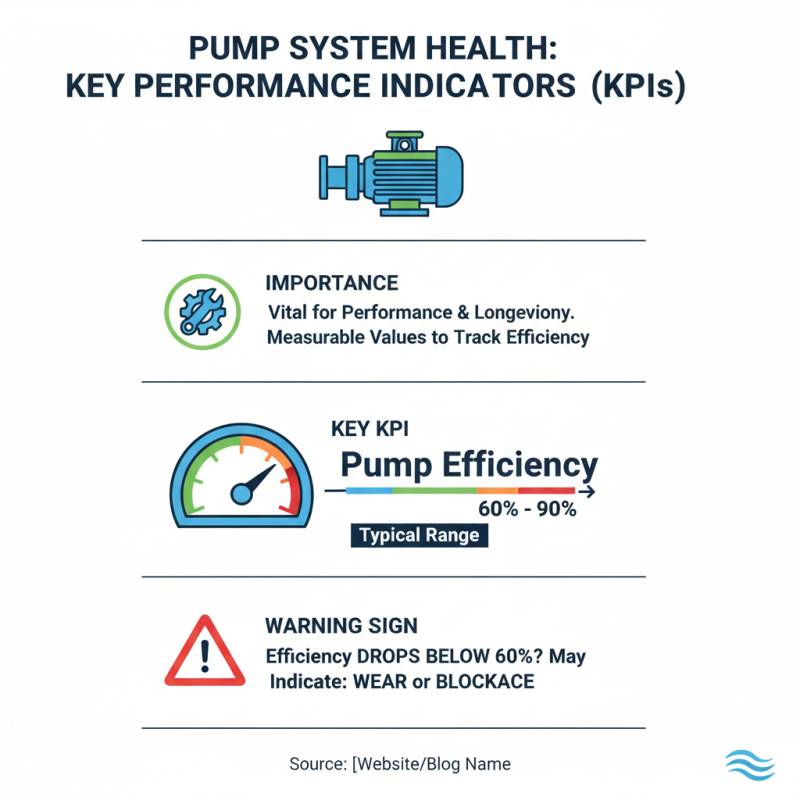
Monitoring the health of your pump system is vital for its performance and longevity. Key Performance Indicators (KPIs) provide measurable values to track system efficiency. One critical KPI is pump efficiency, which typically ranges from 60% to 90%. If efficiency drops below this threshold, it may signify wear or blockage.
Another essential KPI is vibration levels, as excessive vibration can indicate mechanical issues. Studies show that maintaining vibration levels below 0.5 inches per second can prolong pump life. Additionally, monitoring flow rate is crucial. Deviation from the designed flow rate by more than 10% may signal underlying issues.
Temperature is also a key aspect to track. A rise in temperature of more than 10% could lead to overheating. This can result in seal failures and further complications. Regularly assessing these KPIs enables prompt detection of issues, ensuring that repairs are conducted before they escalate. By staying vigilant, operators can optimize performance and reduce downtime.