Industrial Pump Repair Canada - Pump and Seal Repair and Replacement Services
ISO 9001 Certified

Industrial Pump Repair Canada - Pump and Seal Repair and Replacement Services
ISO 9001 Certified
In today's competitive industrial landscape, the efficiency and longevity of machinery are paramount. A key component that can significantly enhance these factors is the Motor Start Capacitor. Data from the National Electrical Manufacturers Association (NEMA) shows that improper motor startup can lead to a staggering 30% increase in energy consumption and a considerable reduction in equipment lifespan.
Motor Start Capacitors are essential for providing the initial surge of energy required to start motors. These components assist in overcoming inertia during startup and ensure smooth operation thereafter. Recent studies highlight that motors without suitable start capacitors often fail prematurely, leading to costly downtime and repairs.
While many operators may overlook this vital component, investing in quality Motor Start Capacitors can yield substantial savings. It is crucial to choose capacitors that meet the specific needs of your machinery. Not all capacitors are created equal, and ensuring compatibility is a common oversight. Awareness and understanding are key to optimizing motor performance and reducing operational costs.
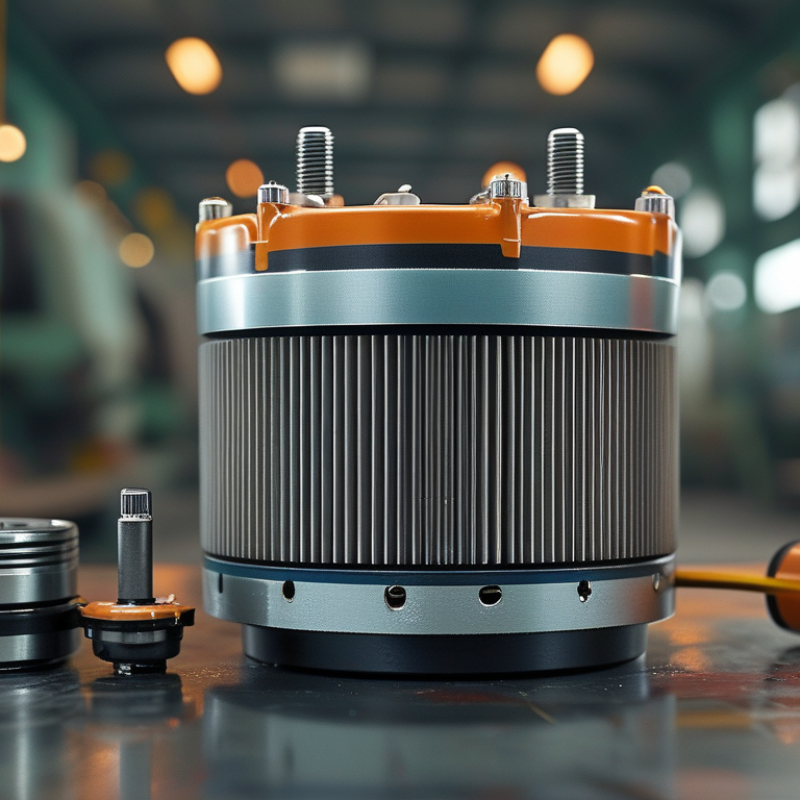
Motor start capacitors are vital components in various types of electrical equipment. They provide the necessary boost of energy to start motors. Without them, motors struggle to overcome initial inertia. This results in inadequate torque for startup, which can lead to equipment failure. Understanding this function sheds light on why they are essential.
When a motor starts, it requires more current than it does during normal operation. The motor start capacitor stores energy and releases it quickly. This quick release helps create a stronger magnetic field, allowing the motor to start efficiently. If a capacitor fails, the motor may not start at all or may experience issues like overheating.
Identifying a failed capacitor can be tricky. Signs may include unusual humming sounds or the motor stalling. Regular maintenance checks are crucial. A replacement capacitor should match specifications to ensure optimal performance. Investing time in understanding these components can prevent costly repairs down the line. This awareness promotes reliability and efficiency in equipment operation.
Motor start capacitors play a crucial role in the performance of electrical motors. These components provide the necessary boost of energy to kick-start motors that require more power during startup. According to a report by the Electric Power Research Institute, nearly 30% of motor failures are attributed to inadequate starting capabilities. This statistic highlights the significance of having the right capacitor in place.
When an electric motor is turned on, it often draws a surge of current much higher than its normal running current. Without a motor start capacitor, this surge can lead to excessive wear and tear. The American Society of Mechanical Engineers found that motors fitted with the appropriate capacitors can achieve a starting torque that is up to 50% higher. This translates to a smoother operation and increased longevity of equipment.
The installation and sizing of motor start capacitors are not without challenges. Over-sizing can lead to overheating, while under-sizing may fail to deliver sufficient power. A study by the International Electrotechnical Commission revealed that improperly sized capacitors can reduce motor efficiency by up to 20%. These factors underscore the importance of proper selection and maintenance of motor start capacitors to ensure optimal electrical motor performance.
Motor start capacitors play a crucial role in enhancing the energy efficiency of equipment. They provide the necessary extra boost to get motors running, especially during startup. When electric motors begin, they require significant torque. Without a motor start capacitor, the equipment simply may not operate efficiently.
The improved energy efficiency comes from reduced energy loss during the startup phase. A properly functioning motor start capacitor helps in minimizing voltage drops. This ensures that the motor reaches its operational speed more quickly, leading to less energy waste. For industrial applications, this efficiency translates into lower energy bills and reduced wear and tear on machinery.
However, not all capacitors are created equal. Users should be cautious about choosing the right type and rating for their equipment. Installing an incorrect capacitor can lead to inadequate performance or even damage. Regular maintenance checks can ensure that capacitors are functioning effectively. Awareness of these details allows for better decision-making regarding energy efficiency in your operations.
A motor start capacitor plays a crucial role in the functioning of various machinery. Identifying the signs of a failing capacitor can save you time and costly repairs. One of the first symptoms to watch for is difficulty starting the motor. If the motor struggles or takes longer than usual to begin, the capacitor may be at fault. This initial sign often appears subtle but shouldn’t be ignored.
Another telltale sign is an unusual humming noise coming from the motor. When the motor is trying to start but fails, it may emit a low hum. This sound indicates that the motor is receiving power but not enough to initiate the startup process. Additionally, if the motor frequently overheats, that’s a clear warning sign. Overheating often suggests that the capacitor isn’t providing the necessary boost to start the motor properly.
Lastly, physical damage can also indicate a failing capacitor. Look for any bulging, leaking, or burnt marks on the capacitor. In some cases, you may notice a burnt smell near the motor. These are all tangible symptoms that demand immediate attention. Neglecting these signs could lead to further damage, resulting in a more complex repair. Addressing these issues promptly can extend the life of your equipment and improve its performance.
| Description | Signs of Failure | Possible Consequences | Recommended Action |
|---|---|---|---|
| Motor Start Capacitor | Difficulty starting, unusual noises | Motor overheating, reduced efficiency | Inspect and replace if necessary |
| Capacitor Degradation | Fluctuating performance, humming sound | Equipment malfunction, risk of failure | Test the capacitor, consider replacement |
| Electrical Shorts | Burnt smell, visible damage | Fire hazard, complete system failure | Immediate replacement required |
| Age of Capacitor | Old installation, reduced torque | Lowered performance, potential breakdown | Schedule regular maintenance and check |
| Voltage Rating Issues | Inconsistent voltage, tripping circuit | Equipment damage, power interruptions | Ensure correct capacitor for specs |
Choosing the right motor start capacitor is crucial for efficient equipment performance. Capacitors help motors start quickly and smoothly. Selecting the correct capacitor reduces energy costs and extends motor lifespan. According to the Electric Power Research Institute, improper capacitor selection can lead to a 10% increase in energy consumption.
Understanding the specifications of your motor is essential. Capacitor values, such as capacitance and voltage rating, must match. A mismatch can cause overheating or equipment failure. The rated capacitance typically ranges from 10μF to 100μF for common applications. Always refer to the equipment manual for guidance on choosing the right capacitor.
**Tips:**
Check for the original capacitor’s specifications before purchasing a replacement. Consider using a digital multimeter to measure capacitance. This ensures accuracy in matching your motor's needs.
Evaluating the environment is equally important. High temperatures or humidity can affect capacitor performance. Regular inspections can help detect worn capacitors before they fail. This proactive approach increases reliability and performance in various applications.