Industrial Pump Repair Canada - Pump and Seal Repair and Replacement Services
ISO 9001 Certified

Industrial Pump Repair Canada - Pump and Seal Repair and Replacement Services
ISO 9001 Certified
A Maize Flour Mill Machine converts whole maize kernels into flour through cleaning, conditioning, grinding, and sifting. Its job sounds simple. The details are not. Screen size, moisture, roller settings, and airflow all affect flour texture, extraction, and consistency. A poorly adjusted mill can leave coarse particles in one bag and excess heat in another.
The scale matters. The U.S. Department of Agriculture’s February 2025 World Agricultural Supply and Demand Estimates projected global corn production at about 1.22 billion metric tons for the 2024/25 season. That figure describes grain production, not flour output, but it shows why dependable processing equipment matters. A mill may serve a small local processor or operate within a larger production line. In either case, operators need to match capacity, power use, maintenance needs, and intended flour grade to their actual conditions. Specs alone can mislead.
Agronomist Norman Borlaug’s words offer a wider perspective: “You can’t build a peaceful world on empty stomachs and human misery.” Milling equipment does not solve food insecurity by itself. It can, however, help turn harvested maize into a usable staple. A practical introduction should explain what the machine does, how its main components work, and what buyers should check before choosing one. Those checks deserve care; no single machine suits every grain, budget, or operating environment.
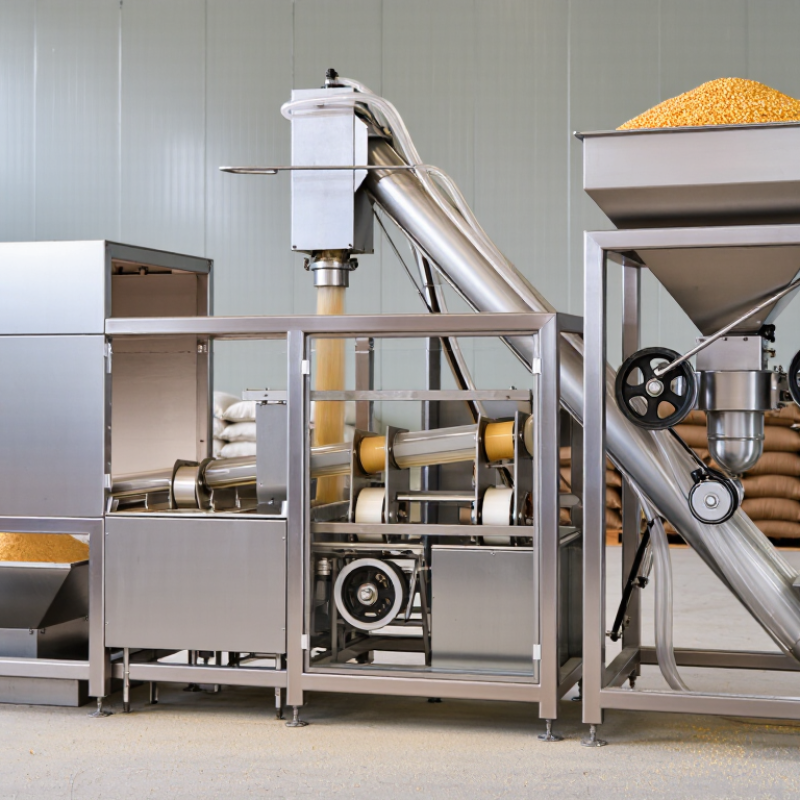
A maize flour mill machine processes cleaned maize kernels into flour or meal through controlled grinding and sifting. Depending on its design, it may also remove the germ and bran, producing a finer, lighter product. Its purpose is to turn harvested grain into a consistent ingredient for foods such as porridge, flatbreads, and baked goods. It is not simply a large grinder. Screens, airflow, and adjustable settings help control particle size and product quality.
The scale of maize production explains why efficient processing matters. FAOSTAT recorded roughly 1.16 billion tonnes of maize produced worldwide in 2022. That figure describes the crop, not the quantity milled into flour. A mill’s capacity should therefore match local supply, power availability, and customer needs. Small mills may suit community-scale processing, while larger systems handle higher daily volumes. Operators still need to check moisture, remove stones, and inspect flour regularly. Real-world results vary.
Tip: Ask for a sample grind before choosing a mill. Check whether the flour’s texture and output rate suit your intended use. A machine can meet its stated capacity yet perform differently with damp or uneven kernels. That detail is easy to miss.
A maize flour mill machine processes maize into flour by carrying out a series of operations. This chart shows the typical order of steps in a dry-milling workflow.
How to read the chart: The bar values show workflow position, not processing time, capacity, or output. Exact operations vary by milling system; conditioning and degermination may not be used in every process.
What Is a Maize Flour Mill Machine?
Main Components and Their Functions
A maize flour mill machine cleans, conditions, breaks, and separates kernels into flour and other fractions. Its layout depends on the product and the grain’s condition. The scale matters: FAO’s World Food and Agriculture Statistical Yearbook 2024 reports global maize production of about 1.2 billion tonnes in 2022. A small cleaning fault can affect a large batch.
The cleaner removes stones, dust, and light debris using screens and airflow. A magnet can catch stray metal before it reaches the grinding section. The conditioning unit adds controlled moisture, helping loosen the bran; operators must allow enough resting time. Too much water is a problem. A degerminator or dehuller then separates parts of the kernel, though some mills combine these steps.
Roller mills or hammer mills reduce the prepared maize to smaller particles. Roller gaps influence particle size, while hammer mills use impact. A sifter sorts the ground material through mesh screens, sending coarse particles back for further milling. An aspirator draws away lighter bran and dust. Conveyors connect each stage, and a control panel lets operators monitor settings and motor loads. These parts do not guarantee consistent flour. Worn screens, uneven grain moisture, or rushed adjustments can still change the result. That detail is easy to overlook.
What Is a Maize Flour Mill Machine?
How Maize Is Processed into Flour
A maize flour mill machine turns cleaned kernels into flour through controlled preparation, separation, grinding, and sifting. The process starts with removing dust, stones, and damaged grain. Magnets may catch stray metal. FAOSTAT records about 1.16 billion tonnes of maize production worldwide in 2022, showing the scale of this crop’s food supply. That figure describes production, not the amount milled into flour.
After cleaning, kernels are conditioned with water to loosen the outer layer and prepare them for milling. A degerminator separates much of the germ and bran from the starchy endosperm; the chosen settings affect flour texture and yield. Rollers or impact mills reduce the endosperm to smaller particles, and screens sort flour by size. Coarse material can return for another pass. The details matter: over-milling can heat the product, while poor separation leaves a darker, less uniform flour. FAO grain-storage guidance recommends drying maize to around 13% moisture or lower for safer storage; actual targets depend on conditions and storage duration.
Tips: Check grain moisture before milling, and inspect screens for blockages. Keep a small sample from each batch. It helps reveal changes in color or texture. Milling settings are not universal; they may need adjustment for the grain and the flour’s intended use.
A maize flour mill machine reduces dried maize kernels into flour by applying pressure, impact, or grinding action. The common types differ in output texture, capacity, and how much adjustment they allow. The right choice depends on the intended product, available power, and cleaning routine—not just the machine’s size.
A plate mill uses rotating discs to crush kernels. Operators can often adjust the gap to change flour fineness, though heat and wear may affect consistency during long runs.
A hammer mill uses fast-moving hammers to break maize against a screen. Changing the screen size alters the particle size, making this type useful for varied meal and flour grades. It can be noisy.
Roller mills pass kernels between paired rollers and are suited to controlled, even milling, but need careful setup and maintenance.
Stone mills grind slowly between textured stones, producing a distinct, sometimes coarser flour. They may appeal to small-scale processors, though output can be limited.
In practice, kernel dryness, screen condition, and regular cleaning all matter. A machine that looks suitable on paper may still produce uneven flour if feed rates fluctuate. That part is easy to overlook.
Applications and Key Operating Considerations
A maize flour mill machine processes cleaned maize into flour or meal for cooking and food production. Depending on its design, it may use plates, rollers, or hammers to reduce the kernels. Small mills can serve local shops and community kitchens, while larger systems supply bakeries and food processors. The finished texture matters: fine flour suits doughs, while coarser meal works well in porridge and other dishes.
Good operation starts before grinding. Remove stones and metal, then check that the maize is dry enough for the mill’s specifications. Excess moisture can cause clogging and uneven output. Too much heat may also affect flour quality. Adjust the feed rate gradually, and check the flour with a sieve rather than relying on appearance alone. There is no single setting for every batch. A setting that works in the morning may not suit maize stored in a more humid room.