Industrial Pump Repair Canada - Pump and Seal Repair and Replacement Services
ISO 9001 Certified

Industrial Pump Repair Canada - Pump and Seal Repair and Replacement Services
ISO 9001 Certified
Choosing the right Delta Frequency Drive is not simply a matter of matching motor power. It requires careful attention to load behavior, operating conditions, control requirements, and future maintenance. A small workshop fan, a conveyor carrying uneven boxes, and a pump running continuously demand different drive characteristics. The nameplate is only the beginning.
Yancey Hai, chairman of Delta Electronics, has expressed Delta’s guiding purpose as: “To provide innovative, clean and energy-efficient solutions for a better tomorrow.” This principle matters when selecting a Delta Frequency Drive. Efficiency should be measured under real operating conditions, not only in a catalog table. Check the motor’s rated current, starting torque, speed range, overload capacity, and required braking performance. Also consider dust, humidity, enclosure space, cable length, and ambient temperature.
Real installations often expose details that specifications overlook. A drive may operate well during a factory trial, then trip when the conveyor starts with a full load. That possibility deserves attention. Variable-torque pumps may need different settings from constant-torque mixers. Sensorless vector control can improve low-speed torque, but it may require accurate motor data and commissioning time. Communication protocols, safety functions, spare-part access, and technician familiarity also affect long-term reliability.
There is no perfect selection. Engineers sometimes focus too heavily on purchase price and underestimate commissioning effort. Others choose excessive capacity without checking efficiency or cabinet space. This guide examines those trade-offs clearly, helping readers select a Delta Frequency Drive that fits the application, not merely the brochure.
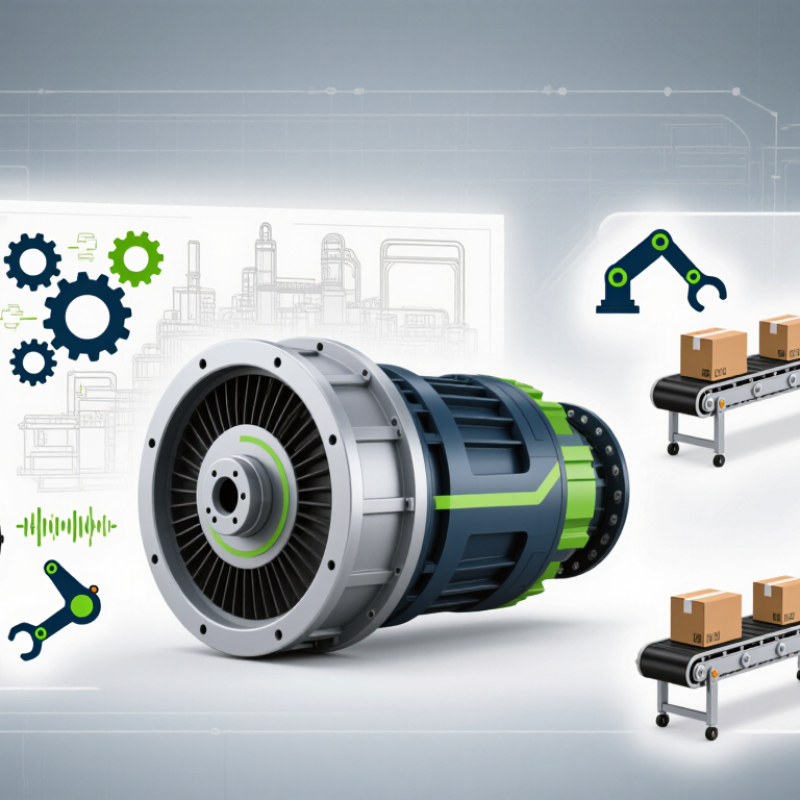
Understanding frequency drive types starts with the load, not the product label. A standard variable-frequency drive suits pumps, fans, and conveyors with steady torque demands. These systems need smooth starting, adjustable speed, and basic overload protection.
Pump control is a major energy opportunity. The International Energy Agency reports that electric motor systems consume about 50% of global electricity. Small speed reductions can therefore produce meaningful savings.
For hoists, mixers, and extruders, sensorless vector drives provide stronger low-speed torque and better speed regulation. Closed-loop vector drives add encoder feedback for precise positioning and rapid load changes. Regenerative drives can return braking energy to the electrical system, but their extra cost needs careful justification. Medium-voltage drives fit larger industrial motors and long operating hours. They require more complex installation and maintenance.
The application environment matters just as much. Dusty workshops may need higher enclosure protection, while coastal sites demand corrosion-resistant construction. Check motor current, overload class, cable length, harmonics, and braking requirements before choosing.
The U.S. Department of Energy notes that motor-driven equipment represents roughly 70% of industrial electricity use in the United States (DOE, Improving Motor and Drive System Performance, 2014).
That figure makes efficiency important, but it does not guarantee quick payback. I still verify real operating hours, because assumed loading is often wrong. Test the drive with the actual motor and process. Small details matter.
Selecting the right frequency drive begins with the motor, not the drive panel. Record rated voltage, full-load current, base frequency, speed range, insulation class, and starting torque. The motor nameplate is essential, but it is not the whole story. Older motors may overheat under prolonged low-speed operation.
Load behavior determines the drive’s real duty. Pumps and fans usually follow variable-torque demand, while conveyors, mixers, and compressors may require constant torque. The U.S. Department of Energy reports that motor systems represent more than half of industrial electricity use. The International Energy Agency estimates electric motor systems consume roughly 53% of global electricity. Small sizing errors can therefore create measurable operating costs. Field commissioning also shows a practical problem: calculated load profiles often differ from seasonal site conditions.
Control requirements deserve equal attention. Define acceleration time, braking method, speed regulation, overload capacity, communication protocol, and safety functions. A simple speed command may suit a ventilation fan. A tension-sensitive machine may need closed-loop feedback and precise torque control. Do not select by horsepower alone.
Tips: Measure running current at several loads. Check minimum operating speed. Confirm the drive’s overload rating. Test the motor-drive combination under its hottest expected conditions. A perfect specification rarely exists; revisit assumptions after commissioning, because real loads can be surprisingly uneven.
Defining the motor, load, and control requirements is the first step in selecting a suitable variable frequency drive. The chart below shows representative preliminary requirements for common industrial applications. Final selection should be verified against the motor nameplate, load profile, ambient conditions, braking needs, and applicable electrical standards.
Reading the chart: Motor power indicates the approximate motor rating, overload capacity reflects the short-term torque demand, and the speed range shows the expected operating frequency. Constant-torque loads such as conveyors and mixers generally require greater overload capability than centrifugal fans and pumps.
Comparing drive specifications starts with the motor, not the catalog cover. Check the motor’s rated voltage, current, frequency, and power before comparing models. A drive with higher output power may still be unsuitable if its overload rating is weak. For pumps, normal-duty capacity may be enough. Conveyors and mixers often need 150% overload for one minute or more. Confirm this value in the technical manual. Small differences matter.
Control performance also deserves close attention. Sensorless vector control can maintain stronger torque at low speed than basic voltage control. However, actual results depend on motor data and correct commissioning. Review the speed range, braking method, acceleration time, and carrier-frequency settings. A workshop test can reveal problems that specifications hide. Listen for motor noise at 8 kHz. Check temperature after a long, slow-speed run. It may be higher than expected.
Environmental specifications are equally practical. An enclosure rated for dust and moisture can reduce installation risk, but cable glands still need proper sealing. Compare input current, harmonic limits, efficiency, cooling clearance, and protection functions. Built-in overload, overvoltage, and stall protection support safer operation. Communication options should match the control system, not merely appear on a feature list. Installation experience suggests leaving space for airflow and service access. I once treated compact size as an advantage, then found maintenance unnecessarily difficult. That choice needed more thought.
How to Choose the Right Delta Frequency Drive?
Checking Installation, Compatibility, Safety, and Operating Conditions
Choosing a delta frequency drive begins with the installation site, not the catalog page. Check the available supply voltage, phase arrangement, and incoming frequency. Confirm that the drive matches the motor’s rated voltage, current, power, and base frequency. Motor nameplates can be unclear after years of use. Photograph the plate before ordering.
Allow space for cooling. Dust, moisture, vibration, and nearby heat sources can shorten service life. Measure the cabinet temperature during the hottest operating period, not only during a morning inspection. High altitude may require current derating. A sealed enclosure helps against dust, but it can trap heat. I have seen this mistake repeatedly.
Safety depends on more than selecting the correct size. Use suitable overcurrent protection, grounding, cable separation, and an accessible isolation device. Follow local electrical requirements and the drive manufacturer’s installation instructions. Keep control wiring away from motor cables where possible. Confirm that emergency-stop arrangements remove hazardous motion without creating a new risk. Qualified personnel should complete wiring and commissioning.
Compatibility also includes the application. Pumps, conveyors, fans, and high-inertia loads may need different acceleration settings or overload capacity. Check the motor insulation, braking demands, and expected starting frequency. Test low-speed operation carefully. A drive may run smoothly without a load, then trip under real production conditions. Record current, temperature, fault codes, and acceleration behavior during commissioning. Some assumptions will be wrong. That is useful evidence.
Choosing the right frequency drive starts with the motor and the complete control system. Check the motor’s rated voltage, current, power, frequency, and overload requirements. Do not select a drive by horsepower alone. A conveyor carrying heavy loads may need higher starting torque and stronger overload capacity.
Confirm the available power supply before ordering. A single-phase input cannot always replace a three-phase model. Check output voltage, motor cable length, braking needs, enclosure rating, and cooling conditions. The drive must also communicate correctly with the PLC, sensors, and control panel. During commissioning, verify acceleration, deceleration, direction, fault signals, and emergency stopping functions. I once saw a suitable drive fail in testing because the control signal used the wrong voltage. Small details matter. Sometimes the manual is clear, but the wiring drawing is not.
Tips: Record every system requirement in a simple checklist. Ask the supplier to confirm compatibility in writing. Test the motor at low speed first. Leave space for ventilation. Review harmonic limits when sensitive equipment shares the same power source. Do not ignore future expansion, either. A drive that fits today may become restrictive after adding another motor or communication module. I also recommend checking local electrical standards and having a qualified technician review the installation. Oversizing seems safer, but it can reduce control accuracy and increase cost. That assumption deserves a second look.