Industrial Pump Repair Canada - Pump and Seal Repair and Replacement Services
ISO 9001 Certified
Industrial Pump Repair Canada - Pump and Seal Repair and Replacement Services
ISO 9001 Certified
When selecting an Automatic Transfer Pump, several crucial factors come into play. The global market for such pumps is expected to reach USD 2.4 billion by 2027, showcasing their importance across industries. An Automatic Transfer Pump efficiently moves liquids between tanks, making them ideal for agriculture, construction, and chemical processes. However, understanding the specific needs of your application is vital.
Different pumps cater to varying capacities, fluid types, and transfer distances. Research indicates that 30% of users overlook these specifications, leading to inefficiencies. Additionally, maintenance requirements are a significant consideration; neglecting them can significantly shorten the pump's lifespan. Choosing a reliable brand and reading user reviews can aid in making an informed decision.
Moreover, safety features are paramount. With risks of leaks and overflows, pumps must comply with industry standards. A robust warranty can also reflect a manufacturer’s confidence in their product’s quality. Ultimately, while the selection process demands careful thought, aligning the pump's capabilities with performance expectations can lead to successful outcomes.
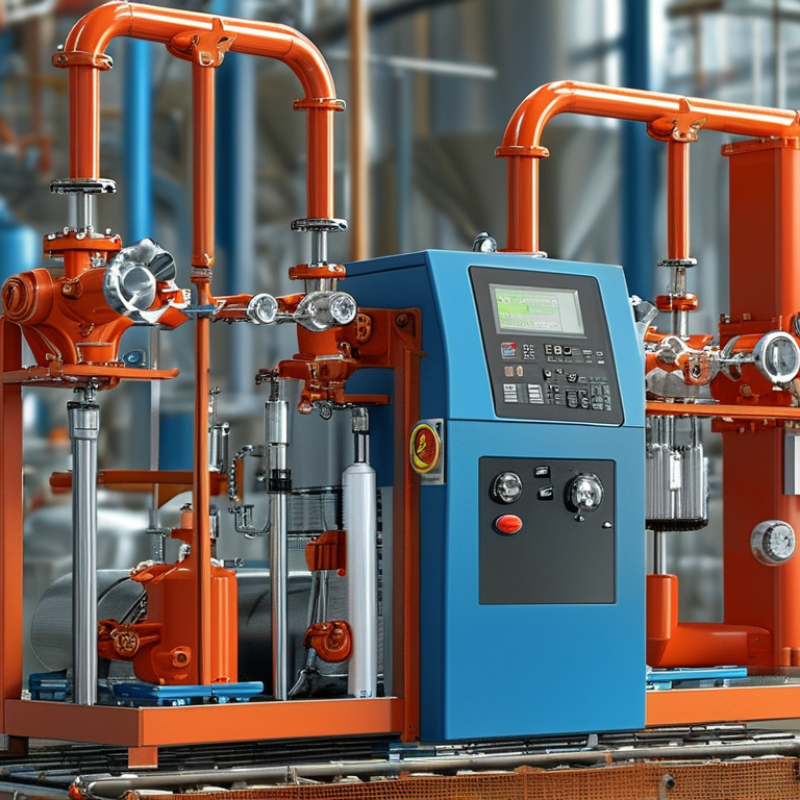
When selecting an automatic transfer pump, capacity and flow rate play crucial roles. Capacity refers to the volume of fluid the pump can handle over time. Flow rate measures how quickly the fluid can move through the system. Both factors influence efficiency and determine if the pump meets your needs.
Tips: Assess your specific application needs carefully. Calculate the total volume and desired transfer time. This helps you avoid selecting a pump with too low or too high a capacity. An overly powerful pump can waste energy and increase costs. A pump that's too weak might not complete the job effectively.
Environmental conditions can greatly affect pump performance. For example, temperature, viscosity, and the type of fluid being transferred all influence flow rates. It's essential to consider these aspects during selection. Choosing a pump without this awareness may lead to unsatisfactory performance or even equipment failure.
Tips: Regularly review your pump’s performance. Monitor the fluid conditions to optimize operation. This can prevent unexpected downtime and costly repairs. Always keep your system's requirements in sight to ensure longevity and efficiency.
When considering an automatic transfer pump, understanding the types is critical. Two main categories are submersible and non-submersible pumps. Submersible pumps operate underwater, making them efficient for applications like draining pools or flooded areas. They are designed to handle liquids mixed with solids, often used in sewage applications. According to a 2022 market report, submersible pumps account for approximately 55% of the residential pump market due to their versatility.
In contrast, non-submersible pumps, or surface pumps, operate above ground. They require a suction pipe that must be submerged in the fluid to function. These pumps are often quieter and easier to maintain. Their applications typically include irrigation and aquaculture. Statistics show that non-submersible pump sales grew by 30% in the last year, reflecting a strong market preference for specific uses.
Tips: Ensure the chosen pump type matches your needs. Assess both flow rate and pressure requirements. It's essential to consider the fluid's characteristics as well. Make sure to plan for maintenance. Regular checks can prevent costly repairs later. Balancing these factors leads to a reliable setup. Ultimately, both pump types have their merits and weaknesses. Choose wisely.
Choosing an automatic transfer pump involves careful consideration of material compatibility. Different liquids have unique properties, and the pump materials must withstand those without degrading. For instance, corrosive liquids can quickly damage less resilient materials. Therefore, understanding the chemical composition of the liquid is crucial.
Common materials for pumps include stainless steel, plastic, and composites. Each offers different levels of resistance to various substances. Stainless steel is highly durable but may not be suitable for all chemicals. On the other hand, certain plastics can handle aggressive solvents but may wear out faster. Evaluating your fluid's compatibility with these materials is essential for long-term efficiency.
Another factor to consider is the temperature of the fluid. High temperatures can affect material integrity, leading to leaks or failures. Assessing the temperature range and how materials react under those conditions can prevent unwanted risks. Regularly inspecting materials for wear can also enhance durability. Balancing these considerations will ultimately help select the right pump for your needs.
When selecting an automatic transfer pump, ease of operation and maintenance should be top priorities. Look for user-friendly features that simplify your pumping tasks. For instance, pumps with intuitive controls reduce the learning curve. Clear, labeled buttons go a long way in helping users navigate functions quickly.
Consider the pump's maintenance requirements. Some models have accessible parts, which make repairs and inspections easy. This is crucial for users who may not have technical expertise. A pump that requires minimal disassembly saves time and effort—something anyone would appreciate. Regular maintenance can prevent breakdowns, ensuring longevity.
Tips: Regularly check the pump for leaks or unusual noises. This can help you catch issues early. Keep a maintenance log to track performance over time. Understanding your pump's quirks will improve your experience and efficiency. Embrace the learning process—perfecting your routine takes time.
When selecting an automatic transfer pump, energy efficiency and lifespan are key factors. According to the U.S. Department of Energy, efficient pumps can save up to 30% in energy costs over their lifetime. This makes energy ratings a significant consideration. Look for models with high-efficiency ratings. These can minimize your operating expenses and lower environmental impact.
Lifespan is another important aspect. Quality automatic pumps typically last between 5 to 15 years. However, low-quality pumps may fail within a few years, resulting in costly repairs and downtime. Regular maintenance can prolong this lifespan significantly. In a survey by the Hydraulic Institute, 40% of users reported that regular inspections improved their pump reliability.
Choosing the right pump involves evaluating your specific needs. Understand that each installation may have unique requirements. Issues such as improper sizing or inadequate maintenance can lead to inefficiencies. Being aware of these potential pitfalls can guide your decision-making process. Ultimately, weigh the benefits against your needs.
| Pump Type | Energy Efficiency Rating | Lifespan (Years) | Flow Rate (GPM) | Noise Level (dB) |
|---|---|---|---|---|
| Submersible Pump | A+ | 10 | 40 | 55 |
| Sump Pump | B | 8 | 30 | 60 |
| Portable Pump | A | 6 | 25 | 70 |
| Chemical Pump | A++ | 12 | 50 | 50 |
| Electric Pump | C | 5 | 20 | 75 |