Industrial Pump Repair Canada - Pump and Seal Repair and Replacement Services
ISO 9001 Certified

Industrial Pump Repair Canada - Pump and Seal Repair and Replacement Services
ISO 9001 Certified
The demand for energy-efficient solutions in industrial applications is growing. Permanent Magnet Screw Air Compressors have emerged as a popular choice for their efficiency and reliability. According to a recent report by the International Energy Agency (IEA), these compressors can reduce energy consumption by up to 30%. This significant reduction not only lowers operational costs but also enhances sustainability efforts.
These compressors utilize permanent magnet technology, leading to high-performance capabilities. They operate quietly and maintain consistent pressure levels. The potential longevity of these systems is another notable benefit; they can last longer than traditional models due to reduced wear and tear. However, the initial investment can be higher, prompting buyers to weigh costs against long-term savings.
Some buyers may still question the value of transitioning to a Permanent Magnet Screw Air Compressor. Maintenance requirements may differ from conventional compressors. It is essential for potential buyers to assess their specific needs and operational settings. Understanding these compressors' complexities can lead to more informed decisions, ensuring that the choice aligns with their sustainability and efficiency goals.
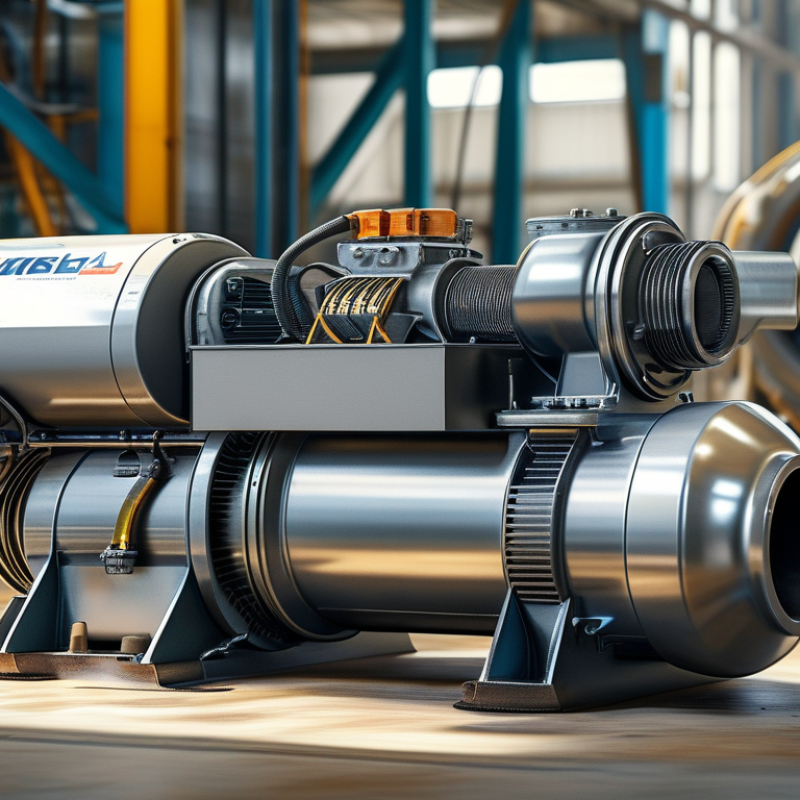
Permanent magnet screw air compressors have gained popularity in various industries due to their distinct features. These compressors are known for their energy efficiency. They often reduce energy consumption by 30% to 50% compared to traditional models. This can lead to significant cost savings for businesses. Additionally, their compact design allows for easier installation in tight spaces, a common challenge faced by many facilities.
The reliability of permanent magnet screw air compressors is noteworthy. They typically come with fewer moving parts, which means less wear and tear. This aspect translates to lower maintenance requirements and longer service life. Moreover, they operate quietly, contributing to a safer and more comfortable working environment. However, not every facility may require such advanced technology, and initial investment costs could be higher for some buyers. It’s important to evaluate the specific needs of a business before making a decision.
Another appealing feature is their advanced control systems. These systems can automatically adjust the output according to demand, enhancing performance. Real-time monitoring capabilities provide valuable data that can improve operational efficiency. Nonetheless, the reliance on digital technology may raise concerns for some traditional users who prefer simpler mechanisms. This could lead to a learning curve that might not suit every team immediately.
Permanent magnet screw air compressors are gaining traction in industrial applications due to their impressive energy efficiency. According to a report by the Compressed Air and Gas Institute, these compressors can reduce energy consumption by up to 30% compared to traditional options. This is largely due to their ability to adjust motor speeds based on demand, eliminating energy losses during low-load conditions. Such efficiency is crucial for industries where energy costs are a significant portion of operating expenses.
Another compelling aspect is their long-term operational benefits. The lifespan of permanent magnet motors can often surpass that of conventional motors, which means fewer replacements and reduced maintenance costs. For instance, the U.S. Department of Energy has highlighted that longer-lasting components lead to a decrease in overall lifecycle costs. This efficiency needs careful consideration from buyers, ensuring they weigh initial costs against future savings realistically.
While these compressors offer clear advantages, users must evaluate their specific needs. In some cases, the initial investment can be higher than for standard compressors. Companies might find themselves grappling with these upfront costs versus long-term savings. It requires insight and clear analysis to navigate this decision effectively. Understanding both the technology and the operational landscape is paramount in making the right choice.
Permanent magnet screw air compressors offer significant cost savings over time, especially in terms of maintenance and operation. These compressors are designed to be energy-efficient, often reducing energy consumption by up to 30% compared to traditional models. This efficiency translates into lower electricity bills, making it a more sustainable choice for long-term use. Regular maintenance costs are also typically lower. With fewer moving parts, these compressors require less frequent servicing.
Moreover, the reliability of permanent magnet screw compressors can lead to fewer unexpected downtimes. This aspect is crucial for businesses that rely on continuous operations. However, it’s important to acknowledge that initial investment costs can be high. Potential buyers should consider this careful balance between upfront expenses and long-term savings.
While the technology is promising, not all users may feel comfortable making the switch. Some may find the learning curve challenging, especially if they are accustomed to older systems. Adapting to newer technology can take time and adjustment. This reflection should guide buyers, weighing immediate needs against future benefits.
Permanent magnet screw air compressors have gained popularity due to their efficient design and versatility. They are widely used in various industries, offering significant advantages. One common application is in automotive manufacturing, where precise air pressure is crucial for tools and equipment. Additionally, these compressors excel in food and beverage processing, where clean and consistent air supply is essential.
The energy efficiency of permanent magnet technology stands out. It significantly reduces energy consumption compared to traditional compressors. Factories utilizing this technology often see lower utility bills. However, the initial investment can be daunting for some businesses. It's important to weigh the long-term savings against upfront costs.
In pharmaceuticals, the need for reliability is paramount. Permanent magnet screw air compressors meet these needs with minimal maintenance. Despite their benefits, users must consider that not all facilities can accommodate this technology. Each application requires careful assessment. Optimally integrating such systems involves learning and occasionally recalibrating processes.
Permanent magnet screw air compressors present several advantages over traditional air compressors. One of the key benefits is energy efficiency. According to industry reports, permanent magnet technology can reduce energy consumption by up to 25%. This efficiency translates to lower operating costs, a crucial factor for many buyers. In contrast, traditional compressors rely more on power-hungry induction motors, leading to higher energy expenses over time.
Another significant difference is reliability. Permanent magnet compressors often feature fewer moving parts, resulting in enhanced durability. Some studies suggest these compressors can provide a lifespan of more than 15 years with proper maintenance, compared to the typical 7-10 years for traditional units. However, not all aspects are perfect. Initial costs for permanent magnet systems can be higher, leading some buyers to hesitate. This upfront investment may raise concerns about return on investment, especially for small businesses.
Despite the drawbacks, many buyers find that operational savings outweigh initial costs. The compact design of permanent magnet compressors also allows for easier installation in tight spaces. While traditional air compressors are often larger and noisier, permanent magnet systems offer quieter, more efficient performance. This makes them suitable for environments where noise levels need to be minimized. Overall, assessing these differences can help buyers make informed decisions tailored to their specific needs.