Industrial Pump Repair Canada - Pump and Seal Repair and Replacement Services
ISO 9001 Certified

Industrial Pump Repair Canada - Pump and Seal Repair and Replacement Services
ISO 9001 Certified
Choosing the right Waterproof Connectors is rarely a simple matter of finding the highest IP rating. A connector may survive rain but fail under vibration, salt spray, heat, or repeated maintenance. The real decision begins with the working environment, not the product label. Outdoor lighting, marine equipment, agricultural machinery, and industrial sensors all create different demands. Small details matter. A loose cable gland can invite moisture within hours.
Reliable selection requires practical testing and careful specification. Check the required IP rating, operating voltage, current capacity, contact material, locking method, and temperature range. Also examine cable diameter compatibility. A strong housing cannot compensate for a poorly sealed cable entry. Look for documented test results, traceable materials, and clear installation instructions from an established manufacturer. Certifications are useful, but they do not replace application testing. A connector rated for temporary immersion may still perform poorly after months of vibration.
The best choice also considers service life and human error. Can technicians connect it while wearing gloves? Will the latch remain secure after hundreds of mating cycles? Is replacement available years later? These questions are easy to overlook. Sometimes, the most expensive connector is not the most reliable option. Sometimes, a cheaper model fails because its seal was compressed incorrectly. That is an uncomfortable lesson. Careful inspection, sample testing, and honest review of field conditions can prevent costly failures. This guide presents seven practical tips for choosing Waterproof Connectors with greater confidence, while recognizing that every installation deserves its own technical judgment.
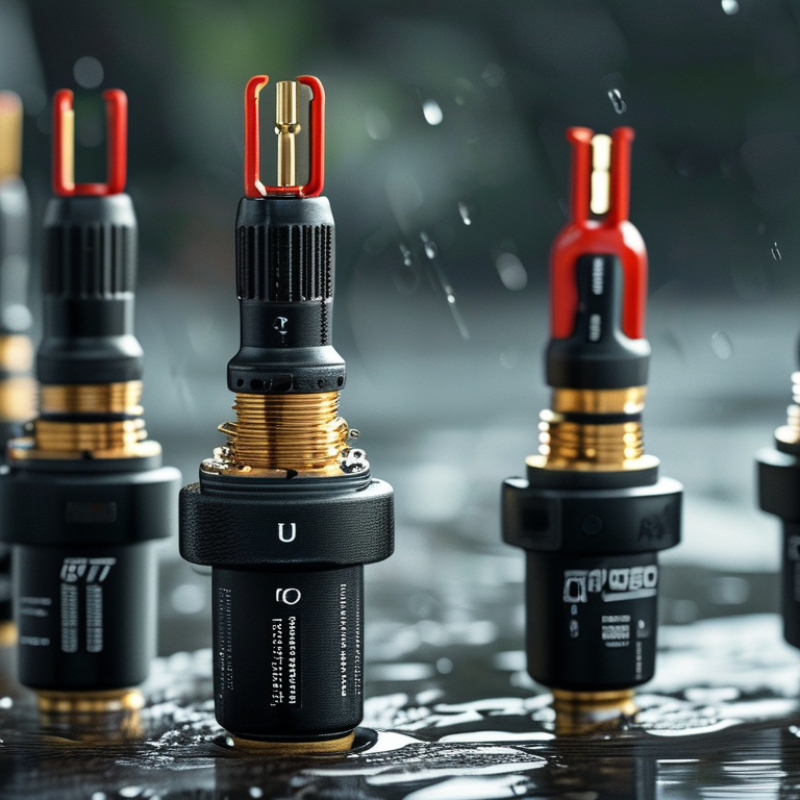
7 Tips for Choosing Waterproof Connectors
Identify the Application and Environmental Requirements
Choosing a waterproof connector starts with its actual working environment, not its appearance. A connector inside a dry control cabinet needs different protection than one exposed to rain, dust, or road spray. Define the installation location carefully. Outdoor equipment may face sunlight, freezing temperatures, salt mist, vibration, and sudden pressure changes.
List every stress.
Check the required ingress protection rating, operating temperature, voltage, current, and mating cycles. Also examine the cable jacket and sealing materials. Some plastics become brittle in cold weather, while certain rubbers swell after contact with oils or cleaning chemicals. An IP rating describes tested water and dust resistance, but it does not guarantee performance after poor assembly.
Small details matter.
During field inspections, technicians often find water entering through an oversized cable seal or an unevenly tightened locking ring. Select a connector that matches the cable diameter closely. Confirm whether the seal survives bending, vibration, and repeated maintenance. For marine or industrial locations, review corrosion resistance and salt-spray test data instead of trusting marketing language.
A visual check is not enough. I once treated a sheltered mounting point as dry, but wind-driven rain reached it regularly. That assumption changed the connector choice. Environmental conditions can also change after installation, especially when equipment moves outdoors or cleaning methods change. Document the worst realistic exposure before comparing connector designs.
The chart compares common IP ratings defined by IEC 60529. The first digit indicates protection against solid particles and dust, while the second digit indicates protection against water. Select a connector rating that matches the actual exposure to dust, rain, splashing, temporary immersion, or other site conditions.
When choosing a waterproof connector, match the protection rating to the actual environment, not a marketing label. The IP code, defined by IEC 60529, uses two digits. The first addresses solid particles. The second addresses water. An IP67 connector resists dust and temporary immersion, usually up to one metre under specified test conditions. It is not automatically suitable for permanent underwater service. That distinction matters.
Think about the installation site. A connector beside a garden pump may face splashes, mud, vibration, and repeated temperature changes. A higher water rating can help, but sealing depends on cable diameter, gasket condition, and correct assembly. I have seen a supposedly waterproof joint fail because the cable was sharply bent near the seal. Small details decide performance. Check whether the rating applies when mated. Some connectors lose protection when unplugged, while others need a protective cap. IP65 may handle water jets, yet it does not promise immersion. IP68 can indicate continuous immersion, but the manufacturer must state depth and duration. Ratings are not universal promises.
Before purchasing, read the test conditions and installation instructions. Inspect seals for cuts, dust, or flattening. Test one assembled sample in the real enclosure when possible. My own mistake was trusting a high rating without checking connector orientation. Water collected above the joint. A rating guides selection, but practical installation proves whether the protection is adequate.
Material selection should begin with the environment, not the connector’s appearance. For outdoor equipment, UV-resistant polymers help prevent brittleness and cracking. In coastal areas, use corrosion-resistant contacts and seals. Salt is aggressive. A clean enclosure can still hide internal corrosion.
IEC 60529 classifies IPX7 protection for immersion up to 1 meter for 30 minutes. IPX8 requires conditions agreed between the manufacturer and user. These ratings measure water ingress, not chemical resistance or long-term aging. A 2024 technical report from the International Electrotechnical Commission stresses that IP tests represent specific conditions, rather than every field exposure. That distinction matters near washdown stations, where hot water, detergents, and pressure can exceed laboratory assumptions.
For chemical plants, select materials after checking the exact fluid, concentration, temperature, and exposure time. Fluoropolymer or specialty elastomer seals may outperform standard rubber in harsh service. Copper alloys with suitable plating can improve contact stability, but plating damage remains a risk during repeated mating. The U.S. Department of Energy’s 2023 Operations and Maintenance report links preventive inspection with reduced equipment failures, supporting regular checks for swelling, discoloration, and seal deformation.
I have seen connectors fail despite excellent IP ratings. The cable bend was the real problem. Installation details deserve equal attention. Test the assembled system under vibration, temperature cycling, and realistic cleaning procedures before approving the design.
Tip 1: Check the electrical specifications before examining the housing. Confirm the rated voltage, current, insulation resistance, and contact resistance. A connector may look rugged but still overheat under continuous load. Compare the rating with your real operating conditions, not only the equipment label. Leave a safety margin. This is often overlooked.
Ask whether the connector handles direct current, alternating current, or signal transmission. Check the wire gauge and termination method as well. Poor crimping can create heat and intermittent faults. In field installations, I have found that moisture was not the original problem; an undersized contact was.
Tip 2: Review the mechanical requirements carefully. Look for mating cycles, locking strength, vibration resistance, and cable-bending limits. A waterproof seal cannot compensate for a loose latch. Test the connector while cables are moving, twisting, or pulling. Static testing is not enough. Consider temperature changes too, because plastic and seals may expand differently.
Tip 3: Match the connector’s size to the available space. Measure the panel opening, rear clearance, cable diameter, and bend radius. Check the plug and socket orientation before installation. A few extra millimeters can prevent access to nearby terminals. Smaller is not always better. Compact parts may be harder to assemble and inspect.
Confirm the protection rating under the intended installation conditions. Dust, spray, immersion, and pressure require different testing assumptions. Installation quality matters. Even a reliable connector can leak when seals are pinched, missing, or reused carelessly. I would document each measurement, then review it again before ordering. Mistakes are cheaper on paper.
Choosing waterproof connectors requires more than reading an IP rating. Review the installation environment first: vibration, salt, chemicals, temperature, and cable movement can defeat a sealed housing. IEC 60529 defines IP67 as protection during immersion at one metre for up to 30 minutes. IP68 requires the manufacturer to state deeper or longer conditions. Check the actual test requirement. Do not assume a higher number solves every problem. Match wire size, contact plating, sealing grommet, and mating force. Keep cable bends gentle. A sharply bent cable can pull water toward the seal.
Maintenance protects long-term reliability. Inspect connectors for cracked seals, loose latches, corrosion, and trapped water during every scheduled service. Clean mating surfaces with approved materials, then dry them fully. Do not pierce seals with probes. The 2024 Global Connector Market report from Bishop & Associates identifies automotive, industrial, and communications equipment as major connector applications, where vibration and service access strongly affect performance. ISO 9227 salt-spray testing can compare corrosion resistance, but it does not predict field life. That distinction matters. Replace damaged seals immediately, record inspection dates, and apply only compatible lubricants. Some installations still fail because technicians over-tighten assemblies. That mistake is easy to miss. For critical equipment, add strain relief and perform a practical water-ingress check after installation. Recheck it after the first temperature cycle.