Industrial Pump Repair Canada - Pump and Seal Repair and Replacement Services
ISO 9001 Certified

Industrial Pump Repair Canada - Pump and Seal Repair and Replacement Services
ISO 9001 Certified
Choosing the right Arc Furnace Shell in 2026 requires more than comparing steel thickness or supplier prices. The shell must match furnace capacity, operating temperature, charging method, and production rhythm. A reliable decision begins with real operating data, not assumptions.
Look closely at shell material, cooling arrangements, structural reinforcement, and access points. These details affect safety, maintenance time, and campaign life. For example, a shell exposed to frequent scrap impacts needs stronger protection around the charging zone. Water-cooled panels may reduce heat stress, but they also require dependable monitoring and maintenance. Small details matter.
Experienced furnace operators should review shell performance under actual working conditions. Check previous inspection records, refractory wear patterns, shell deformation, and unplanned repair frequency. Ask manufacturers for material certificates, dimensional tolerances, testing procedures, and documented references from comparable furnaces. A polished brochure is not enough. Supplier support after installation also deserves careful attention.
This guide explains how to compare Arc Furnace Shell options for modern steelmaking environments. It considers thermal loads, mechanical stress, cooling design, service access, lifecycle cost, and compatibility with existing equipment. Standards and engineering requirements may vary by region, so qualified engineers should verify the final design. The cheapest shell may become the most expensive choice after repeated downtime. That conclusion is not always obvious at the purchasing stage. Even experienced teams can overlook changing scrap quality, automation upgrades, or future capacity plans. A practical choice leaves room for inspection, repair, and improvement.
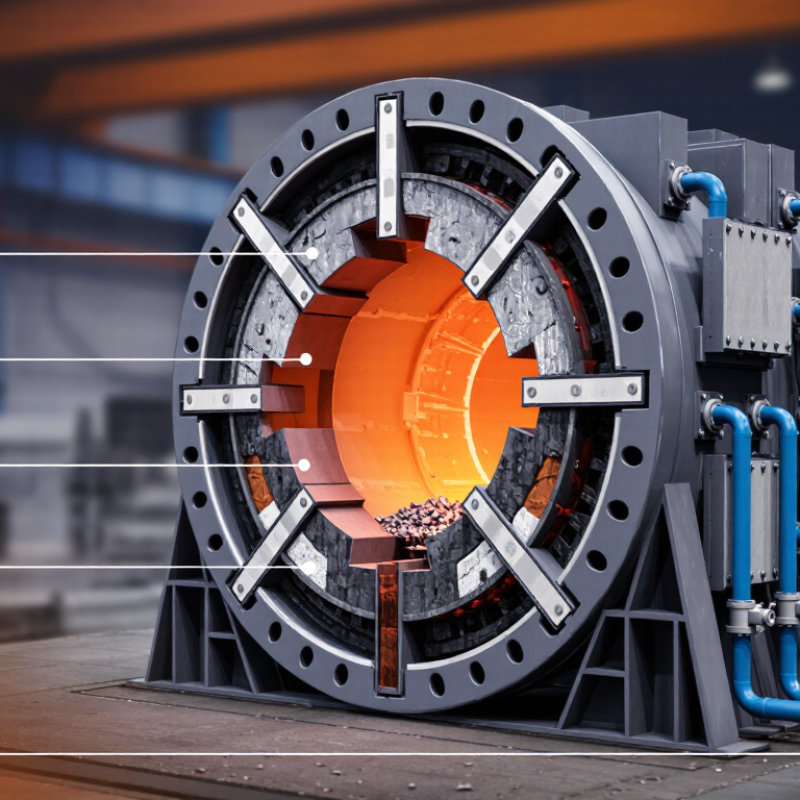
An arc furnace shell is more than a steel container. It supports the roof, electrodes, refractory lining, cooling system, and tilting structure. During operation, it faces intense arc radiation, scrap impact, vibration, and repeated thermal cycling. The shell must protect the furnace body while maintaining accurate alignment between electrodes and the molten bath.
Define the operating conditions before comparing shell designs. Record furnace capacity, scrap density, charging method, tap-to-tap time, transformer power, and expected tapping temperature. A high-throughput furnace may require stronger reinforcement and improved water cooling. Heavy scrap can damage the lower shell and sidewall areas.
Small details matter here. They often decide maintenance costs.
Inspect the shell’s plate thickness, weld quality, stiffener layout, cooling circuits, and access points. Check whether technicians can reach inspection zones without unnecessary shutdowns. Temperature monitoring and leak detection should be practical, not merely listed in a specification. A shell that looks robust may still suffer distortion if cooling flow is uneven. This is easy to underestimate. No design is flawless, and operating data should refine the original selection. Poor alignment, difficult repairs, or frequent hot spots reveal that the shell was chosen without fully defining its role.
Choosing an arc furnace shell starts with its duty cycle, not a catalog thickness. The World Steel Association reported 1,888 million tonnes of crude steel in 2023. EAF production represented roughly 29% worldwide. That scale matters. Shells face charging shocks, radiant heat, vibration, and tilting loads. Carbon-manganese structural plate is common, but material selection must consider weldability, temperature strength, and fatigue exposure. A stronger grade is not automatically a better shell.
Thickness should come from actual load cases, thermal gradients, buckling checks, and corrosion allowance. Using 25 millimeters because a neighboring furnace uses it is weak engineering. A practical review examines shell ovality, weld concentration, trunnion loads, and openings around water-cooled panels. Designers should model the lower shell carefully, where refractory support and heat transfer often create uneven stresses. Not enough attention goes there.
Structural design also needs ring stiffeners, reinforced lifting points, stable tilting geometry, and accessible inspection zones. The IEA Iron and Steel Technology Roadmap estimates steelmaking produces about 2.6 gigatonnes of CO2 annually, or nearly 7% of global energy-system emissions. More EAF capacity will increase pressure for reliable, efficient equipment. In practice, I would challenge my own first drawing after reviewing temperature records and maintenance photographs. A static model may pass while fatigue damage grows around a small nozzle. Check this twice. Data, fabrication quality, and operating discipline must agree.
Choosing an arc furnace shell begins with production data, not a catalog dimension. The shell must suit the planned heat size, charge density, melting time, and tapping rhythm. A shell that is too small may restrict scrap movement and increase bridging risks. A shell that is too large can waste energy and extend heating cycles. Bigger is not better.
For example, an 80-ton furnace may need sufficient internal diameter for compacted scrap, safe electrode travel, and consistent bath coverage. Shell height also matters. It influences freeboard, slag volume, refractory thickness, and fume movement. Experienced engineers compare these dimensions with transformer power, electrode spacing, cooling capacity, and expected tap-to-tap time. The design should also allow practical access for relining and inspection.
Production goals can change the correct shell choice. High-throughput operations may favor a wider shell for faster charging and smoother scrap collapse. Plants using varied charge materials may need extra working volume and stronger structural support. Measure twice. I have seen projects focus on nominal tonnage while overlooking actual scrap density. That shortcut can create uneven melting and unnecessary downtime. A reliable selection process uses operating records, thermal calculations, maintenance feedback, and realistic future capacity plans. Not every assumption will be perfect. Review it before fabrication.
2026 How to Choose the Right Arc Furnace Shell?
An arc furnace shell must manage intense heat, vibration, and repeated charging impacts. Cooling design deserves close comparison. Water-cooled panels reduce refractory demand, but they require reliable flow monitoring and leak detection. A refractory-lined shell tolerates some mechanical abuse, yet it needs regular thickness checks and more frequent hot repairs. In practice, the better choice depends on production rhythm, cooling-water quality, and available maintenance skills. Paper specifications can miss these details.
Maintenance access often separates a workable shell from a troublesome one. Inspectors should reach panels, piping, electrodes, and shell joints without entering unsafe areas. Look for removable covers, clear inspection points, and drainage paths that prevent standing water. Track shell temperature trends, not only sudden alarms. Small changes may reveal lining wear or a blocked circuit. Maintenance records should include repair dates, leak locations, and operating conditions. Keep them simple.
Safety features must work under stress. Confirm independent temperature, pressure, and flow alarms. Emergency shutdowns should remain accessible and tested under documented procedures. Electrical grounding, interlocks, and protective barriers need verification by qualified personnel. A shell with many sensors is not automatically safer. Poor calibration creates false confidence. One overlooked weakness is operator visibility around charging and tapping zones. Reviewers should question the design, even when the drawings appear complete. Safety assumptions sometimes age badly.
Compare Cooling, Maintenance, and Safety Features
The chart uses a 1–5 comparative engineering score based on commonly used arc-furnace shell selection criteria. Water-cooled shells typically provide the strongest heat removal, refractory-lined shells can simplify routine maintenance, and hybrid designs can balance cooling performance with operational safety and service access. Actual performance depends on furnace size, duty cycle, cooling-system design, inspection practice, and local safety requirements.
Choosing the right arc furnace shell starts with the supplier, not the lowest quotation. Review fabrication experience, welding qualifications, inspection records, and references from comparable furnace capacities. Ask how the supplier controls shell roundness, plate thickness, cooling channels, and distortion after welding. These details affect electrode alignment and refractory life.
Cost evaluation must include more than purchase price. Compare steel grade, machining, transport, installation support, spare parts, and expected maintenance. A cheaper shell may require earlier patch welding or frequent water-system repairs. Request a clear cost breakdown. Hidden exclusions matter. Check delivery milestones, payment terms, warranty limits, and response times for technical problems.
Standards should be verified for the operating region and furnace design. Confirm material certificates, weld procedure qualifications, non-destructive testing, pressure testing, and documented dimensional checks. ISO-based quality systems can support consistency, but certification alone proves little. Inspectors should review actual records. Long-term reliability depends on thermal cycling, vibration, dust, and operator practice. Ask for fatigue assumptions and cooling-system performance data. In one assessment, the supplier had strong documents but weak field support; that gap changed the decision. I would still challenge every forecasted service life, because furnace conditions vary more than sales estimates suggest. Supplier transparency, measurable evidence, and maintainable design usually outweigh polished presentations.